A new free trade agreement between the European Union and the Philippines is set to remove tariffs on more than 94% of goods, giving the export-dependent Southeast Asian economy a potential lift just as households are only cautiously optimistic about the next 12 months.
EU-Philippines trade deal lowers tariffs on 94% of goods
That matters because trade access is one of the clearest ways Manila can support growth without relying solely on domestic demand. The Philippines has been looking to broaden its export base, attract more foreign investment and ease pressure on jobs and incomes. A lower-tariff channel into one of the world’s largest consumer markets could help manufacturers, agribusinesses and services firms, while also sharpening the country’s competitiveness against regional peers already benefiting from similar trade ties.
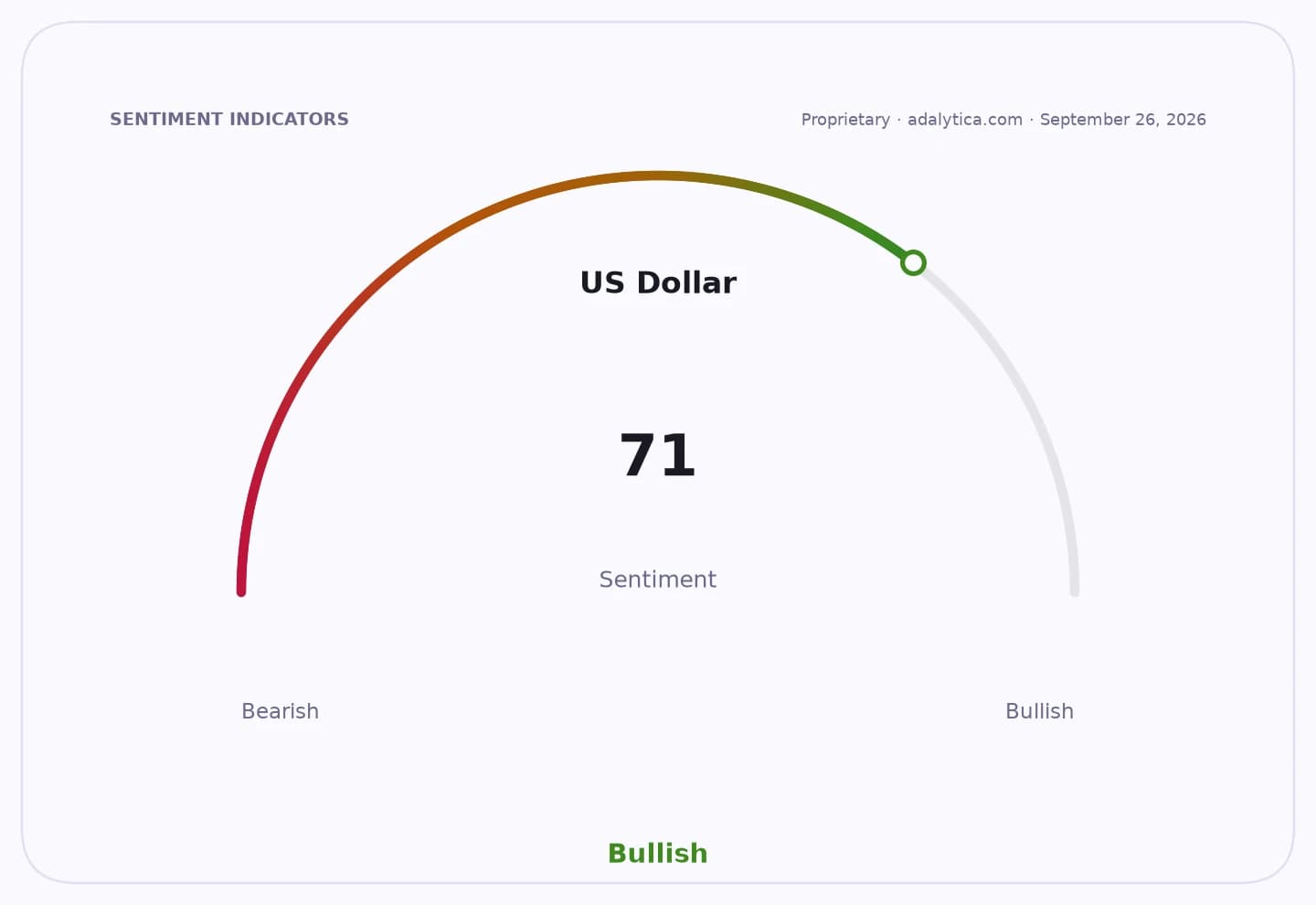
Sentiment IndicatorsⓘProprietary · adalytica.com · September 26, 2026
This is a snapshot — live sentiment, awareness and momentum for 130+ markets update continuously in the dashboard.Open AlphaPulse
The deal arrives against a backdrop of mixed economic sentiment. In a recent SWS reading, 33% of Filipinos said they expect the economy to improve over the next year — a sign that optimism exists, but is far from broad-based. That kind of reading usually reflects a public still weighing inflation, employment prospects and borrowing costs, even as policymakers try to keep growth on track.
For investors, the agreement is significant less as a single-event boost than as a structural signal. Trade liberalization can improve earnings visibility for exporters, logistics firms and industrial names with European exposure, while also supporting the peso if it helps generate more foreign currency inflows over time. It may also make the Philippines a more attractive production base for companies seeking to diversify supply chains away from China and other higher-risk manufacturing hubs.
The bull case is straightforward: lower tariffs, better market access and a stronger policy story could encourage capital spending and export growth. The bear case is that implementation takes time, the benefits are unevenly distributed and domestic demand still has to do much of the heavy lifting. If global growth weakens or inflation stays sticky, the trade gains alone may not be enough to materially change the near-term outlook.
The next test is ratification and execution. If the agreement moves smoothly into force, it could become one of the most concrete external supports for Philippine growth in the coming year, and a useful offset to still-cautious consumer confidence.
| Entity | Gains | Losses |
|---|---|---|
| Philippines exporters | ▲Better EU market access | ▼Higher competition at home |
| EU exporters | ▲Lower barriers in Philippines | ▼Margin pressure from tariff cuts |
| Philippine consumers | ▲More import choices | ▼Domestic producers facing rivals |
| Philippine government | ▲Growth and investment boost | ▼Must deliver implementation |