The Philippines’ inflation rate eased for a fourth straight month in August to 6.1%, but the slowdown still leaves one of Asia’s most stubborn price pressures in place and gives the central bank little room to pivot quickly.
Philippines Inflation Eases to 6.1% in August
The moderation is important because it suggests the worst of the price surge may be passing, yet at 6.1% inflation remains far above the central bank’s target range and continues to erode household purchasing power. That matters for growth because higher living costs curb discretionary spending in an economy that relies heavily on consumer demand, remittances and domestic services.
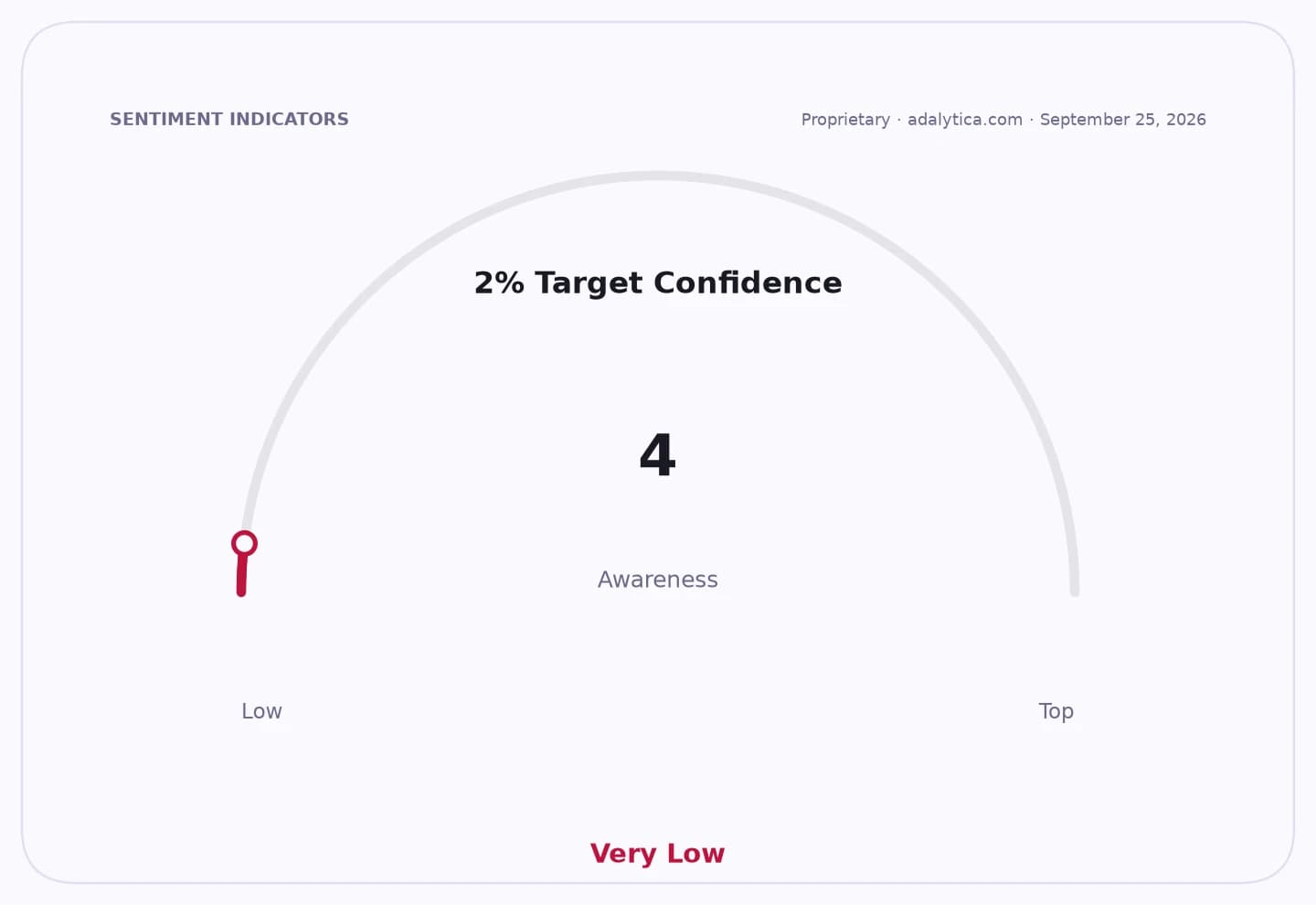
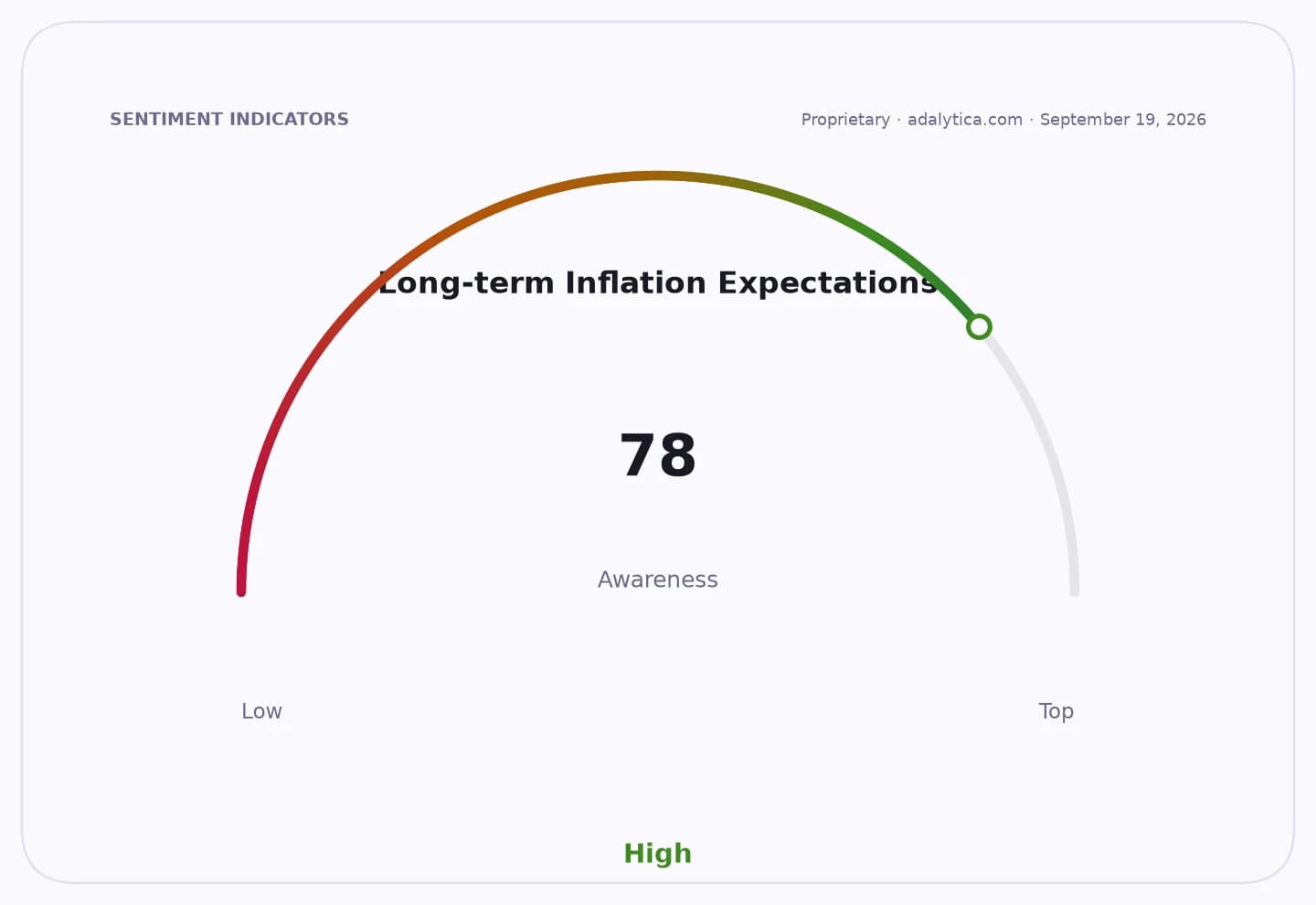
Sentiment IndicatorsⓘProprietary · adalytica.com · September 4, 2026
This is a snapshot — live sentiment, awareness and momentum for 130+ markets update continuously in the dashboard.Open AlphaPulse
The reading also comes against a backdrop of persistent risks that could keep inflation elevated for longer. Fresh Middle East tensions threaten energy costs, while extreme weather has raised the odds of renewed food-price shocks in a country where food and transport carry outsized weight in the consumer basket. A weaker peso adds another layer of pressure by making imports more expensive, even as remittance inflows stay near record levels.
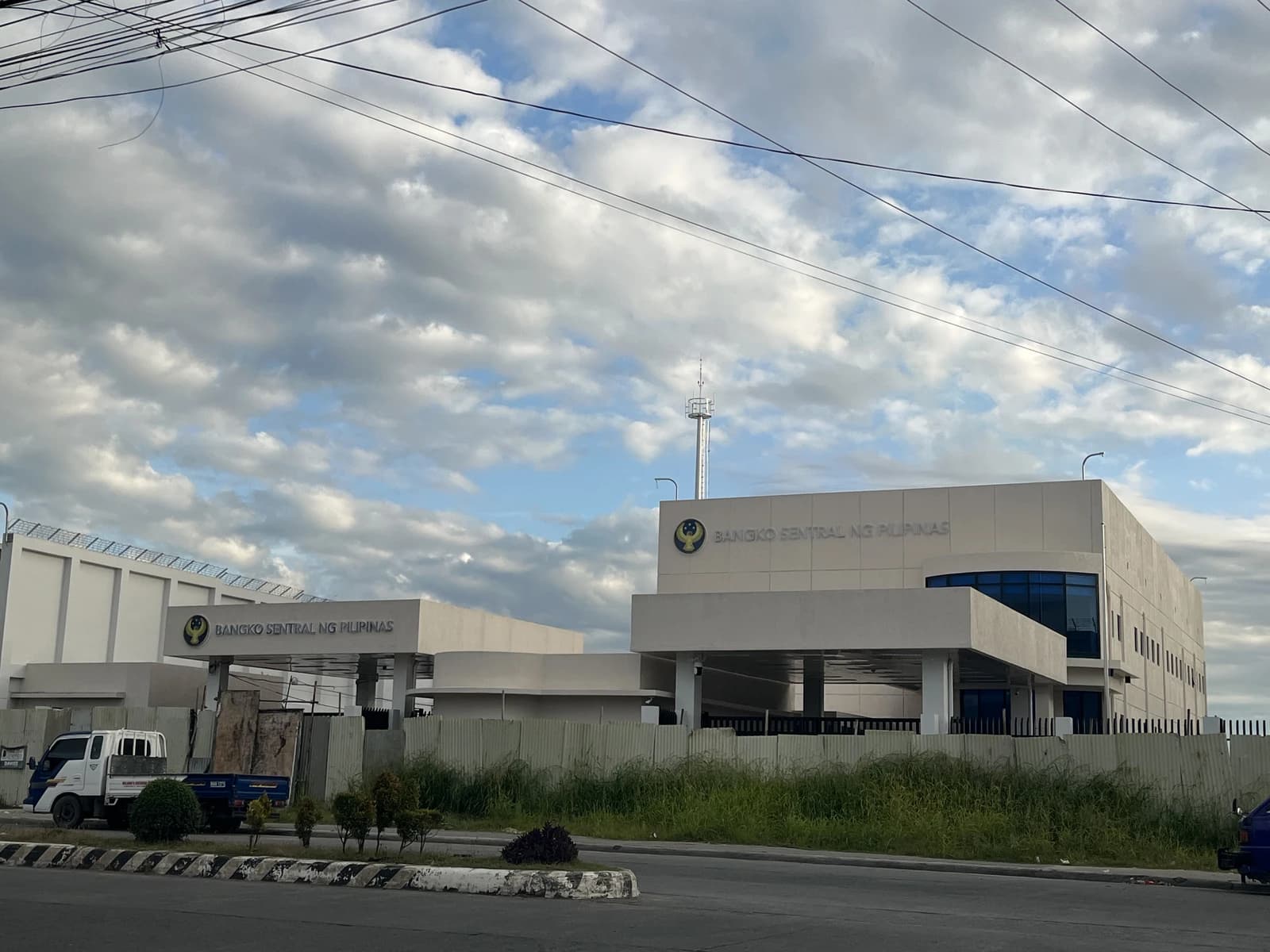
For policymakers, the report reinforces the case for caution. The central bank has to balance the need to defend growth against the risk that easing too soon could unmoor inflation expectations and intensify currency weakness. That explains why the government has already been forced to reconsider plans for a five-year jumbo bond sale, as investors demand compensation for the inflation and exchange-rate backdrop.
For markets, the key question is not whether inflation is slowing, but whether it is slowing fast enough to restore confidence in Philippine assets. A durable decline would support local bonds and the peso by improving the odds of policy stability. But if food and energy prices reaccelerate, investors may keep pricing in a longer period of tight financial conditions and weaker real returns.
The near-term narrative is one of partial relief rather than resolution: inflation is cooling, but the Philippines remains exposed to global commodity shocks, weather disruptions and currency volatility. Until those pressures fade, the economy is likely to stay on a cautious policy path and investors will treat any further disinflation as a necessary but insufficient sign of stability.
| Entity | Gains | Losses |
|---|---|---|
| Philippine consumers | ▲Slight relief from slower price gains | ▼Real incomes still squeezed |
| Bangko Sentral ng Pilipinas | ▲More room to wait | ▼Less room to cut aggressively |
| Peso bulls / bond buyers | ▲Better odds of stability | ▼Still exposed to inflation and FX risk |
| Importers / borrowers | ▲Possible easing in funding pressure | ▼Higher costs if peso weakens again |