The next real market for Taiwan risk is not the Strait itself, but the alliance network Washington can build around it.
U.S. Japan Korea Taiwan Defense Cooperation
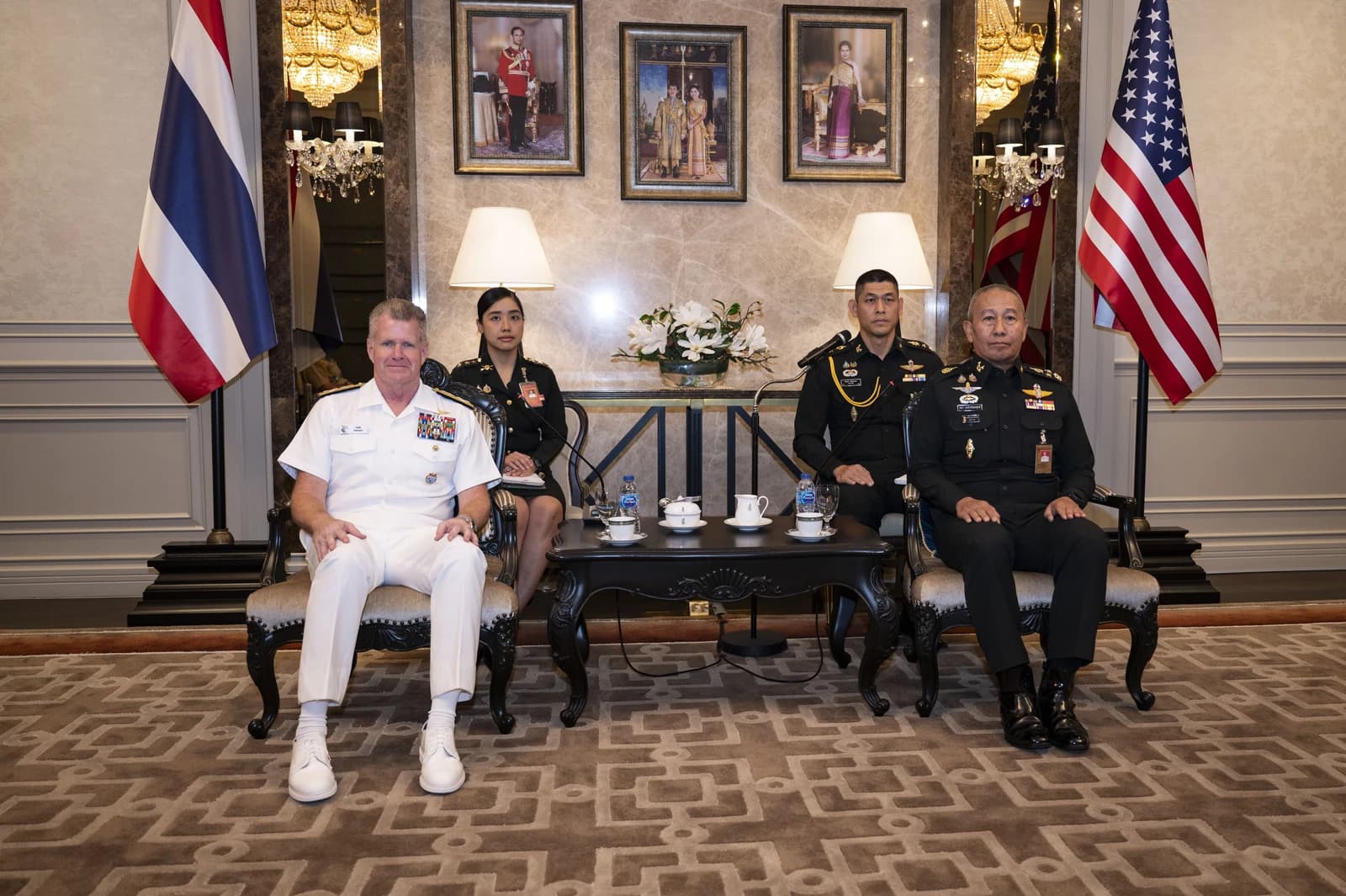
A former Trump White House official is making the case that the U.S. should lean on trilateral cooperation with South Korea and Japan to defend Taiwan, a framework that would turn Northeast Asia into a much deeper deterrence zone against Beijing’s economic coercion and military pressure. That matters because the Taiwan challenge is no longer just about missiles and patrols; it is about whether the U.S. can spread the burden across allies quickly enough to make China doubt the cost of escalation.
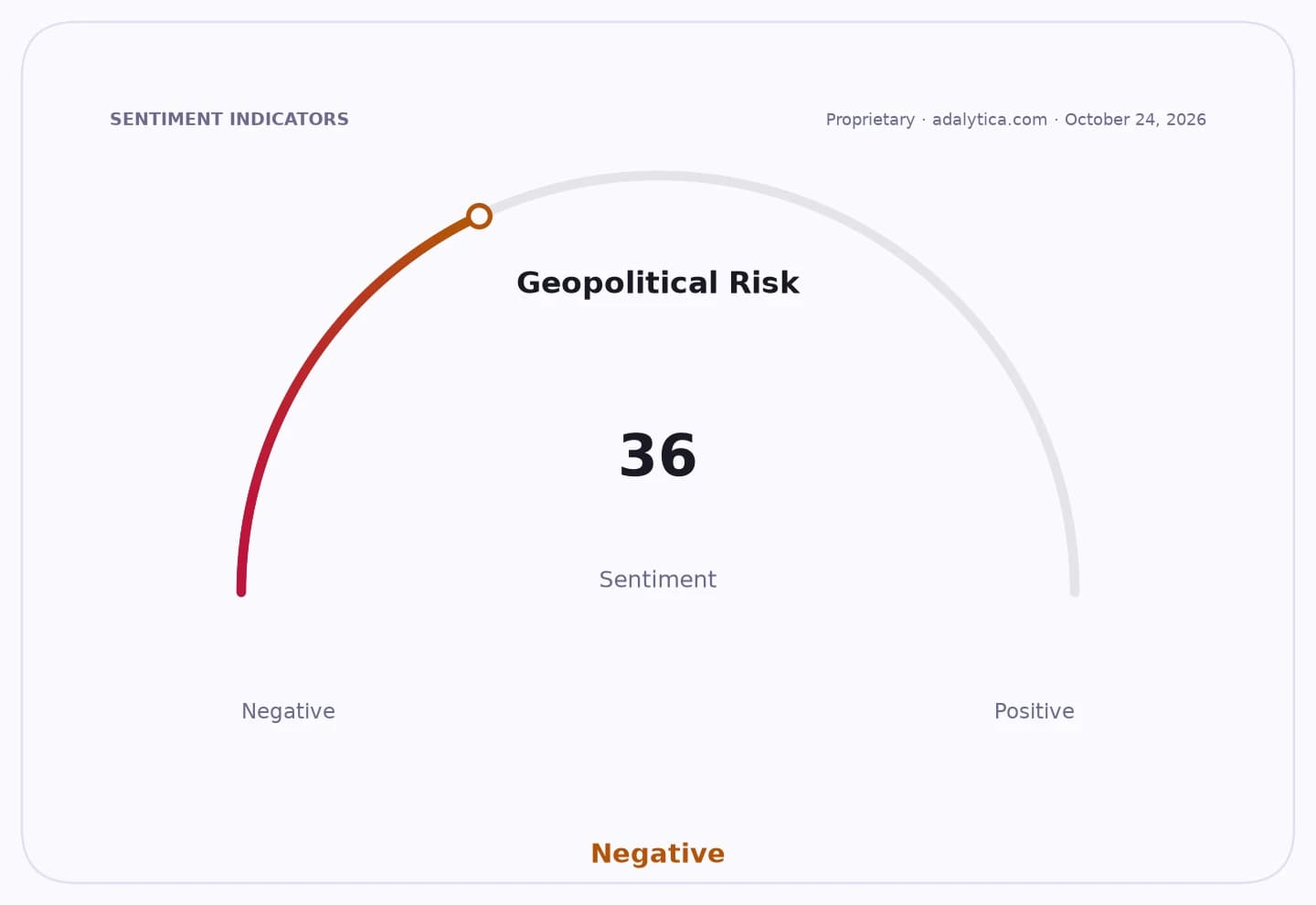
Sentiment IndicatorsⓘProprietary · adalytica.com · October 24, 2026
This is a snapshot — live sentiment, awareness and momentum for 130+ markets update continuously in the dashboard.Open AlphaPulse
Alexander Gray, who served as a top National Security Council official in the first Trump administration, said Washington should “find a way to use” a U.S.-Japan-Korea cooperation structure to defend Taiwan, arguing that a similar framework could have blunted China’s retaliation against South Korean conglomerates during the THAAD missile-defense dispute in 2017 and 2018. His point is strategically simple and economically important: if allies can coordinate on security, supply chains and economic response, Beijing’s leverage over any one target weakens.
That is exactly the kind of architecture investors should watch. The Taiwan Strait is the world’s most important geopolitical chokepoint for semiconductors, shipping and high-end manufacturing, and any credible U.S.-led effort to formalize trilateral or Quad-based coordination raises the odds of heavier defense spending, deeper regional industrial policy and more resilient supply chains. It also raises the premium on companies exposed to missile defense, surveillance, command-and-control systems and hardened logistics.
The market is already telling part of that story. The iShares MSCI South Korea ETF, EWY, has surged to $151.26 from $94.10 over the past few months, though its RSI has slipped to 18.9, a reading that points to the sharp selloff now in motion rather than any structural change in the strategic case. The iShares MSCI Japan ETF, EWJ, has also held up better than many feared, though its latest close of $94.10 remains below its 50-day moving average, showing investors are trimming exposure as geopolitical risk flares. Taiwan-focused EWT has been the most volatile of the three, dropping to $104.90 after trading above $110 in September, a reminder that the island still trades as the most direct proxy for cross-strait stress.
The bigger winner, in our view, is not the country ETFs themselves but the defense and industrial ecosystem that gets paid to make deterrence real. Lockheed Martin and Northrop Grumman have already flagged multi-year Pentagon contracts tied to PAC-3 and THAAD production, and the case for more capacity only strengthens if Washington pushes allies into a more coordinated regional shield. The THAAD episode that Gray cited is the key lesson: China’s economic retaliation can hit hard, but it is far less effective when allies absorb and share the shock.
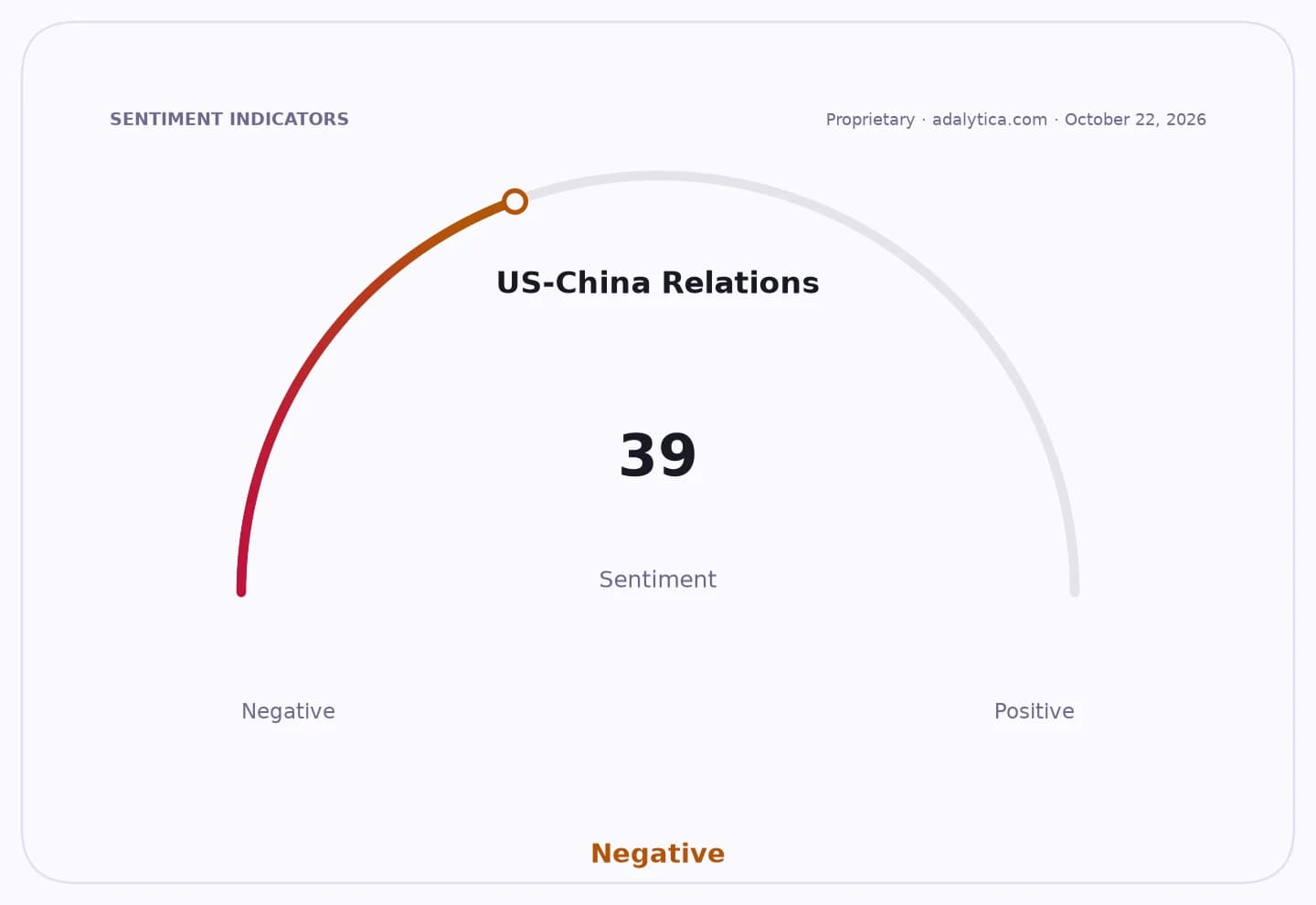
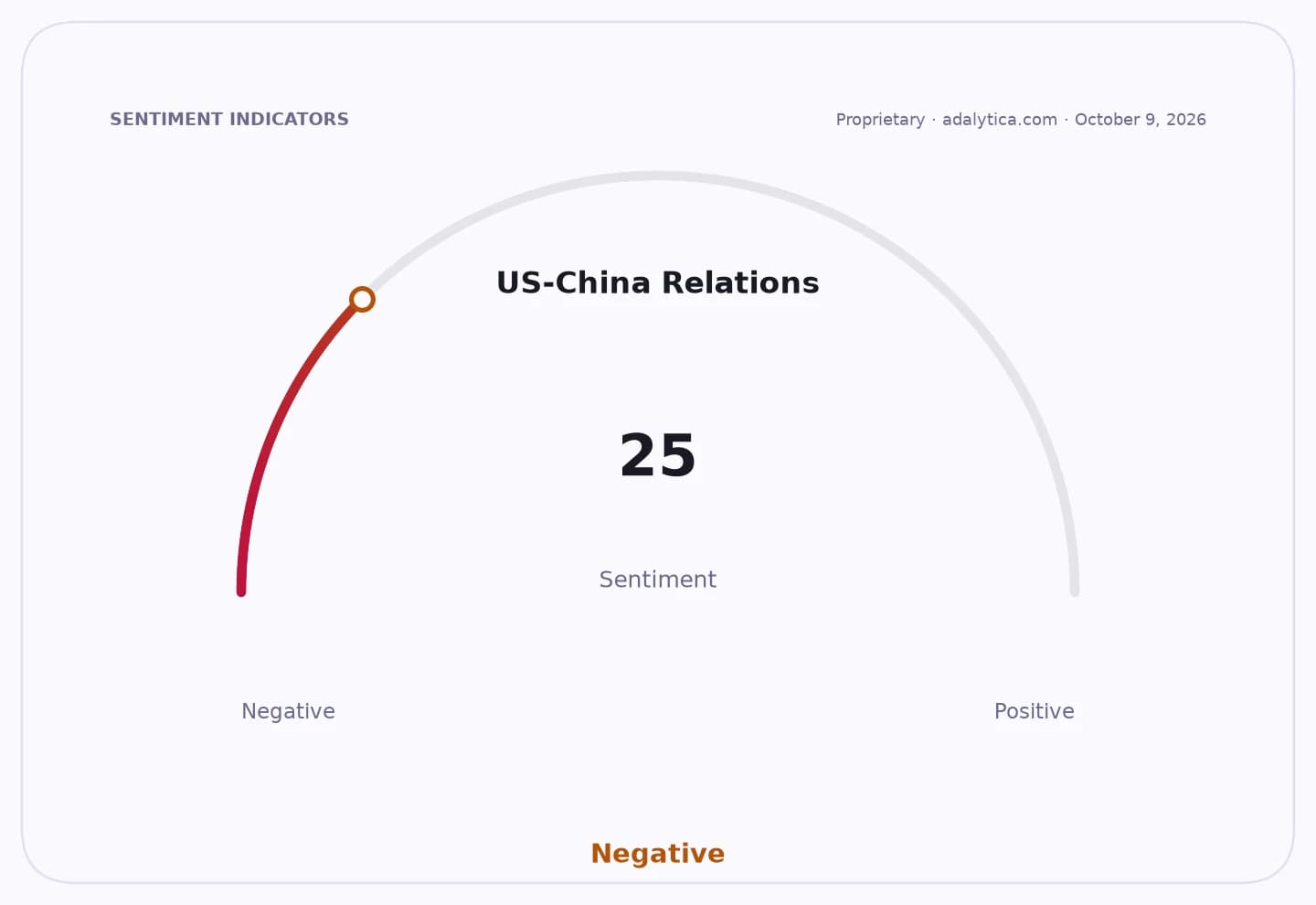
Adalytica’s Global Stability Sentiment has fallen to 36, with “Extreme Fear” in awareness, while U.S.-China relations sentiment sits at 39. That combination suggests investors are awake to the headline risk but still underpricing the possibility that deterrence policy becomes a durable capex cycle. Once defense cooperation starts to spill into supply chains, energy security and critical manufacturing, the beneficiaries expand well beyond missile makers.
The trade here is straightforward: stay overweight the picks-and-shovels of Asia-Pacific deterrence and resilient supply chains, while treating Taiwan beta as a trading vehicle, not a core long. The market may still be pricing Taiwan as an episodic risk. Washington is moving toward a more permanent alliance structure, and that is what changes the investment map.
| Entity | Gains | Losses |
|---|---|---|
| Lockheed Martin, Northrop Grumman | ▲More missile-defense orders | ▼Budget-constrained rivals |
| Japan and South Korea | ▲Deeper U.S. security ties | ▼Higher regional defense costs |
| Taiwan / EWT | ▲Stronger deterrence support | ▼Higher volatility, conflict premium |
| China | ▲None | ▼Weaker coercive leverage |