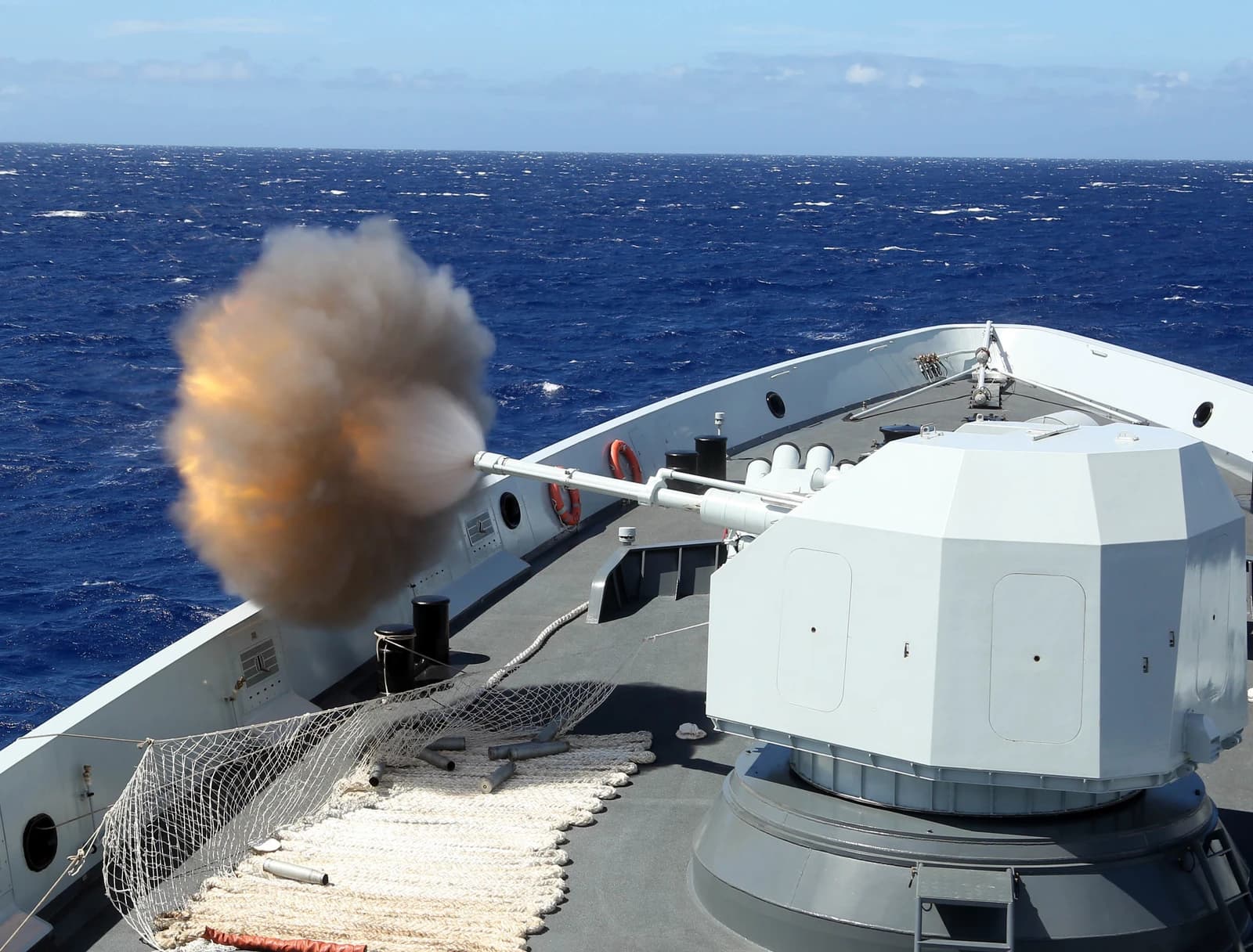
China and the United States have agreed to strengthen military communication channels, a small but economically important step that could lower the odds of an accidental confrontation over Taiwan and calm a market that still prices a meaningful geopolitical premium into Asia risk assets.
China and US agree on military communication channels
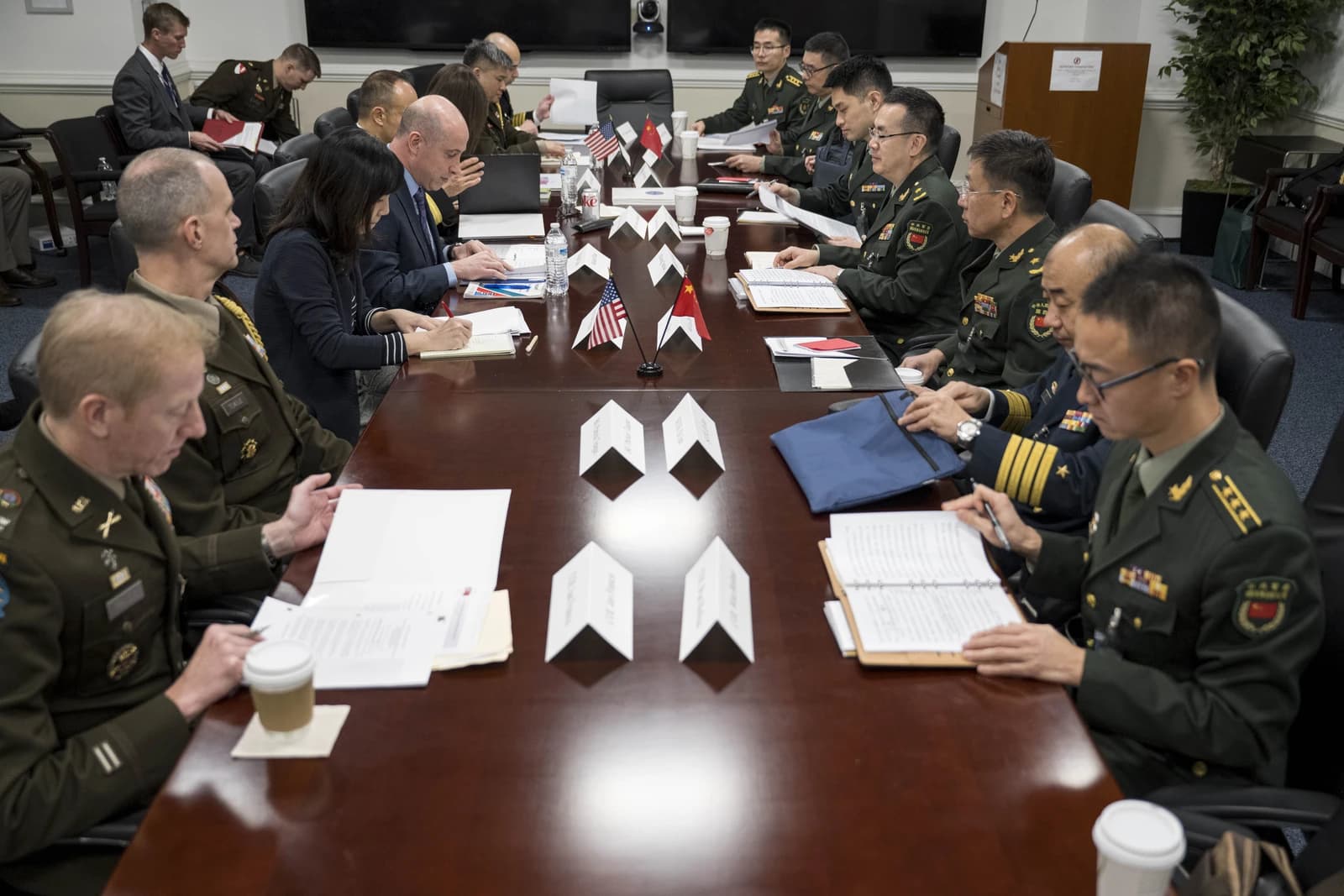
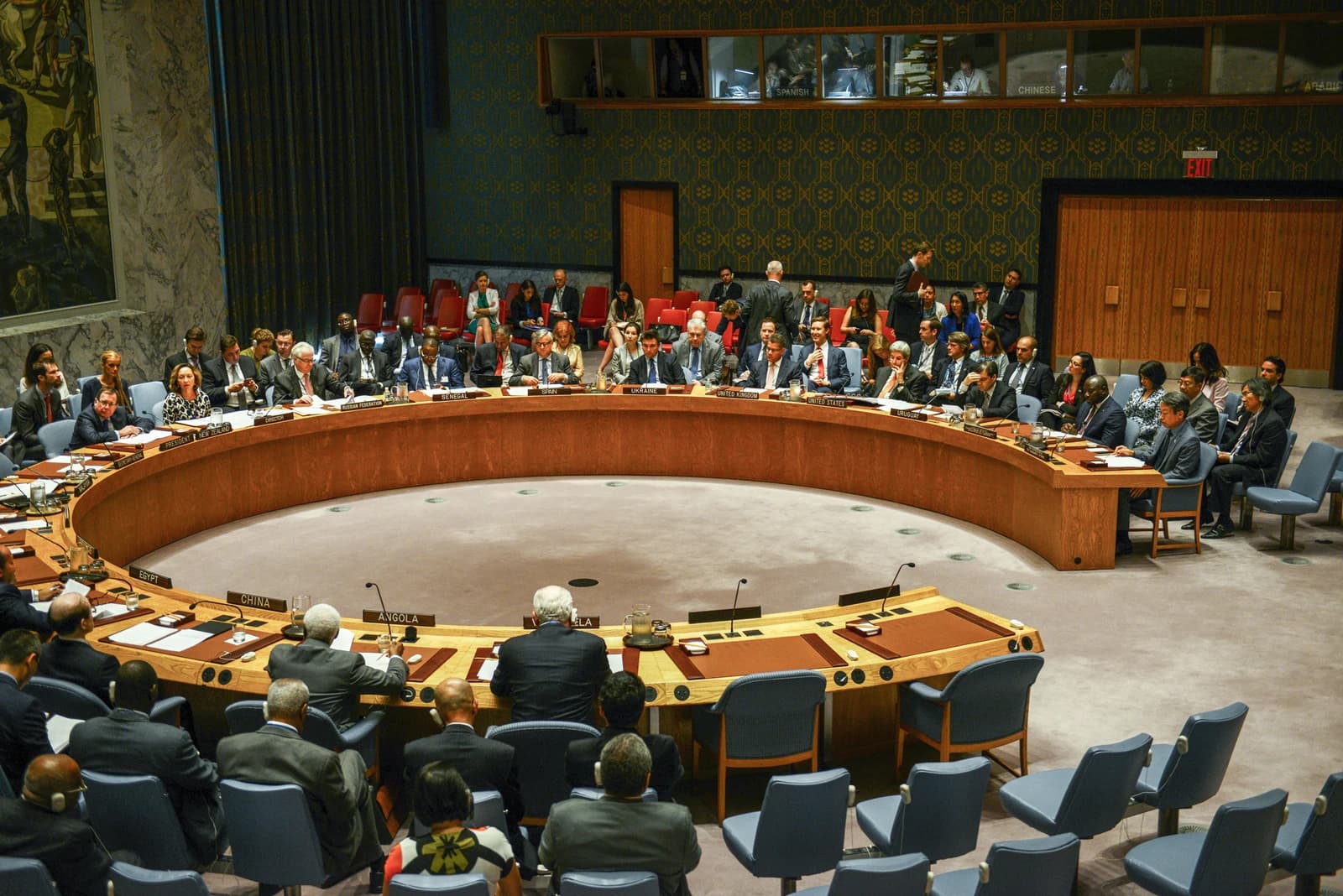
The Pentagon said military officials from both sides met in Washington and backed “practical communication measures” and additional channels for “effective” crisis management, the first session of a new working group created after an understanding reached in September between President Xi Jinping and President Donald Trump. That makes the talks more than diplomatic theater: it is an attempt to reduce the chance that a naval encounter, aircraft intercept or Taiwan-related flashpoint spirals into a broader conflict with global supply-chain consequences.
Sentiment Indicators
Geopolitical Risk
For investors, the significance is less about immediate détente than about tail-risk reduction. Taiwan sits at the center of the semiconductor stack, and any misread signal between the world’s two largest militaries would hit chips, freight, insurance, defense budgets and the yuan in a hurry. A steadier communication framework does not erase strategic rivalry, but it can dampen the probability of the kind of miscalculation that forces markets to reprice risk in one session.
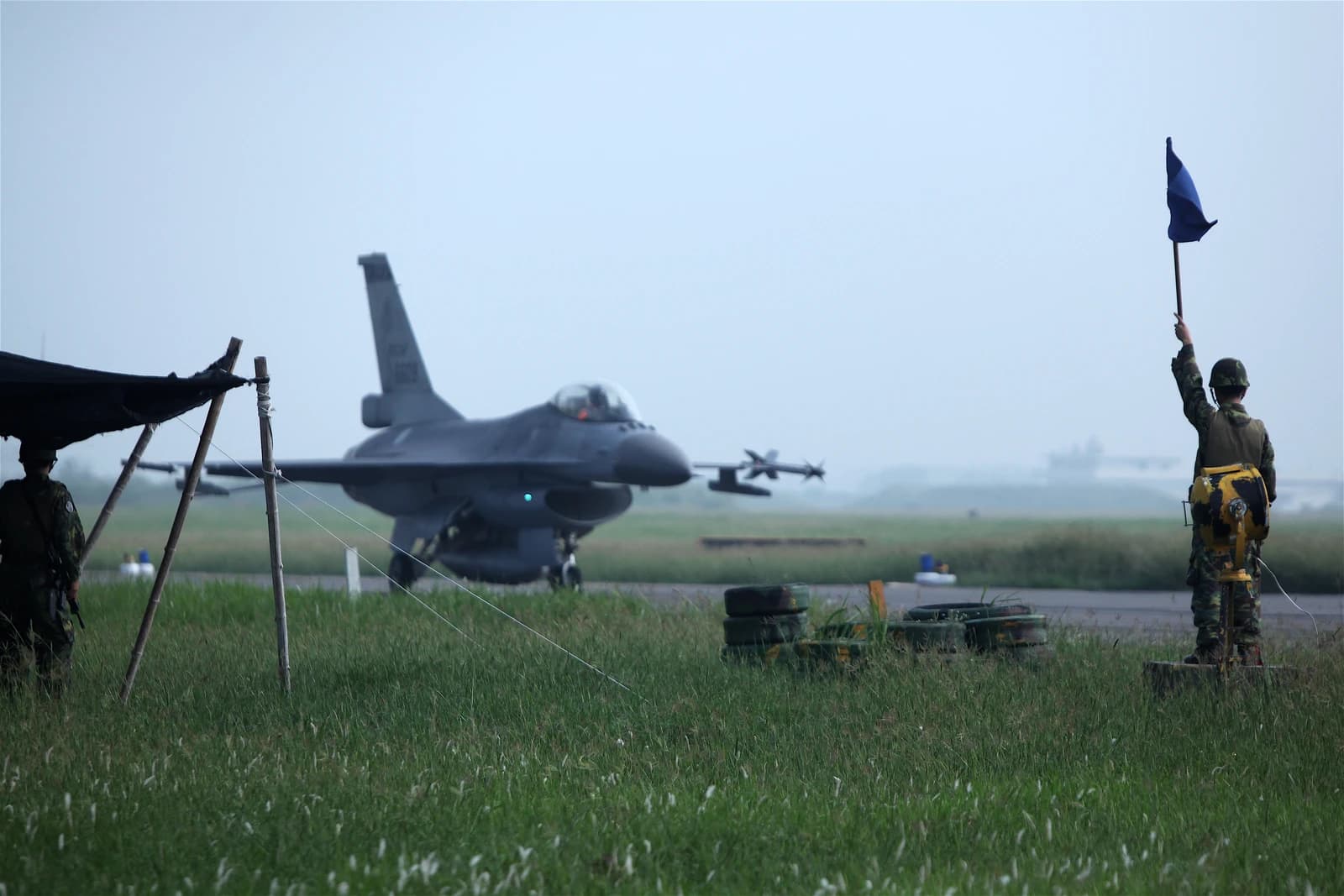
That matters especially now, because the geopolitical backdrop remains fragile. The Pentagon’s language followed months of renewed contacts, including a defense ministers’ meeting in Malaysia and a rare face-to-face encounter between commanders responsible for forces around Taiwan. But the underlying dispute is unchanged: Beijing still claims Taiwan as its own and has not ruled out force, while Washington continues to arm the island and oppose any unilateral change to its status. The priority given to crisis management tells you where the danger still lies.
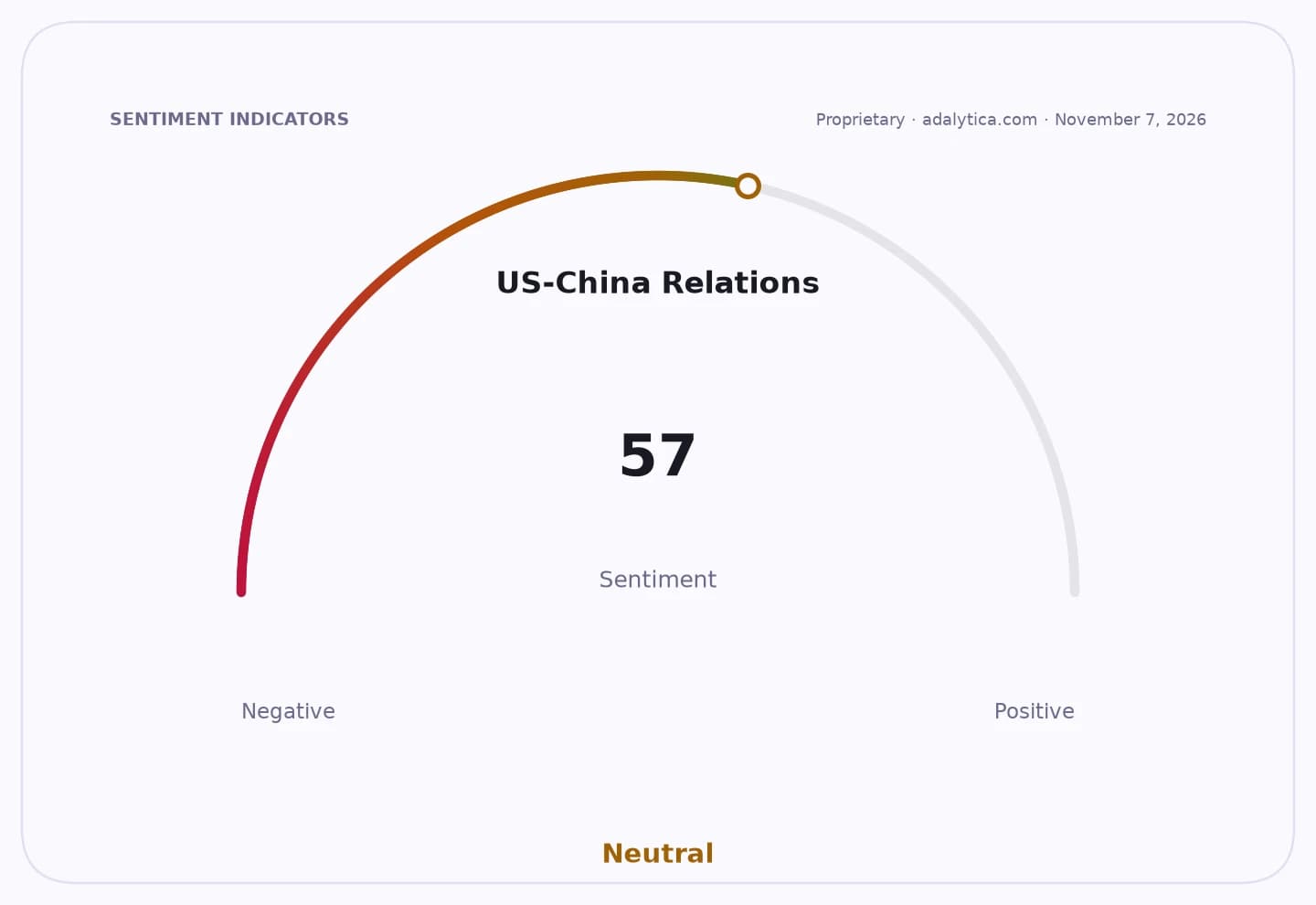
US-China Relations — 30-day sentimentadalytica.com
Explore this data interactively — full history, time series and cross-market comparisons.
The message for markets is straightforward. A mechanism for military communication is not a peace dividend, but it is a marginal positive for global stability at a time when investors are already balancing AI-driven capex, trade frictions and a wider geopolitical premium. That helps explain why broad risk appetite can improve even when the strategic contest itself is unresolved.
The better trade is to recognize what this does and does not change. It lowers the odds of a sudden shock, which is constructive for semiconductors, industrials, shipping and Asia-exposed multinationals. It does not reduce the long-term need for defense spending, resilient supply chains or onshoring of critical technology. In other words, de-escalation at the margins can support equities, while the structural rivalry still feeds a multi-year boom in defense, cyber, satellite and domestic manufacturing capacity.
Investors should treat the development as a volatility suppressant, not a thesis killer. The market underestimates how much value sits in avoiding the wrong headline at the wrong time, and that makes clearer military communication between Washington and Beijing an incremental positive for risk assets even as the strategic competition continues.
| Entity | Gains | Losses |
|---|---|---|
| Global equities | ▲Lower tail risk | ▼Less fear premium |
| Taiwan-linked chipmakers | ▲Fewer disruption fears | ▼Less crisis trading upside |
| Defense contractors | ▲Strategic rivalry remains | ▼Immediate escalation premium eases |
| Shipping and Asia exporters | ▲Smoother trade outlook | ▼Fewer safe-haven flows |