Donald Trump’s midterm drubbing may buy Beijing some breathing room in trade talks, but the bigger market message is that a politically weakened White House could push China toward a riskier, more transactional confrontation on tariffs, Taiwan and broader security flashpoints.
China equities could rally on Trump midterm setback
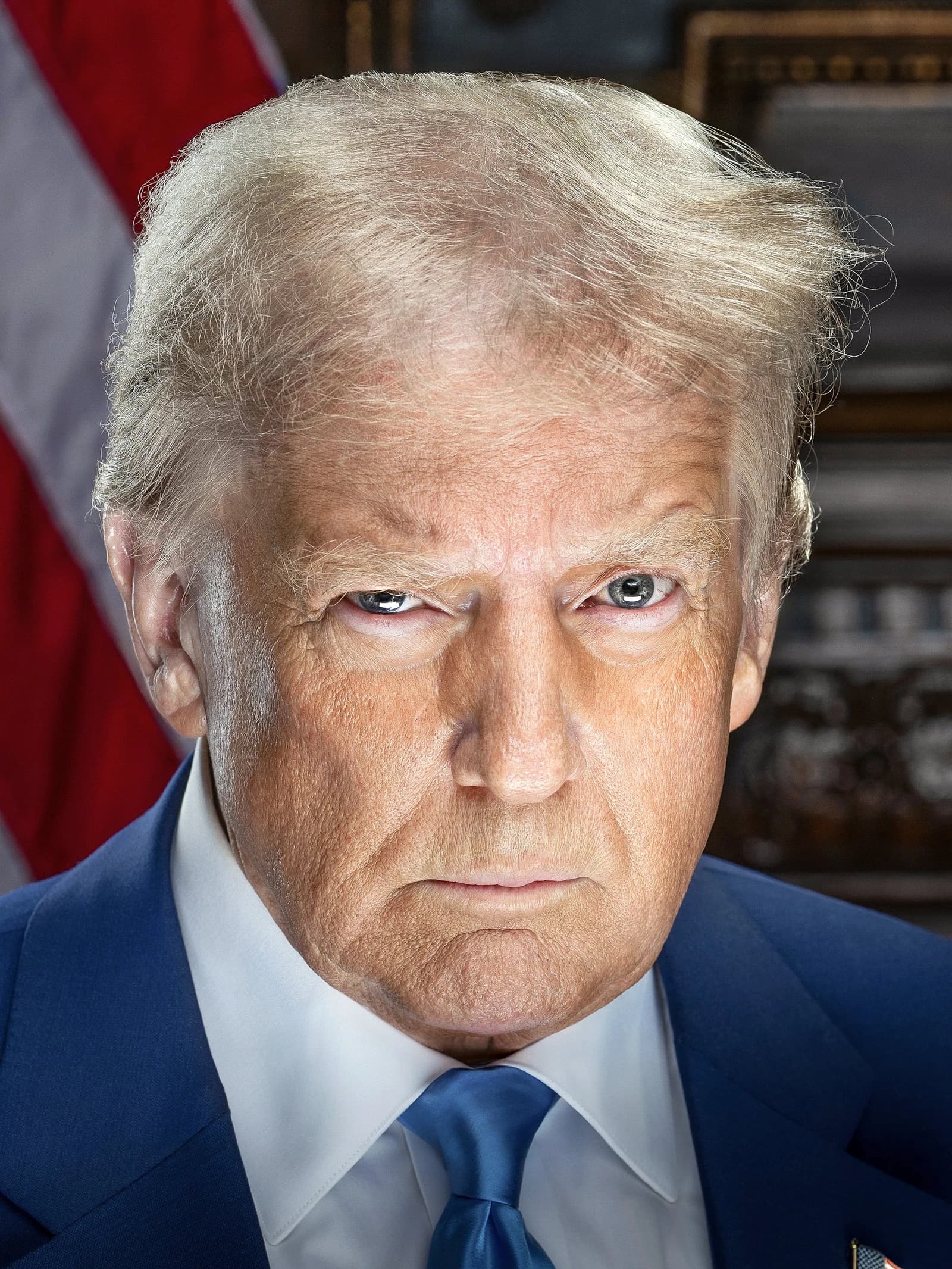
That is the paradox investors need to focus on. A divided Washington can make Trump more cautious about blowing up the fragile trade truce with China, improving the odds of near-term concessions on tariffs and market access. But it also raises the chance that he leans harder on foreign-policy wins elsewhere — from Russia and Ukraine to North Korea — while Congress, newly controlled by Democrats, presses him on human rights, Chinese investment and arms sales to Taiwan.
Sentiment Indicators
For markets, the short-term read is constructive for China equities and exporters. The iShares MSCI China ETF, FXI, has drifted back toward its 50-day moving average around $34, while the broader China ETF MCHI is hovering just below its 50-day line near $52. Those levels suggest investors have not yet priced in a meaningful diplomatic easing, even as the immediate threat of a tariff escalation appears less acute. That leaves room for a relief rally if Trump uses the upcoming APEC and G20 meetings to preserve the truce that helped avert a larger shock to the global economy last year.
But the longer-term investment case is more complicated. Beijing may have more leverage in the next round of negotiations because Trump needs a deal to show he can still deliver foreign-policy wins after a political setback. That creates a tactical opening for China to push for tariff cuts or other US concessions. Yet it also invites miscalculation. If Beijing overplays its hand, it risks triggering exactly the instability it wants to avoid, while a more hawkish Congress could accelerate pressure on Taiwan and Chinese capital flows.
US-China Relations — 30-day sentimentadalytica.com
Explore this data interactively — full history, time series and cross-market comparisons.
US-China Relations
The energy market is another reason this matters. One of the biggest tail risks is an escalation of conflict in the Middle East, especially if the Iran war widens. That would raise oil prices, weaken China’s energy security and complicate Beijing’s trade posture at a moment when the country is still trying to steady growth. The USO oil fund remains elevated around $148, underscoring how sensitive global markets are to geopolitical disruptions even after recent pullbacks. For China, a sustained oil spike would be an economic tax; for investors, it would be a reminder that US-China diplomacy cannot be separated from the price of crude.
There is also a second-order geopolitical trade here. Trump may be more inclined to ask Beijing for help on Russia and North Korea as his presidency comes under pressure. China’s leverage over both could become part of a broader bargaining game, but that kind of diplomacy is unstable by nature. It increases the odds of headline-driven rallies in Chinese equities, followed by abrupt reversals if the talks sour or if Washington turns to harder measures on Taiwan.
Adalytica’s US–China Relations Sentiment gauge sits at 36, neutral but fragile, while awareness is in “Extreme Fear,” a sign that investors are alert to a shift but have not fully committed to pricing one in. That is exactly the kind of setup where the market can underappreciate the asymmetry: limited upside if talks merely muddle through, but meaningful downside if Congress and the White House harden their stance on Taiwan or broader technology and investment restrictions.
| Entity | Gains | Losses |
|---|---|---|
| China equities (FXI, MCHI) | ▲Trade-truce relief | ▼Taiwan escalation risk |
| US exporters to China | ▲Near-term tariff reprieve | ▼Policy volatility |
| Oil producers | ▲Geopolitical price spike | ▼Demand destruction risk |
| Taiwan/defense contractors | ▲More arms spending | ▼Diplomacy risk to Beijing |