Russia’s openness to a Putin-Trump-Xi meeting on the sidelines of the November APEC summit in China is the kind of geopolitical signal that can move markets before any formal summit agenda exists.
Kremlin Open to Putin-Trump-Xi Meeting at APEC
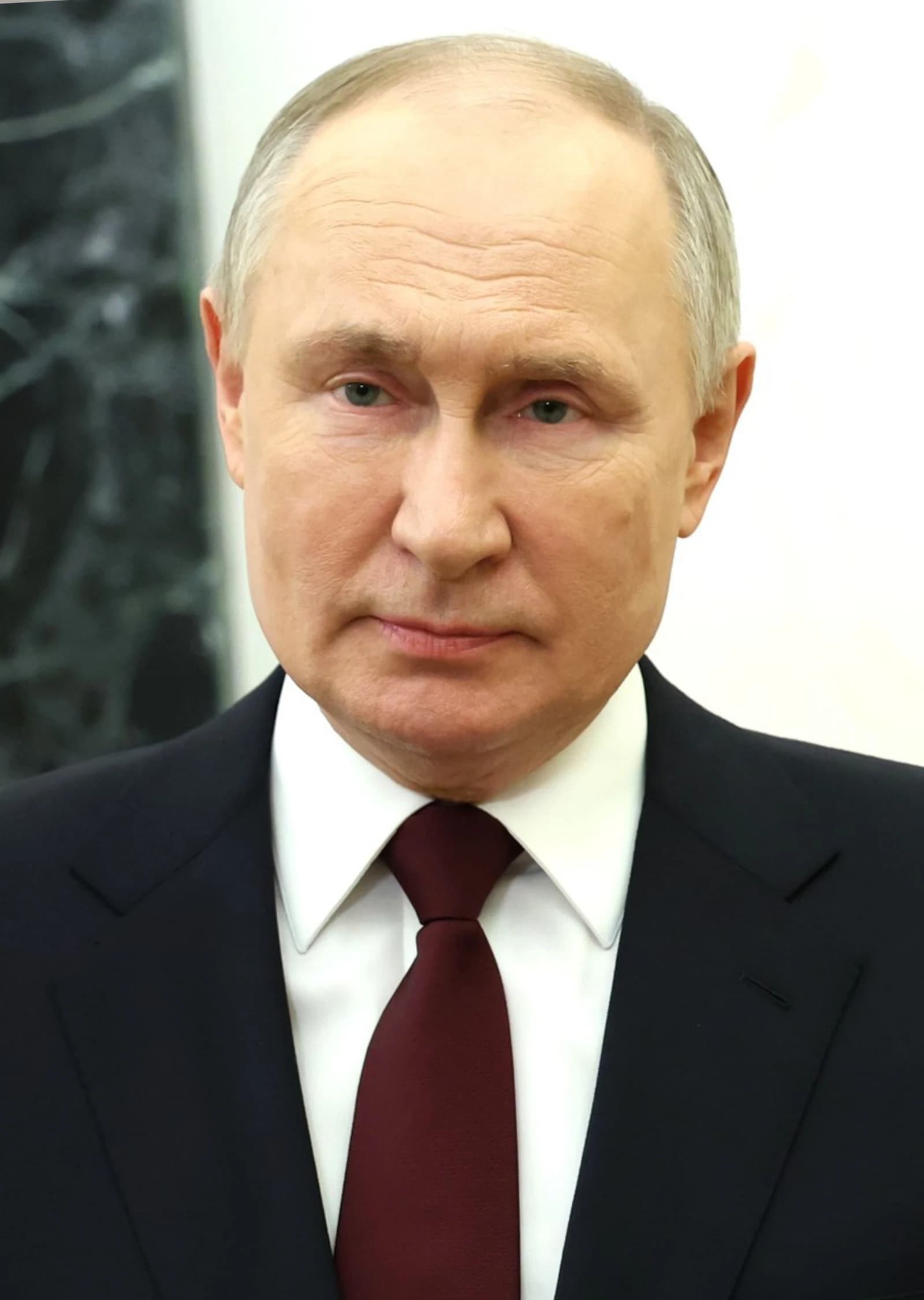
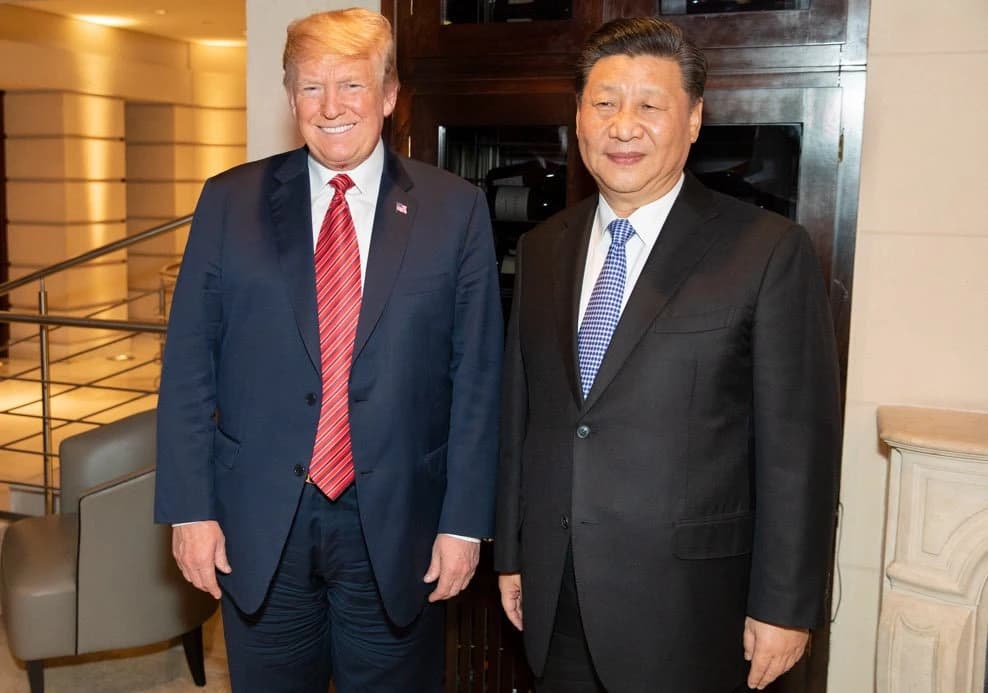
The Kremlin said on Tuesday that President Vladimir Putin would be interested in a trilateral discussion with US President Donald Trump and Chinese President Xi Jinping, even as Yuri Ushakov stressed that no practical preparations have begun. That caveat matters, but the bigger market takeaway is that the three capitals are now publicly floating a venue for direct engagement at a moment when investors are already repricing global stability.
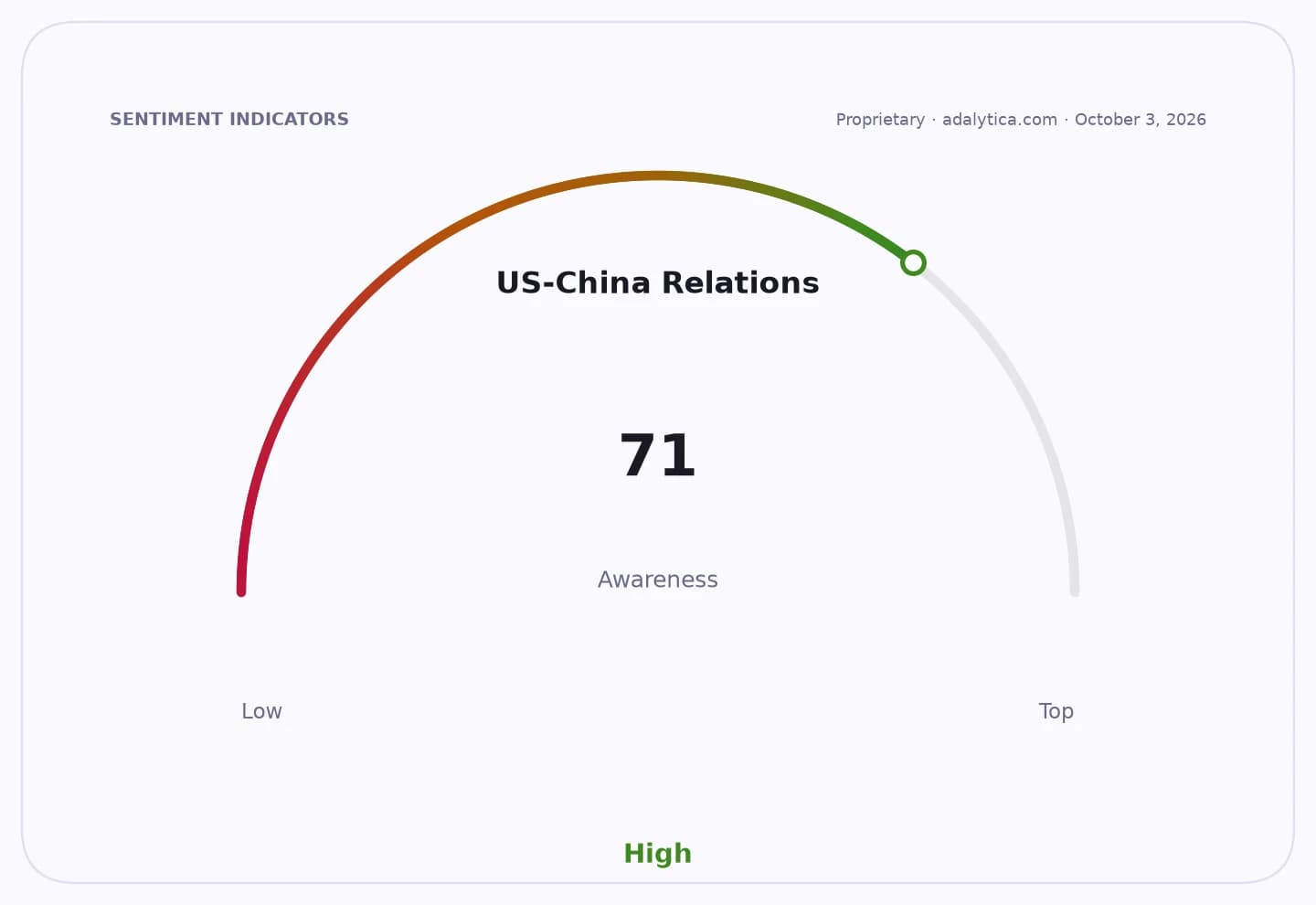
Sentiment IndicatorsⓘProprietary · adalytica.com · October 7, 2026
This is a snapshot — live sentiment, awareness and momentum for 130+ markets update continuously in the dashboard.Open AlphaPulse
The economic significance is straightforward: if Washington, Moscow and Beijing even begin to shape a high-level dialogue around trade, sanctions, security or energy flows, the ripple effects extend well beyond diplomacy. Oil traders are among the first to react because any hint of easing geopolitical friction can lower the risk premium embedded in crude, while any sign of failed outreach can do the opposite. That is why USO has been so sensitive to headlines this year, with the ETF trading as high as 161.86 and still sitting far above its 50-day moving average, even after a pullback to 145.44. The market is not pricing peace; it is pricing volatility.
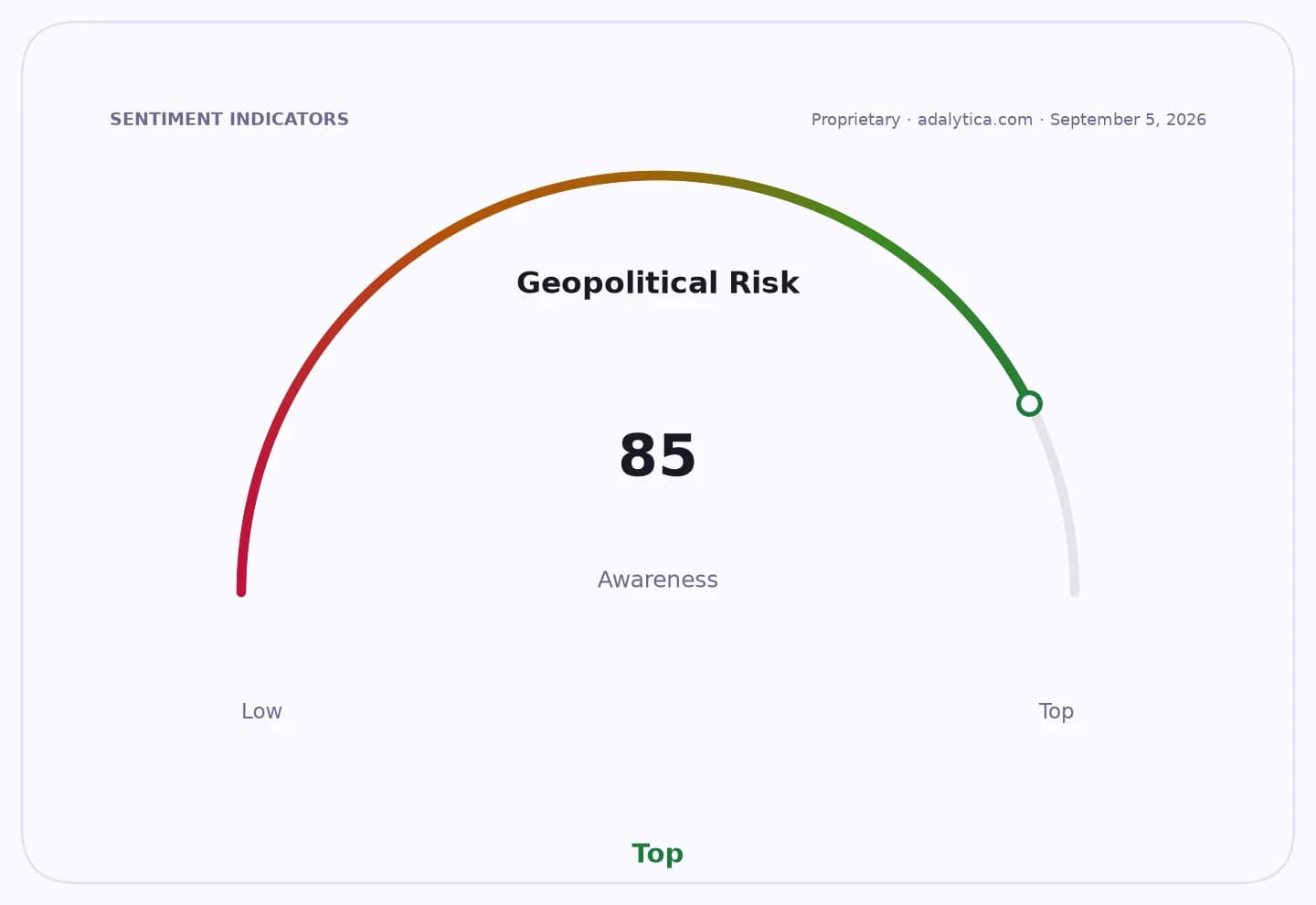
Gold is the cleaner hedge. GLD closed at 375.69, well below its 50-day moving average of 396.72, as its technical backdrop softened. But the bigger message is that gold has already spent this year acting as a pressure valve for geopolitical anxiety, and the latest Adalytica Global Stability sentiment reading is flashing “Extreme Greed” at 100, even as awareness remains in “Extreme Fear” territory. That combination says investors are complacent about risk even while buying protection remains part of the playbook. If the APEC talks look real, gold could cool further; if they fail to materialize, safe-haven demand can reassert quickly.
For investors, the market-movers are not just the obvious commodity proxies. Defense names, energy producers, shipping and sanctions-sensitive industrials all trade off expectations for the next phase of great-power relations. A genuine Putin-Trump-Xi conversation would be read as an attempt to manage escalation, not solve it, but markets often reprice on the possibility of de-escalation long before policy changes show up.
The larger narrative is that APEC is becoming less of a trade forum and more of a stage for power-brokering among the US, China and Russia. China hosting the summit gives Beijing leverage as organizer and mediator, and that alone strengthens the case for Asia-linked risk assets if the diplomacy appears constructive. But until there are actual preparations, this is still option value, not closure.
Our view: treat the APEC headline as a catalyst for volatility in oil, gold and defense exposure, not a reason to chase one-way bets. The asymmetric opportunity remains in assets that benefit from higher uncertainty, because the market is still underestimating how fast geopolitics can move commodity prices and capital flows.
| Entity | Gains | Losses |
|---|---|---|
| Oil bulls / USO | ▲Risk premium intact | ▼Bears betting on détente |
| Gold / GLD holders | ▲Safe-haven bid | ▼Traders fading geopolitics |
| Defense and sanctions-linked stocks | ▲Policy uncertainty premium | ▼Détente-sensitive shorts |
| China / APEC hosts | ▲Diplomatic leverage | ▼Forums without follow-through |