Oil prices climbed again on Wednesday, reviving the inflation and supply-risk trade that helped drag the DAX and U.S. equities lower while pushing gold deeper under pressure.
Oil prices rise as DAX, Nasdaq, and gold fall
The move matters because energy is once more driving cross-asset pricing: firmer crude tends to squeeze margin-sensitive sectors, lift input costs for consumers and companies, and keep bond yields elevated if investors conclude geopolitical risk is feeding into broader inflation. That combination is typically negative for equities, especially cyclicals and high-valuation technology stocks, and it also erodes the appeal of non-yielding assets such as gold when real rates and the U.S. dollar firm.
Sentiment IndicatorsⓘProprietary · adalytica.com · September 28, 2026
This is a snapshot — live sentiment, awareness and momentum for 130+ markets update continuously in the dashboard.Open AlphaPulse
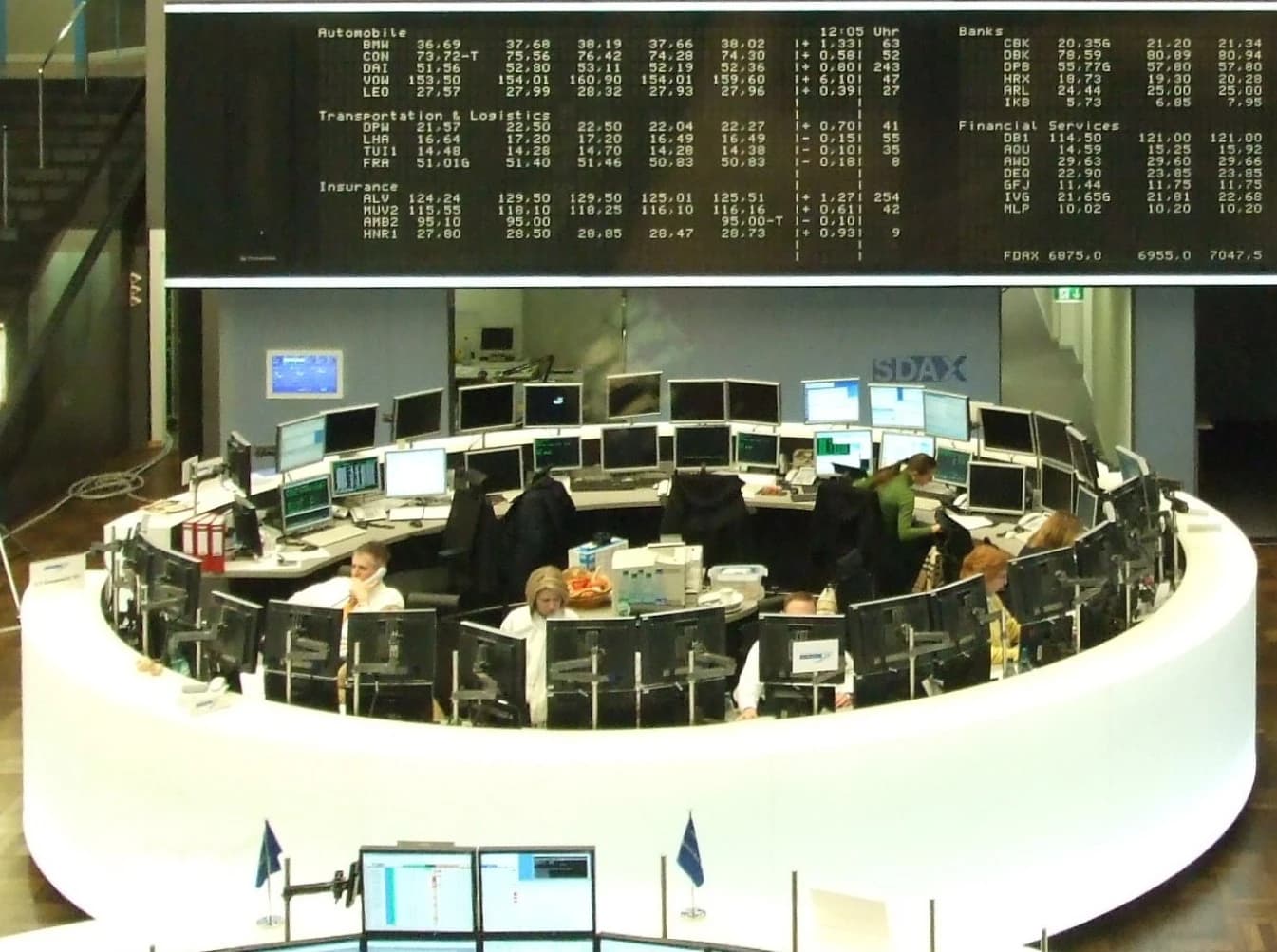
In Germany, the DAX failed to hold early gains and closed 0.66% lower at 25,410.63, with the TecDAX off 0.41%. The selloff came as traders again focused on the Strait of Hormuz after reports of another cargo vessel being targeted, underscoring how the Iran-related tension is now spilling beyond crude into broader risk appetite. Market strategist Timo Emden at CapTrader said the DAX remains “hängt weiterhin am Tropf des Ölpreises,” or tethered to the oil price, as investors wait for clarity on energy costs and on the planned Trump-Xi meeting.
That same caution spread across Europe. The EURO STOXX 50 lost 0.31% to 6,305.08, with traders reluctant to add risk ahead of the Trump-Xi summit and amid lingering uncertainty over global trade, AI governance and supply chains. Better-than-expected eurozone purchasing managers’ data did little to shift sentiment, suggesting macro resilience is being overshadowed by geopolitics and energy-market volatility.
U.S. equities followed the same script. The Dow Jones fell 0.68% and the Nasdaq Composite dropped 1.13%, as the rebound in oil removed one of the recent supports for stocks. Higher crude prices can keep inflation expectations sticky, complicate the Federal Reserve’s easing path and pressure earnings for transport, consumer and industrial companies. The Nasdaq’s sharper decline also reflects the market’s sensitivity to any rise in yields, which tends to hit long-duration growth shares hardest.
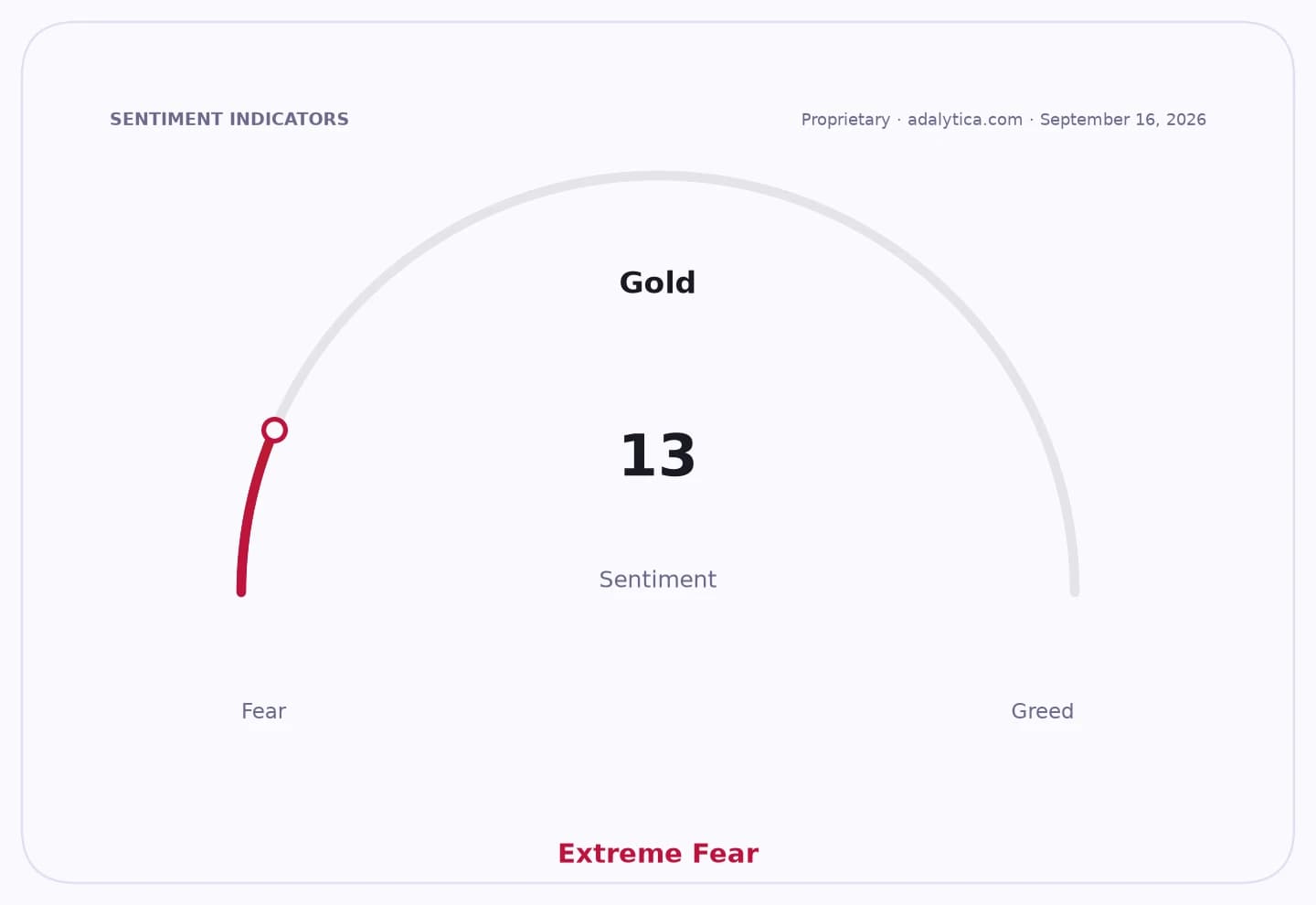
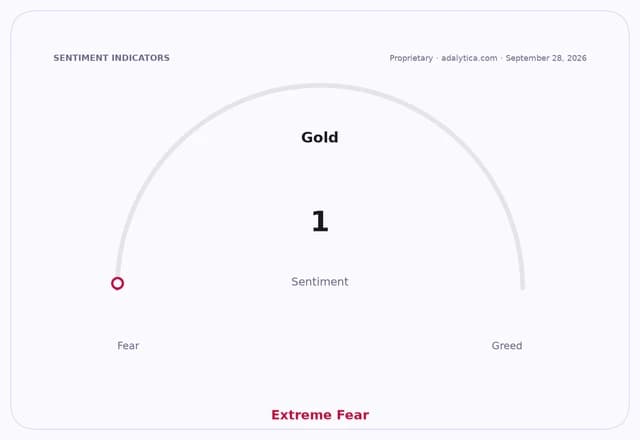
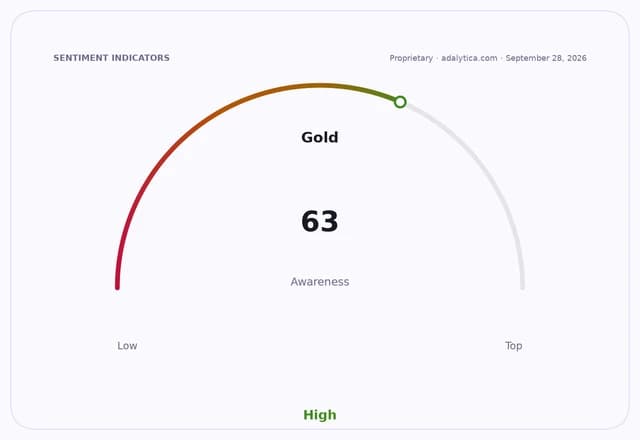
Gold, meanwhile, came under renewed pressure despite the geopolitical backdrop that would normally support haven buying. GLD, the SPDR Gold Trust, fell to $377.91 on Sept. 28, well below its 50-day moving average of $395.62 and its 200-day average of $416.39. The decline coincided with a stronger dollar and higher U.S. Treasury yields, a mix that increases the opportunity cost of holding bullion. Adalytica’s Gold Fear & Greed Index showed “Extreme Fear,” while the U.S. dollar signal also shifted toward fear, highlighting how quickly the market has moved from inflation hedging to de-risking.
The economic tension in this setup is straightforward: oil strength supports energy producers and oil-linked assets, but it raises the risk of slower growth and stickier inflation for everyone else. That leaves investors weighing whether the latest rise in crude is a temporary geopolitical spike or the start of a more persistent repricing of supply risk. If the former, equities may stabilize and gold could recover on haven demand; if the latter, the pressure on stocks and precious metals could persist as markets confront a less comfortable mix of higher energy costs, firmer yields and policy uncertainty.
For now, the market message is that geopolitics is once again setting the tone. Until investors get clearer signals from the Middle East and from the Trump-Xi talks, crude may continue to dictate whether risk assets can regain footing or whether the rotation stays defensive.
| Entity | Gains | Losses |
|---|---|---|
| Oil producers | ▲Higher realized prices | ▼Demand-sensitive sectors |
| DAX / European equities | ▲Defensive energy names | ▼Cyclical exporters, rate-sensitive stocks |
| U.S. stock indices | ▲Energy shares | ▼Nasdaq growth, transports |
| Gold holders | ▲None from current move | ▼Bullion, GLD |