Ukraine’s President Volodymyr Zelensky has asked Donald Trump to bring China into efforts to end Russia’s war, a sign Kyiv is widening its diplomatic strategy as battlefield losses, sanctions pressure and civilian attacks keep the conflict highly volatile.
Ukraine asks Trump to bring China into Russia talks
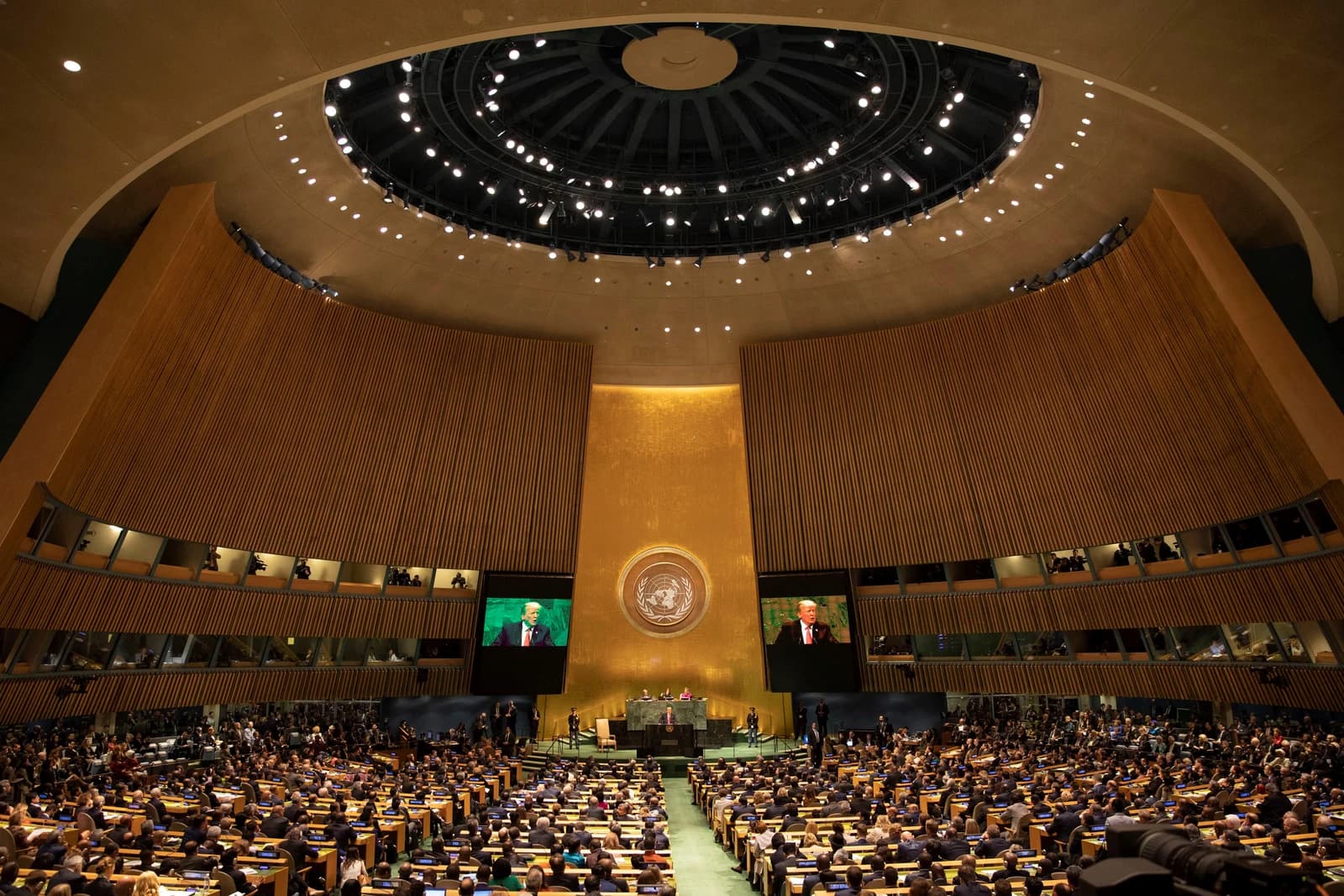
The request matters because Beijing remains one of the few powers with enough leverage over Moscow to shape Kremlin calculations without direct military involvement. Zelensky’s appeal, made after meeting Trump in Washington during the U.N. General Assembly week, underscores a simple reality: neither U.S. pressure alone nor European support has yet forced Russia to change course, so Kyiv is trying to pull in a bigger geopolitical player that can affect the cost-benefit equation for President Vladimir Putin.
Sentiment IndicatorsⓘProprietary · adalytica.com · October 1, 2026
This is a snapshot — live sentiment, awareness and momentum for 130+ markets update continuously in the dashboard.Open AlphaPulse
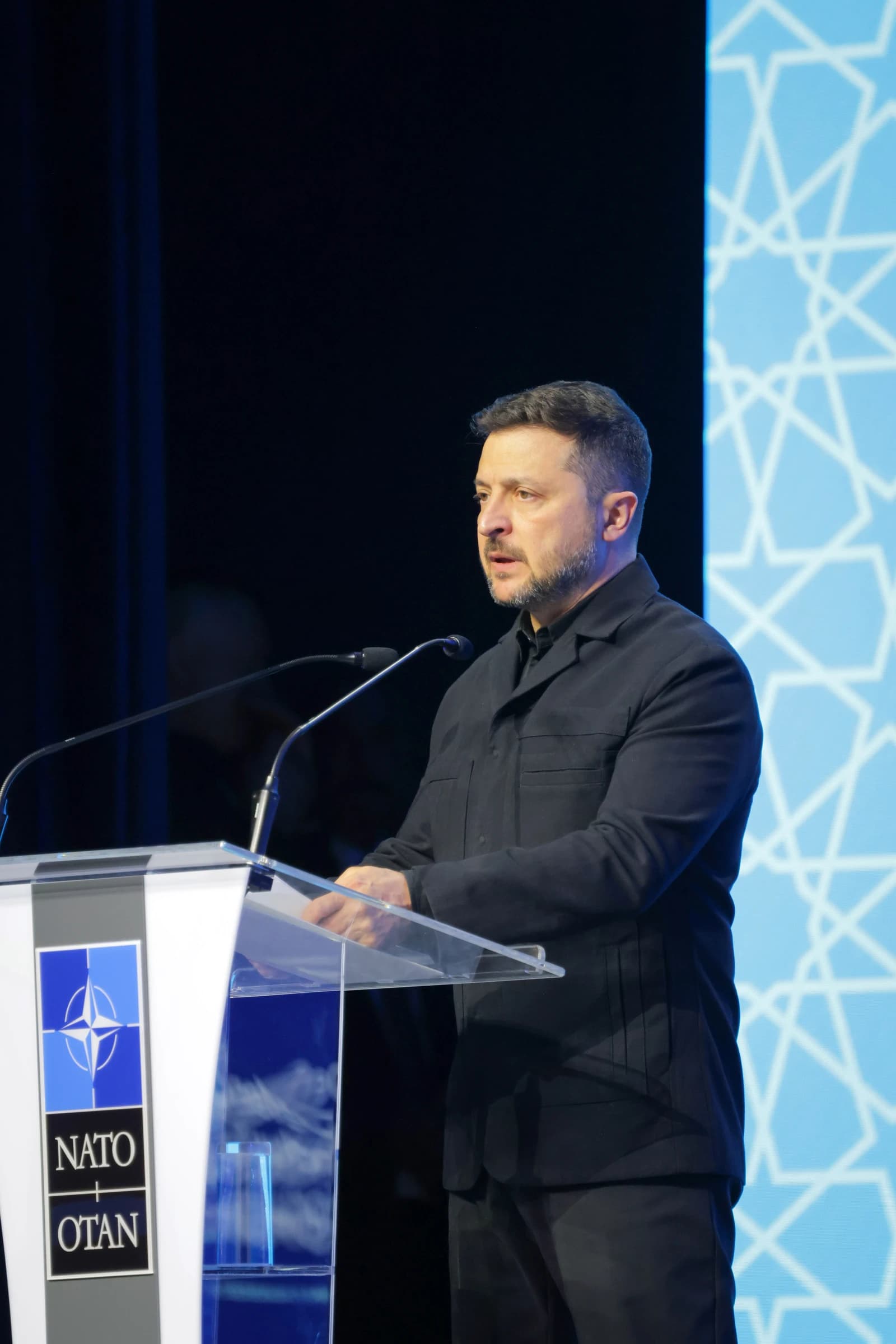
Zelensky said he urged Trump to “bring Xi Jinping along” and convince China’s leader to help through diplomacy. He said he had not yet received a White House readout on Trump’s recent conversation with Xi, but expected to learn the results. The push comes as Washington explores a possible trilateral format involving the U.S., Ukraine and Russia, with officials floating the United Arab Emirates as a venue. Kremlin spokesman Dmitry Peskov said Putin and Trump had agreed in principle earlier this month to hold a meeting in the near future.
For investors, the significance is less about imminent peace than about the range of scenarios now open to markets. Any credible pathway to talks would carry implications for energy, metals, European defense spending and sanctions-sensitive assets. But the fact that Kyiv is now asking Washington to recruit Beijing also suggests the war is entering a more complex diplomatic phase, not a resolution phase. That keeps a premium on geopolitical hedging and on assets that benefit from uncertainty, including gold, even as conventional risk appetite remains fragile.
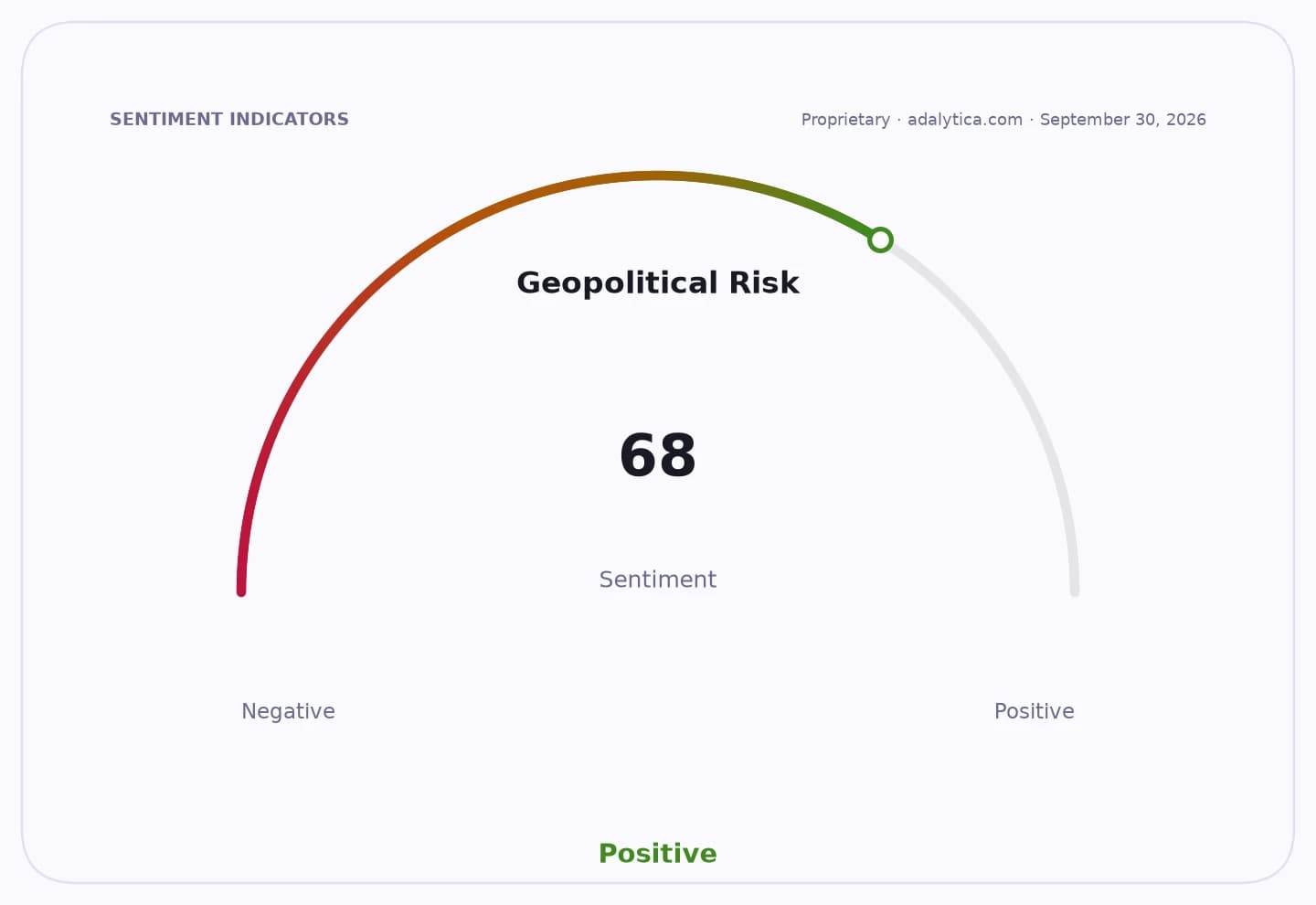
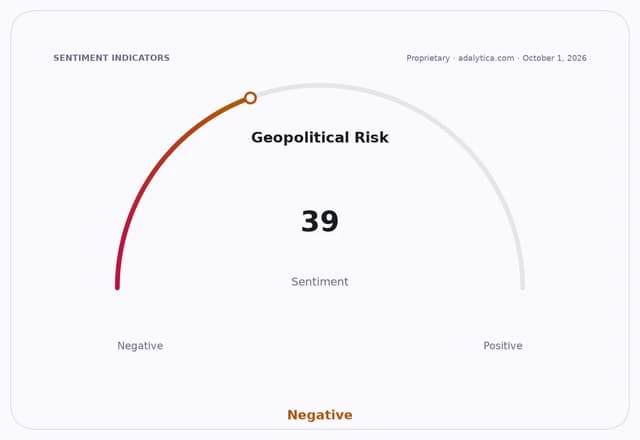
Geopolitical Risk — 30-day sentimentadalytica.com
Explore this data interactively — full history, time series and cross-market comparisons.Open AlphaPulse
The market backdrop reflects that tension. Global Stability Sentiment in the Adalytica gauge is at 39, labeled neutral, but awareness is at 4, or extreme fear, indicating investors remain highly alert to tail risks even when headline sentiment is not outright panicked. Gold has also stayed sensitive to the war premium: GLD recently traded at $382.22, below its 50-day moving average of $396.11 and its 200-day average of $416.23, while RSI readings in the mid-30s point to a market that has cooled from earlier stress but has not fully normalized.
Oil is also being watched for any escalation or breakthrough. USO finished at $147.59, above both its 50-day and 200-day moving averages, reflecting how geopolitics and supply concerns continue to support crude despite some recent volatility. That leaves energy markets exposed in either direction: ceasefire talk could ease some of the war premium, while failure of diplomacy or fresh attacks could quickly revive it.
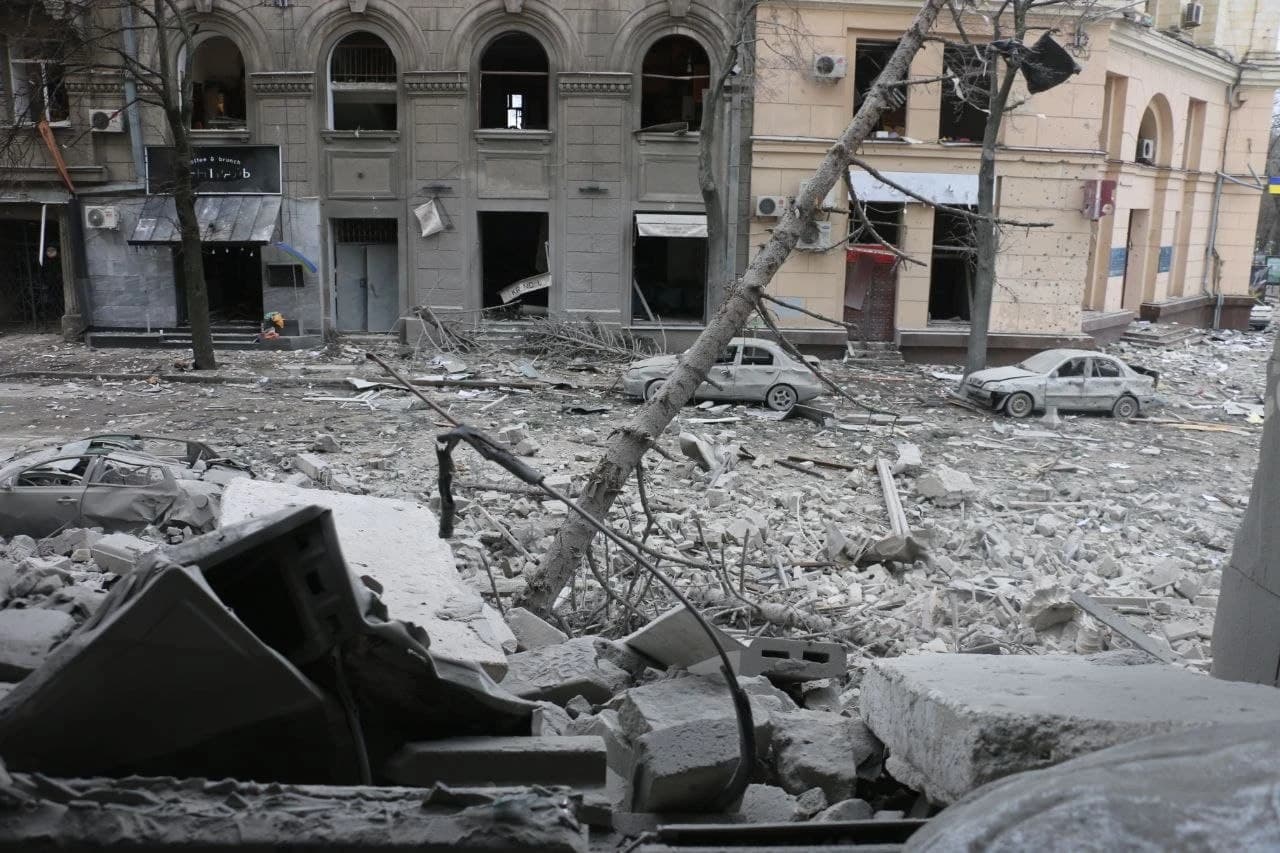
The humanitarian backdrop remains severe and continues to harden negotiating positions. Ukrainian officials said Russian overnight and Friday strikes killed at least four people and wounded 11, while Ukrainian attacks killed one person and injured 21 in Russia. Kyiv said eight Ukrainian regions were hit, including continuing strikes on the capital that killed a 14-year-old boy and injured others. The violence reinforces why Zelensky is seeking broader external pressure rather than waiting for bilateral U.S.-Russia contacts to produce a breakthrough.
China’s role is the central variable in this new diplomatic layer. Beijing has maintained ties with Moscow while presenting itself as a potential peacemaker, but it has so far avoided the kind of direct pressure on Russia that would materially shift the war. If Trump were to use the prospect of a U.S.-China understanding to draw Xi closer to a settlement effort, that could alter expectations for sanctions, commodity flows and the duration of Europe’s security shock. The bear case is that China offers rhetoric but no leverage, leaving the war frozen and markets stuck with a persistent geopolitical risk premium.
For now, the most important change is not that peace is near, but that the diplomatic map is widening. Ukraine is no longer only asking for more weapons and tougher sanctions; it is asking for the world’s two largest powers to work, however uneasily, toward a settlement. That makes the next round of talks—and any signal from Washington or Beijing—especially important for investors watching oil, gold, defense shares and Europe’s risk premium.
| Entity | Gains | Losses |
|---|---|---|
| Ukraine | ▲Broader diplomatic leverage | ▼Continued war fatigue |
| China | ▲Peacemaking influence | ▼Pressure to act on Russia |
| Gold buyers | ▲Geopolitical hedge demand | ▼Calmer risk premium |
| Oil bulls | ▲Supply-risk support | ▼Ceasefire downside |