China is drawing a hard line against Washington’s latest sanctions push on Russia and Iran, and that matters because it keeps the world’s two biggest economies on a collision course just as investors are trying to handicap oil, trade and global growth.
China Pushes Back on US Sanctions Over Russia, Iran
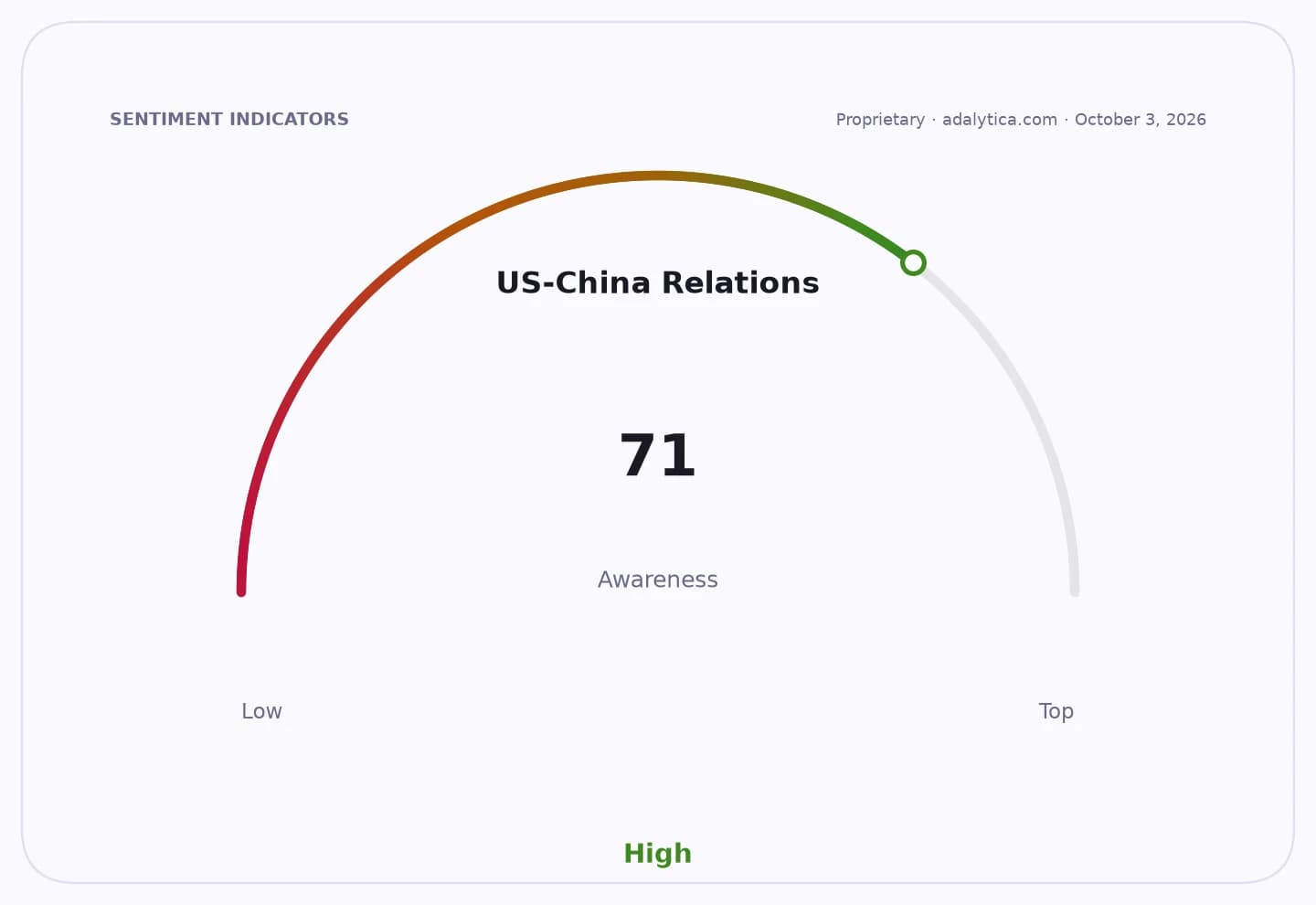
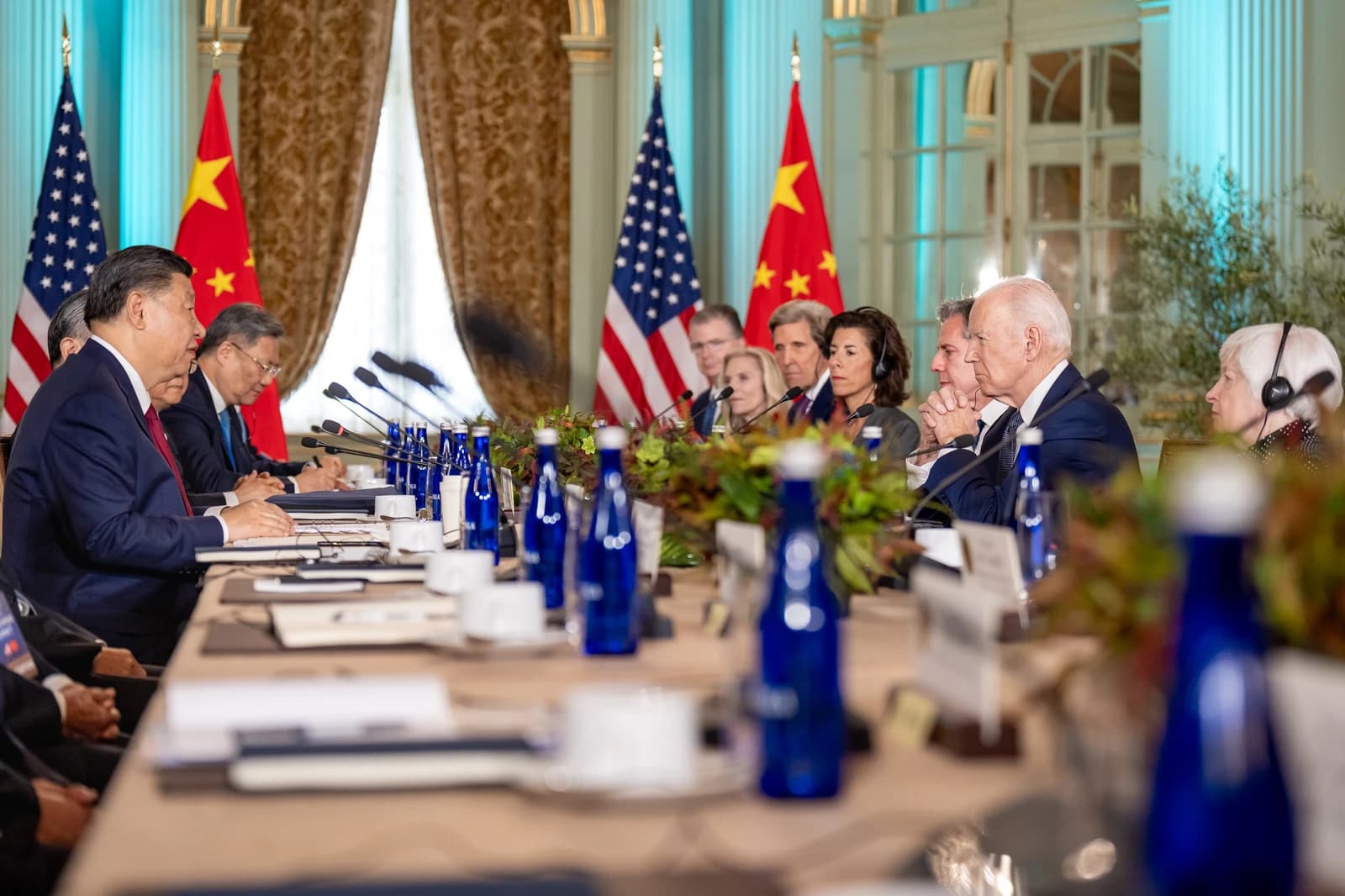
Beijing said its normal economic cooperation with other countries should not be subject to “third-party” interference or pressure, after the U.S. House approved a procedural measure for a bill that would impose new sanctions on Russia and Iran by 214 votes to 211. That may sound like diplomatic boilerplate, but the economic stakes are real: sanctions aimed at Russia and Iran can reshape energy flows, shipping routes and payment channels, while China’s response signals it is prepared to defend commercial ties that Washington increasingly treats as part of a wider security contest.
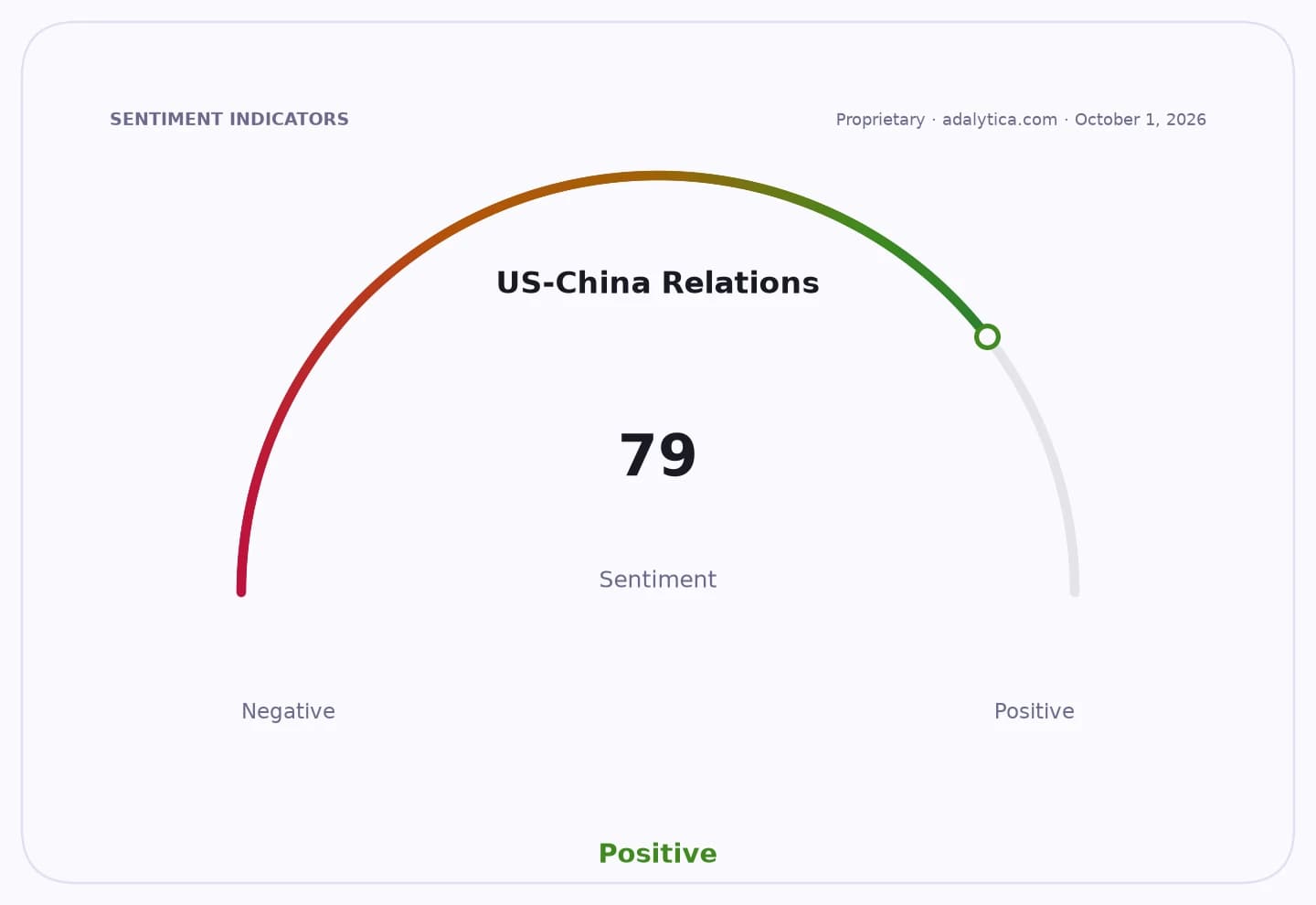
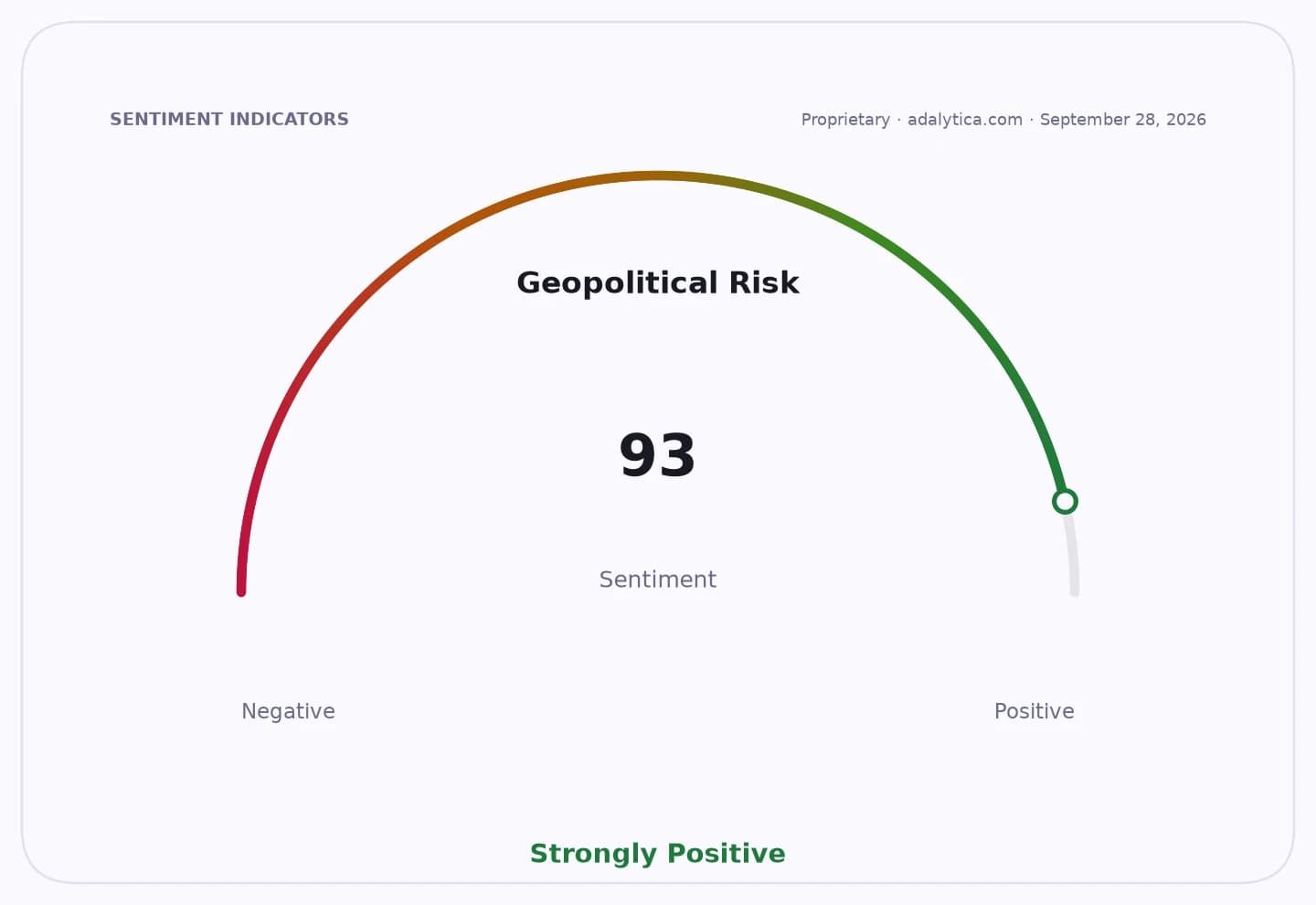
Sentiment IndicatorsⓘProprietary · adalytica.com · October 3, 2026
This is a snapshot — live sentiment, awareness and momentum for 130+ markets update continuously in the dashboard.Open AlphaPulse
For investors, the immediate read-through is to watch for more volatility in oil, the yuan and China-exposed assets. Oil has already shown how sensitive it is to geopolitical risk, and any broader tightening around Russian and Iranian exports can ripple through energy markets, freight costs and inflation expectations. At the same time, China’s pushback raises the odds that trade and sanctions policy remain a persistent source of headline risk rather than a one-off flare-up.
The bigger story is that this is no longer just about Russia or Iran. It fits into a broader U.S.-China rivalry in which sanctions, tariffs and export controls are increasingly interconnected. Beijing’s message is that it will not accept Washington setting the terms of its external economic relationships, especially where Chinese firms or commodities are involved. That leaves multinationals, commodity traders and emerging-market investors navigating a world where geopolitics can alter supply chains as quickly as earnings can.
The market has already been trading that uncertainty. China-focused ETFs have struggled to build momentum, while U.S. dollar strength and geopolitical anxiety tend to support the greenback and pressure risk assets tied to global trade. Meanwhile, the fact that Beijing is publicly defending “normal” commercial cooperation suggests it wants to preserve room for business even as the diplomatic tone hardens.
For long-term investors, the lesson is not to chase every headline, but to respect the persistent premium that geopolitical friction adds to energy, defense, shipping and diversified multinational businesses with pricing power. The sanctions fight is likely to keep creating short-term noise, but the durable opportunity still lies with companies and funds built to withstand a more fragmented global economy. Worth watching, and worth keeping on the radar for patient investors.
| Entity | Gains | Losses |
|---|---|---|
| U.S. policymakers | ▲sanctions leverage | ▼China cooperation |
| China | ▲trade autonomy | ▼diplomatic flexibility |
| Energy markets | ▲higher risk premium | ▼predictability |
| Global investors | ▲volatility opportunities | ▼stable global growth |