China signaled it wants to keep trade and diplomatic tensions with Washington contained after the U.S. midterm elections, a reminder that the biggest economic risk for global markets is not a fresh breakthrough but the absence of escalation.
China signals trade tensions with U.S. remain contained
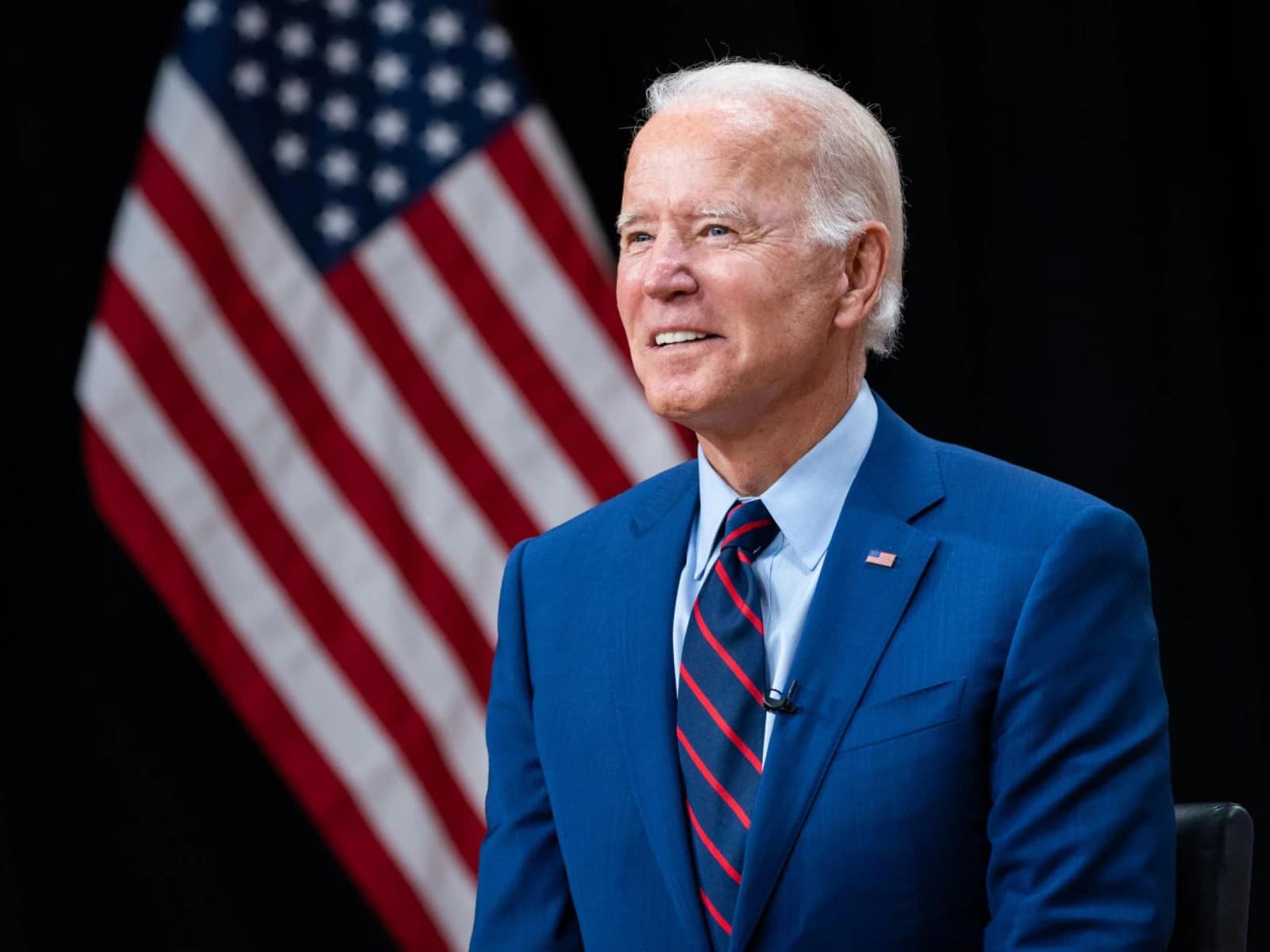
For investors, that matters because even a modest thaw in U.S.-China relations can steady supply chains, ease tariff risk and support sentiment across technology, industrial and export-linked stocks. Beijing’s message was carefully calibrated: the election is an internal U.S. matter, but China is “ready” to keep working with Washington to deepen communication, manage differences and expand cooperation on the basis of “respect, fairness and reciprocity.”
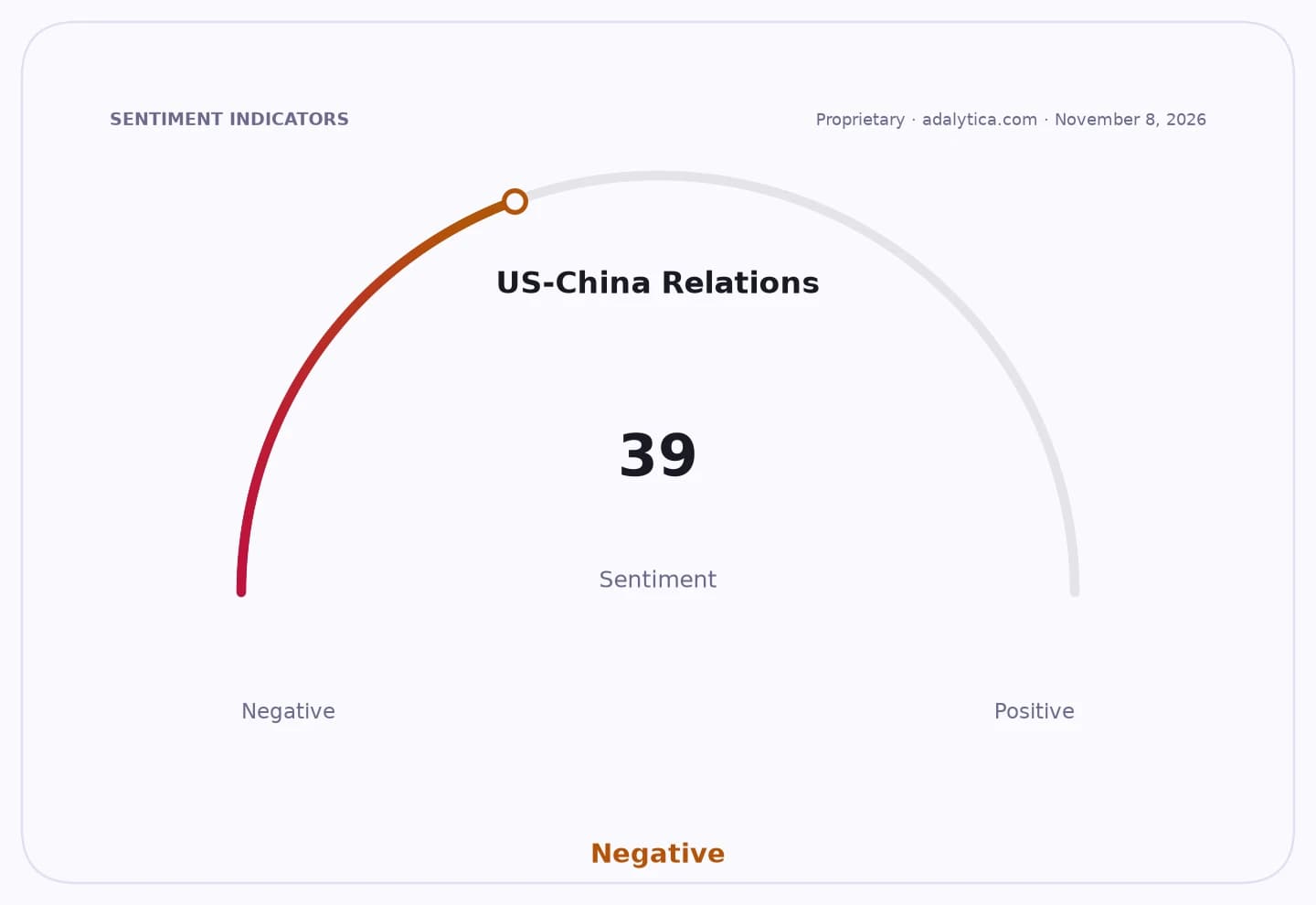
Sentiment Indicators
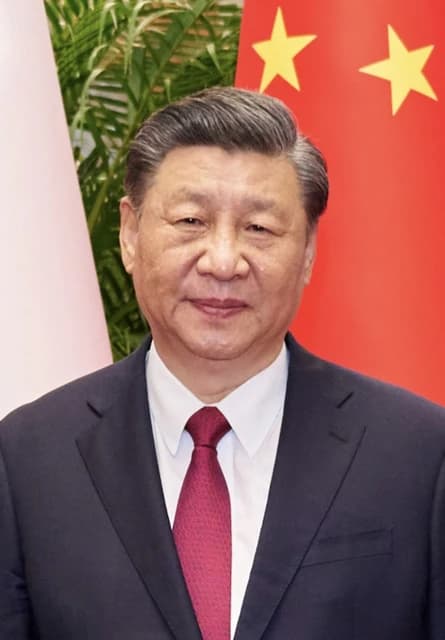
The statement lands at a sensitive moment. Presidents Donald Trump and Xi Jinping met in Washington in late September, but the summit produced few visible results beyond a truce in the tariff fight that was extended until Jan. 10. That deadline still hangs over companies exposed to cross-border sourcing, semiconductors, consumer goods and heavy industry. The market has been waiting less for grand diplomacy than for predictability, and Beijing’s tone suggests it prefers a managed rivalry to a widening economic confrontation.
That is the investable story. The U.S.-China relationship remains one of the key macro inputs for global risk assets, and every signal of restraint lowers the probability of near-term tariff shocks, export controls or retaliatory measures that can hit margins and capex plans. The message also fits a broader pattern: China is trying to preserve room for trade and investment even as it defends its strategic interests, a balance that tends to benefit multinational firms with diversified supply chains and large Asia exposure.
Geopolitical Risk — 30-day sentimentadalytica.com
Explore this data interactively — full history, time series and cross-market comparisons.
Geopolitical Risk
The tactical setup argues for watching sectors that are most sensitive to a de-escalation narrative: semiconductor equipment, global industrials, shipping, luxury and consumer brands, and Chinese internet and export names that trade on external demand. If relations remain managed rather than chaotic, the biggest winners are likely to be the companies that have been priced for disruption and spend heavily to hedge against it.
The risk, of course, is that the truce is temporary. Jan. 10 is not a resolution, only a pause, and the next move will depend on whether both sides can turn cautious language into practical agreements. For now, the market should treat Beijing’s statement as a signal that China wants stability, not confrontation — and that alone is enough to keep a premium on any stock or ETF exposed to U.S.-China normalization.
| Entity | Gains | Losses |
|---|---|---|
| Multinational exporters | ▲Lower tariff risk | ▼Less supply-chain disruption |
| Semiconductor and industrial stocks | ▲Better visibility | ▼Policy overhang remains |
| Chinese exporters | ▲More trade stability | ▼Tariff truce still temporary |
| Geopolitical shorts | ▲Reduced escalation premium | ▼Conflict-driven positioning |