China is using this month’s APEC summit to press for a more open, digitally connected Asia-Pacific at a time when global trade rules are under strain and supply chains are being redrawn.
China pushes APEC for open Asia-Pacific trade
The message matters because APEC still encompasses the bulk of the world economy: its 21 members accounted for 61.6% of global real GDP in 2025 and 46.1% of global merchandise and services exports in 2024, according to official figures cited by Chinese authorities. For Beijing, that makes the forum one of the few venues capable of shaping trade, investment and technology rules across the region as protectionism, tariff disputes and industrial policy fragment the global system.
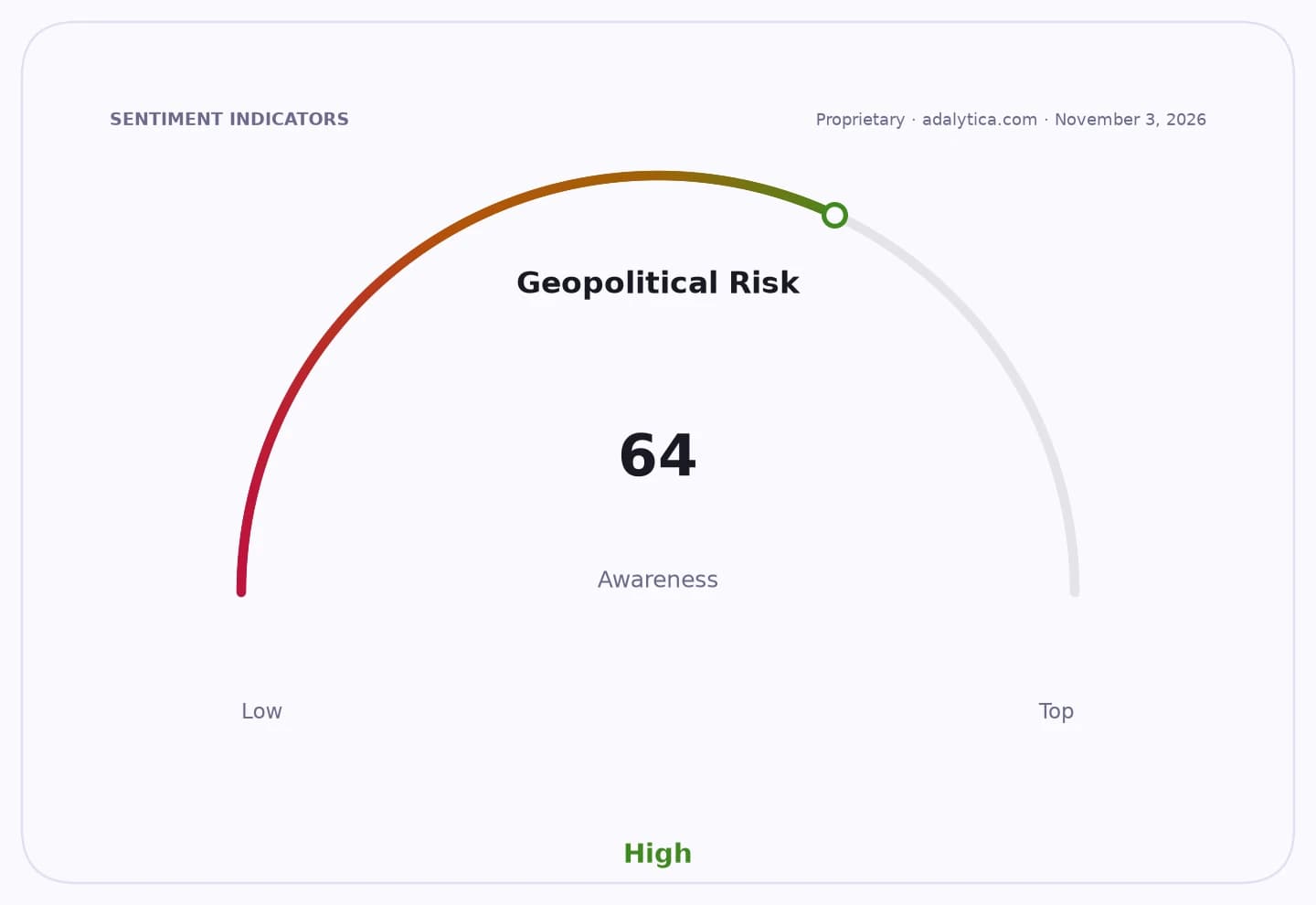
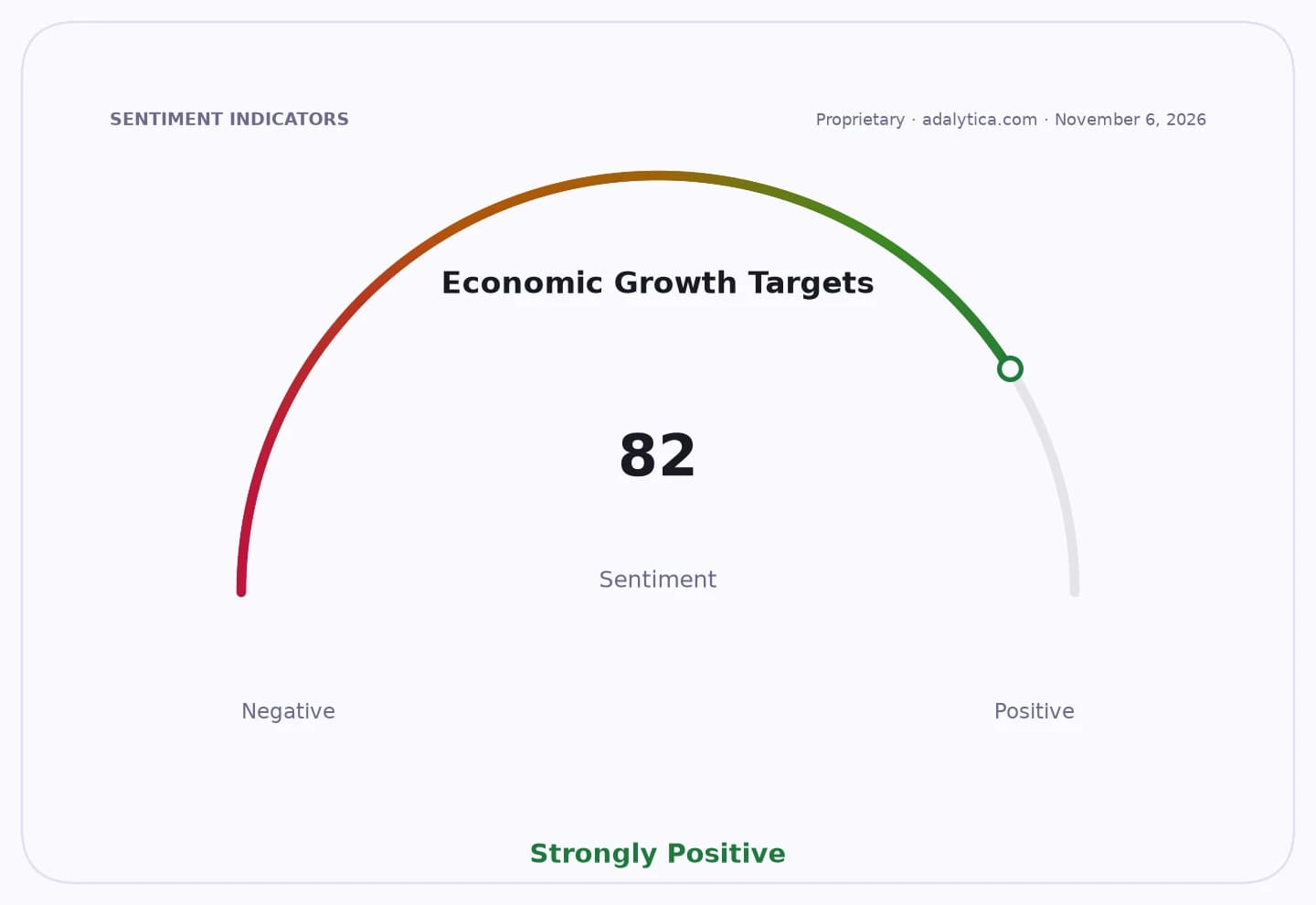
Sentiment Indicators
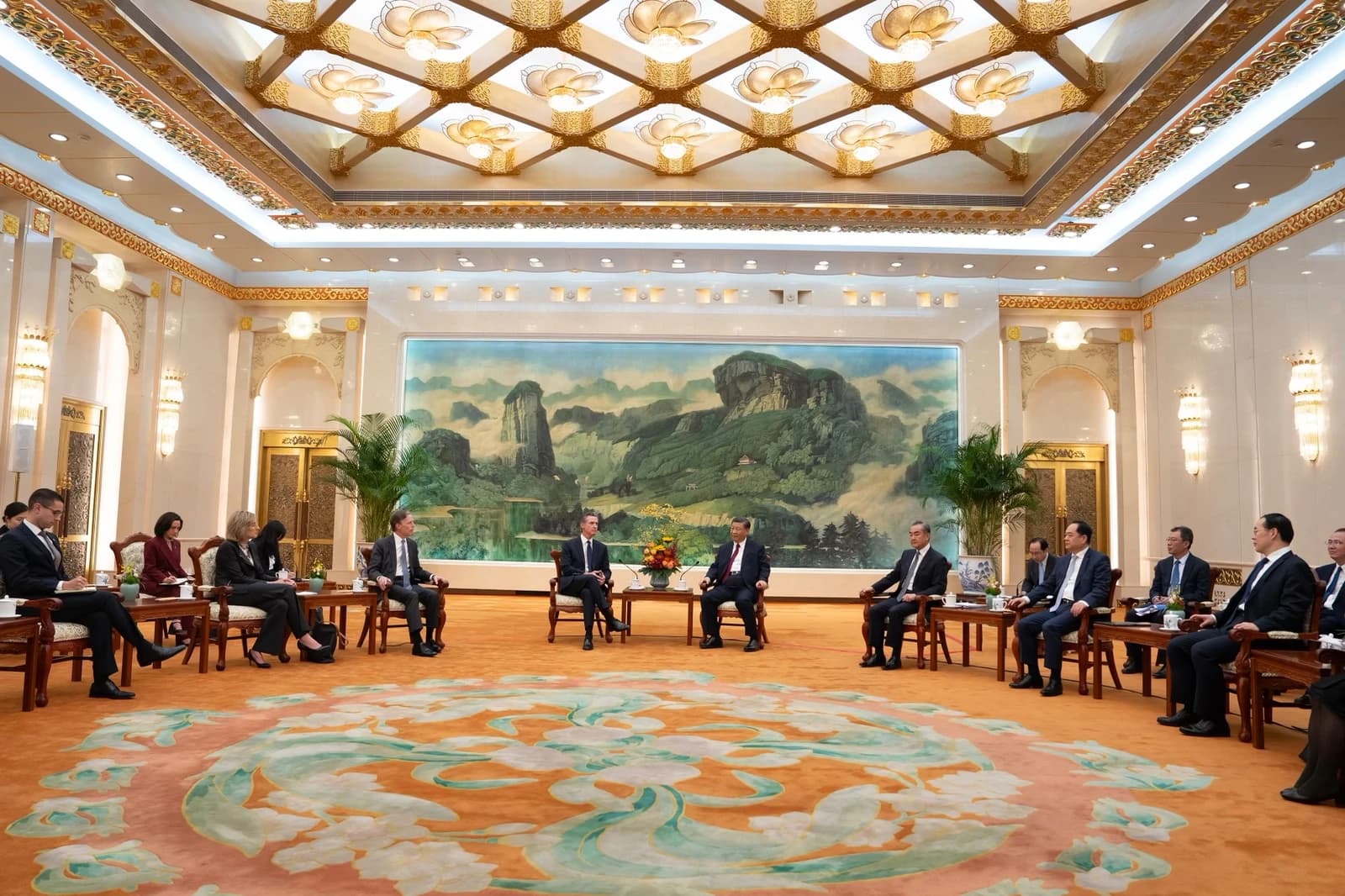
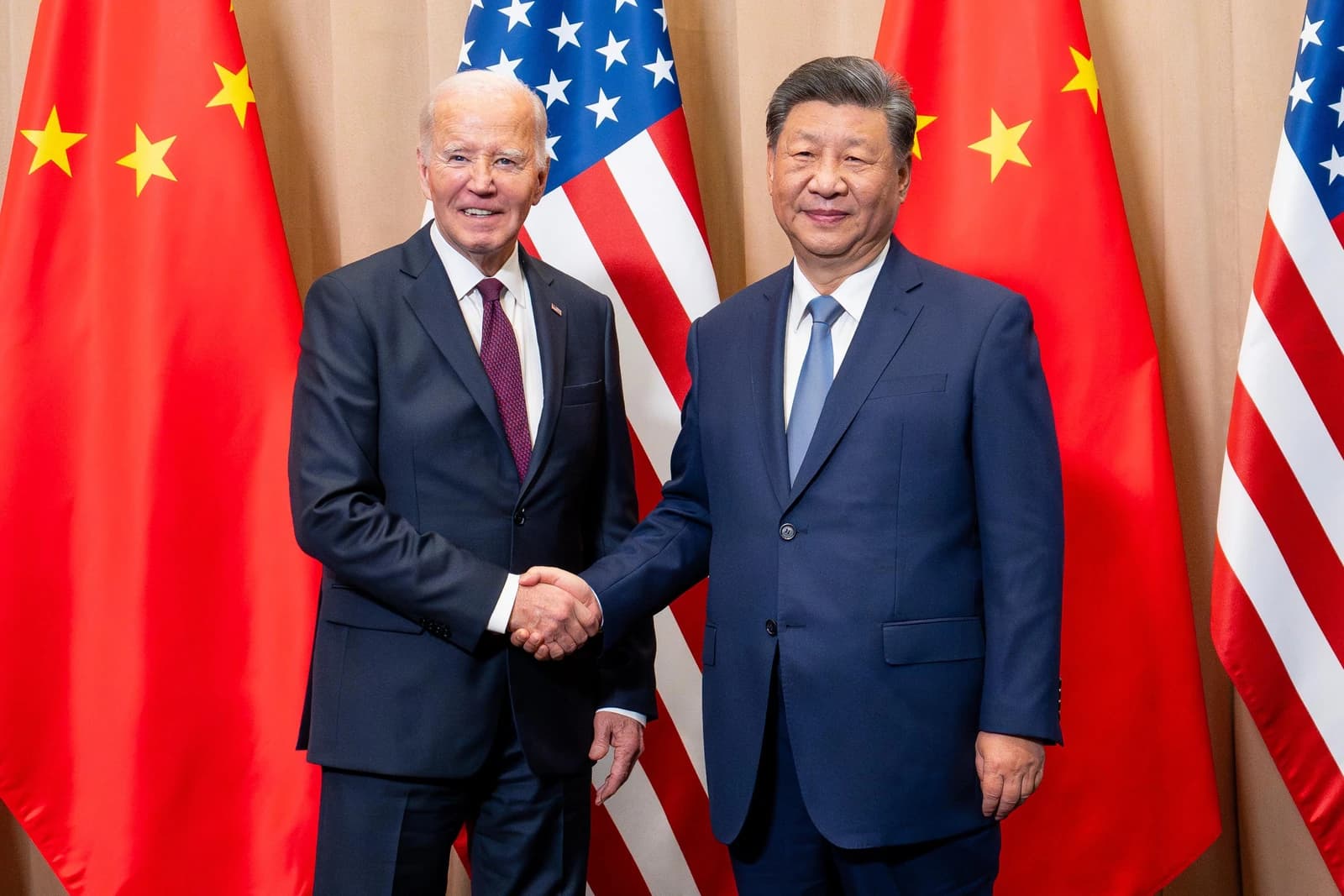
Foreign Minister Wang Yi and Commerce Minister Wang Wentao told the 37th APEC Ministerial Meeting by videoconference that the region should defend the multilateral trading system, accelerate work on the Free Trade Area of the Asia-Pacific and deepen cooperation on digital and artificial intelligence rules. Their comments preview the 33rd APEC Economic Leaders' Meeting in Shenzhen on Nov. 18-19, where China is seeking to frame itself as a champion of openness and stability even as geopolitical tension and slower global growth weigh on the outlook.
For markets, the near-term implication is less about any immediate policy shift than about the direction of travel. A clearer push toward lower trade barriers, more macro-policy coordination and common digital standards would be supportive for regional exporters, supply-chain-heavy manufacturers and technology firms exposed to cross-border data flows. It would also matter for investors watching Chinese assets, where valuations remain sensitive to policy credibility, external demand and the pace of reopening to foreign capital.
The bullish case is that deeper regional integration could help Asia-Pacific economies offset weak external demand by widening intra-regional trade and improving supply-chain resilience. That would particularly benefit companies tied to electronics assembly, consumer goods and advanced manufacturing, while also giving developing economies greater access to AI and other emerging technologies.
The bear case is that the rhetoric may run ahead of the politics. APEC is not a binding trade bloc, and any move toward a true Asia-Pacific free-trade area faces familiar obstacles: strategic rivalry, domestic protectionism and diverging regulatory regimes. Even so, China’s renewed emphasis on openness suggests Beijing sees regional cooperation as a practical hedge against fragmentation, not just a diplomatic talking point.
For investors, that keeps China-sensitive proxies such as FXI, MCHI and leveraged vehicles like YINN in focus, especially as they trade well below their 200-day moving averages even after a recent stabilization. China’s ability to translate summit language into measurable progress on trade, investment and technology coordination will be the key test for whether this integration push can support sentiment beyond the headlines.
| Entity | Gains | Losses |
|---|---|---|
| China/exporters | ▲Wider market access, stronger regional links | ▼Less room for protectionism |
| APEC manufacturers | ▲More resilient supply chains | ▼Higher compliance costs |
| Tech firms | ▲Broader digital and AI cooperation | ▼Fragmented standards |
| Protectionist policies | ▲— | ▼More pressure to unwind barriers |