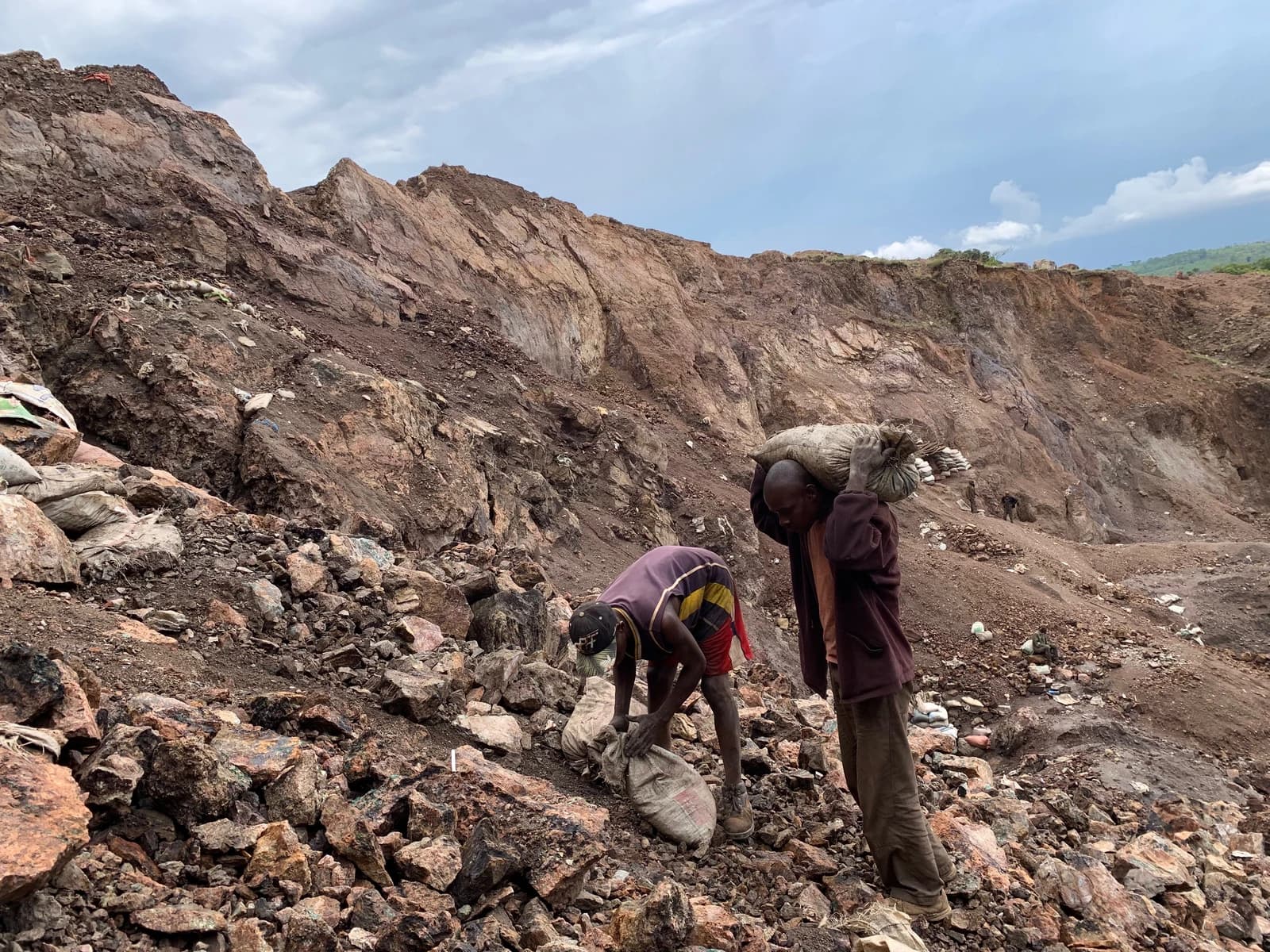
The biggest economic fallout from the U.S.-China showdown may not be a slowdown in Beijing or Washington, but a scramble by third countries to profit from the race to secure critical minerals.
Vietnam, India benefit from critical minerals trade
Geopolitical Risk
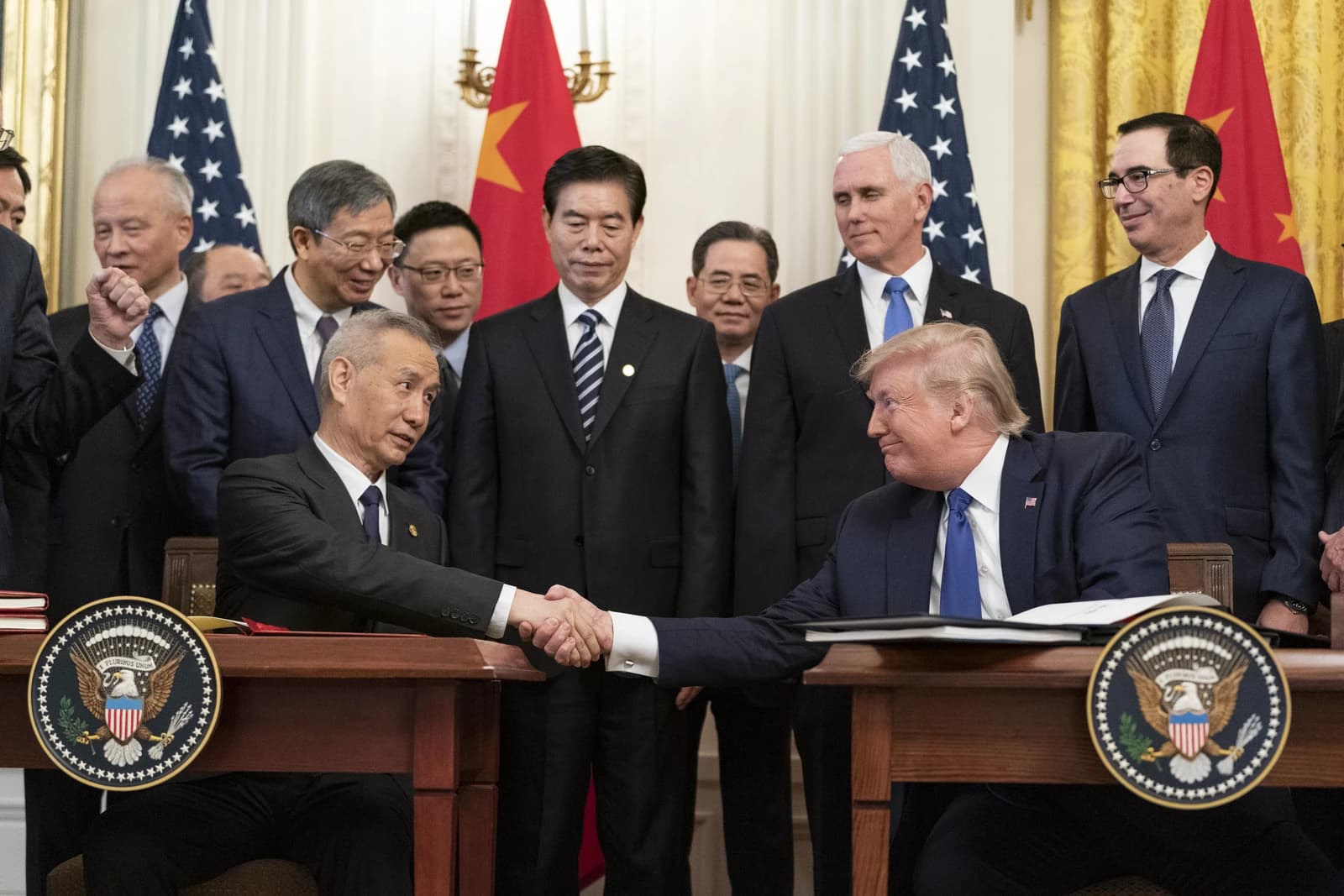
That is the new supercycle taking shape: a global fight for the raw materials that power artificial intelligence, electrification and the next industrial era. China has used minerals diplomacy to strike deals with at least 19 countries since 2000, while the Trump administration has signed minerals-related agreements with more than 20 nations. The difference now is that both powers are narrowing the hunt to a smaller club of countries that can bring minerals to market quickly.
Sentiment Indicators
For investors, that creates a powerful second-order trade. The market is still focused on tariffs, sanctions and supply-chain reshoring, but the bigger opportunity sits one layer down the stack: miners, processors, transport hubs and export platforms in countries that can sit between the superpowers and the resource base. This is where capital flows tend to concentrate first in a new commodity cycle.
Vietnam is already showing how the trade diversion theme works in practice. Its steel industry is pushing to widen access to the European Union, which accounted for about 17% of Vietnam’s steel exports in the first nine months of the year, even as quota changes, the EU’s carbon border tax regime and trade remedies complicate the route. The country is not just exporting more metal; it is becoming a beneficiary of global firms and governments trying to de-risk away from China while still feeding industrial demand.
That matters because the U.S. and China are not only competing for supply — they are competing for leverage. Whoever locks up future access to critical materials gains pricing power, manufacturing resilience and geopolitical influence. For mineral-rich or strategically located countries, that means bargaining power is rising fast. For investors, it means the winners are likely to be found in emerging-market producers and the infrastructure that moves ores, concentrates and processed materials across borders.
The stock market is beginning to reflect that divide. Vanguard FTSE Emerging Markets ETF, or VNM, has held above its recent range, while India’s INDA has outperformed China’s FXI over the same period, underscoring how capital is still rewarding countries seen as beneficiaries of supply-chain realignment rather than targets of it. China exposure remains under pressure, with FXI still well below its 200-day moving average, while India has regained ground and is trading above its own 200-day line. That is exactly the kind of relative strength you see when investors start to price in long-cycle trade diversion rather than short-cycle headlines.
Adalytica’s U.S.-China relations sentiment gauge also shows how quickly the narrative can swing. The latest snapshot sits in “Greed,” but awareness is in “Extreme Fear,” a sign that investors are underestimating how fast diplomatic competition can translate into real asset allocation. Geopolitical risk, meanwhile, has surged to “Extreme Greed” on the same framework, suggesting markets are waking up to the opportunity but have not fully priced the duration of the cycle.
The actionable takeaway is straightforward: this rivalry is no longer just a macro risk. It is an investable theme. I believe the best way to play it is through the countries and companies that can quickly process, transport and export the minerals the AI and electrification boom cannot do without. Look for the next leg in miners, industrials, ports and logistics assets in Vietnam, India and other fast-moving supply-chain winners.
| Entity | Gains | Losses |
|---|---|---|
| Vietnam | ▲Export demand, trade leverage | ▼Trade barriers, compliance pressure |
| India | ▲Supply-chain diversification inflows | ▼China-linked manufacturing share |
| China | ▲Minerals diplomacy leverage | ▼Marginal supply-chain control |
| U.S. importers | ▲Alternative sourcing options | ▼Higher costs, fragmented supply chains |