Vietnam is pressing China to widen market access for its exports and accelerate cross-border rail and infrastructure links, a sign the two Communist Party-run neighbors are trying to turn political goodwill into more tangible economic cooperation.
Vietnam Presses China on Trade and Rail Links
The push matters because the bilateral relationship is not just diplomatic theatre. China is Vietnam’s biggest trading partner and a critical supplier of inputs for factories that feed global supply chains, while Vietnam is leaning on Chinese investment, transport connectivity and market access to support growth. For investors, the visit points to a more durable framework for trade, logistics and industrial cooperation that could shape everything from Vietnamese agriculture and manufacturing to Chinese overseas investment.
Sentiment Indicators
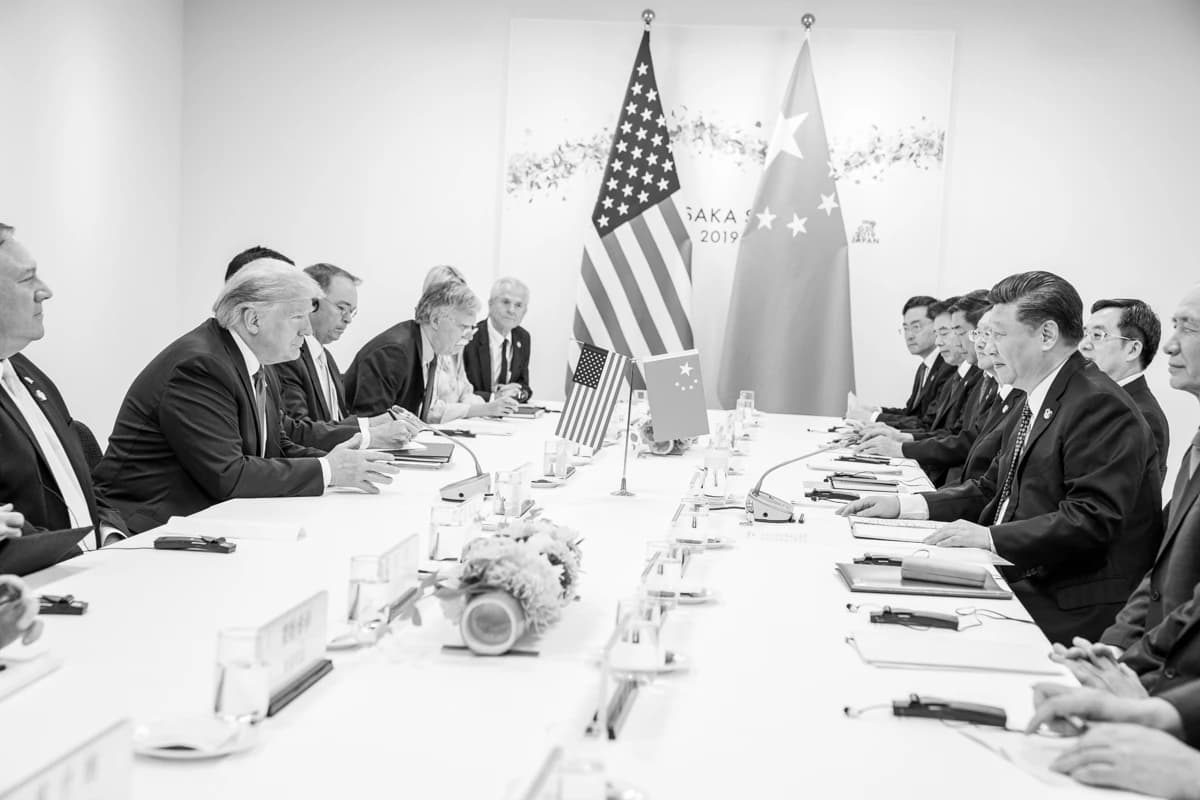
Nguyen Thanh Nghi, a senior member of the Vietnamese Communist Party leadership, met in Beijing with Wang Huning and He Lifeng, two of China’s top political and economic officials, after arriving for a working visit from Nov. 1 to 5. The talks were framed as part of efforts to deepen the “community with a shared future” between the two countries, but the practical agenda was straightforward: more balanced trade, easier access for Vietnamese products in China and faster progress on transport and energy projects.
Vietnam pushed for modern, multimodal infrastructure connectivity, including railways linking the two countries and international rail links, while also calling for more investment, power-sector cooperation, scientific and technological collaboration and training for skilled workers. Hanoi also proposed closer tourism ties under the Vietnam-China Tourism Cooperation Year 2026-2027 and a new committee for education and training.
China, for its part, said it was ready to import more Vietnamese agricultural goods and encourage more Chinese companies to invest in Vietnam. Beijing also backed deeper cooperation in border trade, smart border crossings, transnational economic zones, the digital economy and the green economy. The two sides agreed to maintain regular exchanges, speed up concrete projects and handle disputes in a way that preserves regional stability.
That mix of commerce and diplomacy is economically significant for both sides. Vietnam is trying to reduce the drag from a persistent trade imbalance with China by selling more food and farm products into the Chinese market, while also using Chinese capital and know-how to support its own industrial upgrading. China benefits from a more tightly integrated production base just across the border, with Vietnam remaining one of the region’s fastest-growing manufacturing hubs and a major destination for supply-chain diversification.
The timing also matters. Both governments have been reaffirming top-level party ties at a moment when regional supply chains remain sensitive to geopolitics, border friction and slowing external demand. For markets, that makes any improvement in rail links, customs processing, investment flows or market access more than a diplomatic headline: it can affect transport costs, factory sourcing decisions and the competitiveness of Vietnamese exporters.
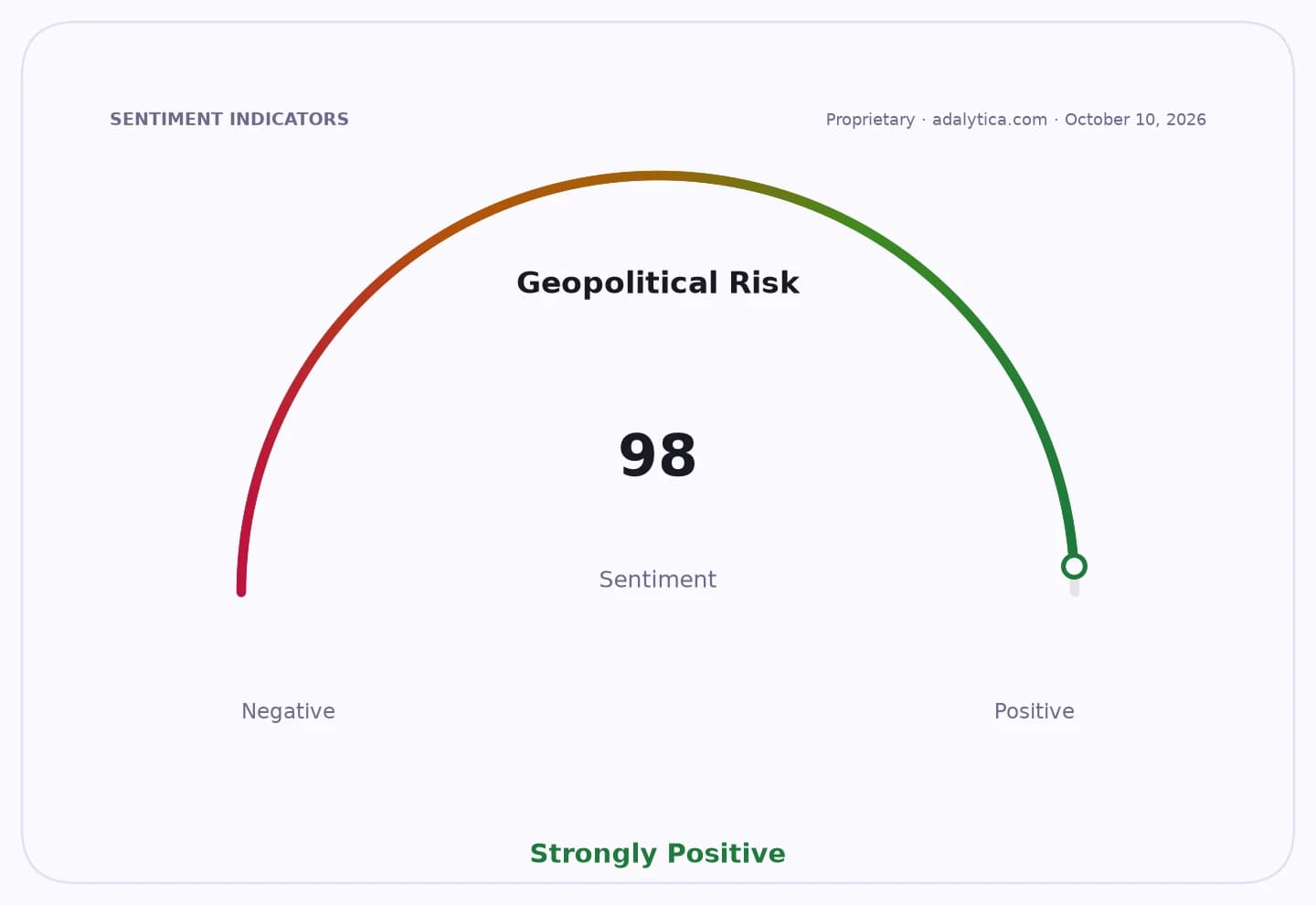
Adalytica’s US–China relations gauge was in neutral territory, while its global stability reading remained elevated, underscoring a broader environment in which countries like Vietnam are trying to preserve flexibility by deepening ties with multiple major powers. In practical terms, that means Hanoi will likely keep seeking Chinese cooperation on projects that support growth without becoming overly dependent on any single partner.
For investors, the near-term focus is whether this visit leads to concrete follow-through on rail, border and agricultural access commitments. If it does, the beneficiaries would include Vietnamese exporters, logistics operators, industrial parks and companies tied to cross-border trade. The main risk is that broad political language again outpaces delivery, leaving the trade relationship large and strategically important but only gradually translated into earnings and asset value.
| Entity | Gains | Losses |
|---|---|---|
| Vietnam exporters | ▲Better China market access | ▼Persistent trade imbalance |
| Chinese investors | ▲More Vietnam opportunities | ▼Slower project rollout |
| Logistics and rail operators | ▲Cross-border infrastructure demand | ▼Old border bottlenecks |
| Competing suppliers outside China-Vietnam corridor | ▲Less direct upside | ▼Missed integration gains |