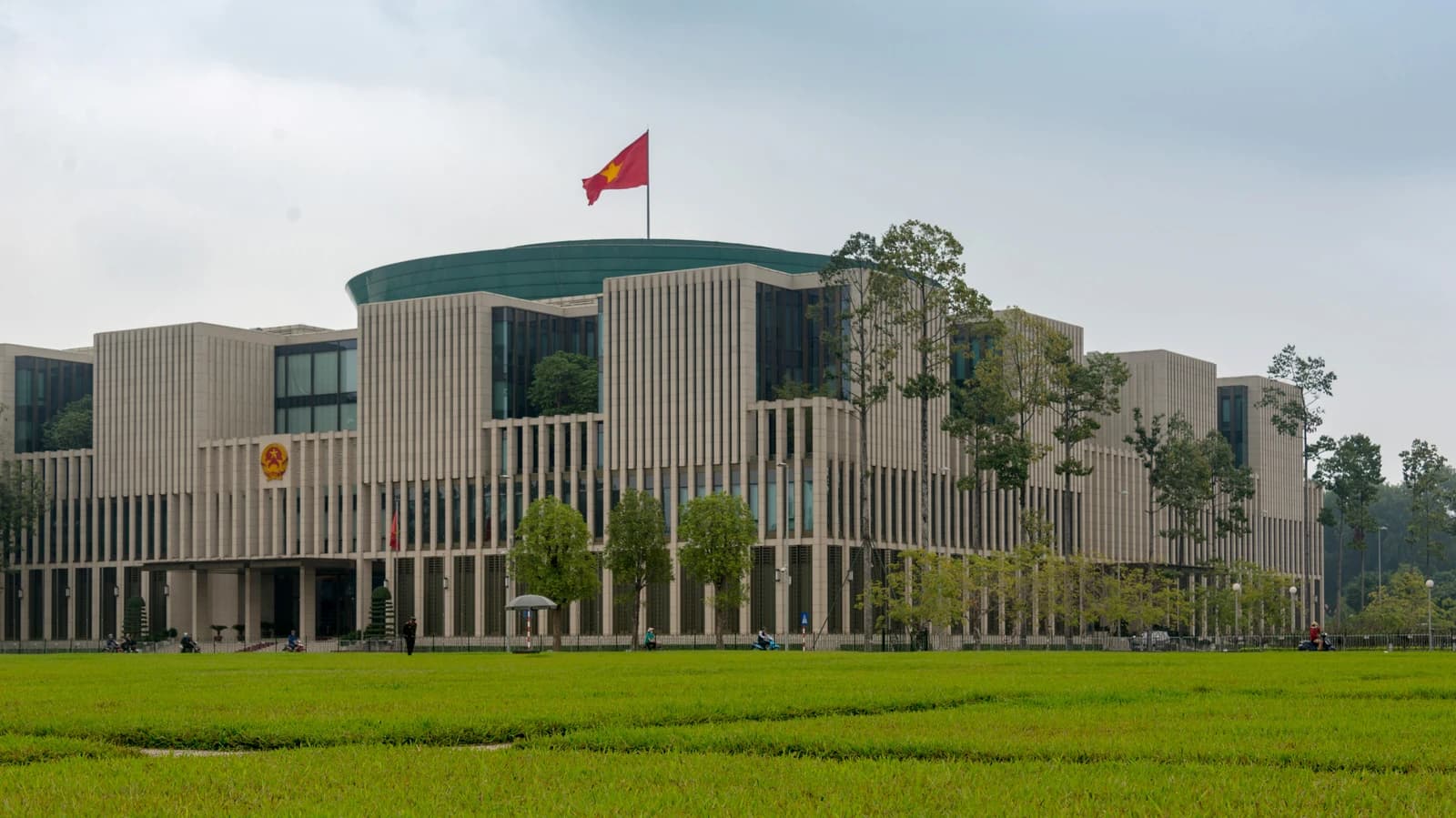
Vietnamese scholars and engineers working in China say a planned visit by National Assembly Chairman Tran Thanh Man could do more than produce diplomatic optics: it may help unlock the legal, educational and technological channels that determine whether Vietnam can tap China’s industrial and research scale over the long term.
Vietnam China visit may boost research and industry ties
That matters because the biggest economic payoff in Vietnam-China relations is no longer just trade volumes or protocol. It is access — access to advanced manufacturing know-how, AI and automation expertise, research partnerships, and a clearer framework for cross-border collaboration that lets talent, universities and companies work together without friction.
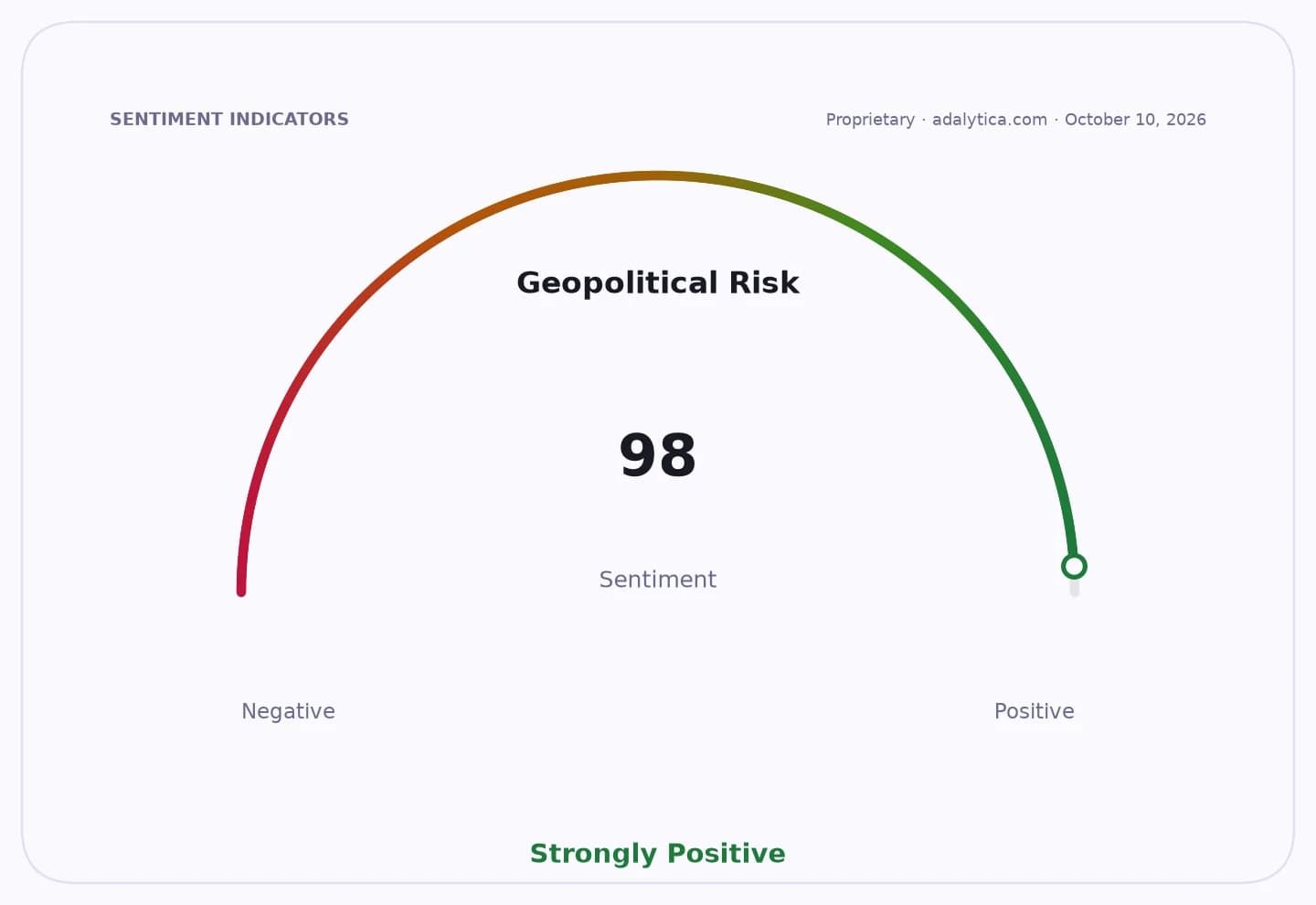
Sentiment IndicatorsⓘProprietary · adalytica.com · October 10, 2026
This is a snapshot — live sentiment, awareness and momentum for 130+ markets update continuously in the dashboard.Open AlphaPulse
The voices highlighted here point to a concrete agenda. They want the two legislatures to tighten cooperation on policy, especially rules that support science, technology, education and talent exchange. For investors, that is the part of diplomacy that can quietly matter most: when governments make it easier for researchers, engineers and firms to collaborate, the benefits can show up later in productivity, supply-chain resilience and higher-value manufacturing.
Dr. Duong Cam Vinh, a Vietnamese mechanical engineering PhD from Tsinghua University who now leads a smart technology company in Dongguan, said he hopes the visit will help create a more durable legal corridor for joint research and business projects. He pointed to China’s strength in industrial AI, intelligent manufacturing and automation, and said Vietnam needs more pilot projects, more engineer training and more practical business links so technology is not just imported, but absorbed locally.
That is the kind of cooperation investors should watch closely. Vietnam has been trying to move further up the manufacturing value chain, and China remains one of the region’s deepest reservoirs of industrial scale, equipment, suppliers and technical expertise. If parliamentary ties help smooth the rules around research funding, academic exchange and business cooperation, that could support sectors tied to automation, digital manufacturing and advanced production over time.
Associate Professor Nguyen Quoc Hung, who works at the Chinese Academy of Sciences’ Academy of Mathematics and Systems Science, framed the opportunity in similar terms. He said Vietnam could learn from China’s experience building research universities, attracting talent, financing long-term science and linking campuses with enterprise. He also wants more collaboration on scholarships, postdoctoral exchanges and joint research groups, especially in basic science and AI.
For the market, the near-term impact is not likely to be dramatic. But the strategic significance is real. Vietnam’s growth story depends heavily on moving beyond low-cost assembly, while China is increasingly looking to deepen its regional partnerships as competition with the West remains strained. That combination makes educational, legislative and scientific cooperation a useful — and potentially underappreciated — lever for both sides.
Adalytica’s US-China relations gauge still shows extreme fear, underscoring how fragile broader geopolitical sentiment remains. Against that backdrop, even modest improvements in Vietnam-China institutional ties can stand out as stabilizing. In long-term investing terms, stability and predictability are often the quiet prerequisites for compounding.
For investors, the takeaway is simple: watch the visit for signs of follow-through, not ceremony. If it produces more exchange programs, clearer cooperation rules and more practical links between universities and industry, the beneficiaries could include Vietnamese manufacturers, education and technology ecosystems, and regional businesses that depend on smoother cross-border collaboration. That makes this a development worth keeping on the watchlist.
| Entity | Gains | Losses |
|---|---|---|
| Vietnam’s universities and researchers | ▲More exchanges and funding channels | ▼Slower access to partners |
| Vietnamese manufacturers | ▲Better tech transfer and training | ▼Higher innovation gap |
| Chinese research and industry groups | ▲Deeper regional cooperation | ▼Fewer institutional links |
| Investors in Vietnam’s long-term growth story | ▲Better policy visibility | ▼Uncertainty if talks stall |