Young Vietnamese businesses are entering the growth race with one clear requirement: show the market, not just the idea.
Vietnam Young Entrepreneurs Contest Rewards Traction

That is the real significance of the Creative Young Entrepreneur 2026 contest, which has named five finalists that already have products or services in circulation and, in several cases, revenue, exports and customer networks to prove it. In a region where too many startup pitches still lean on ambition alone, this contest is rewarding something investors care about far more: evidence of commercial traction.
Sentiment IndicatorsⓘProprietary · adalytica.com · October 11, 2026
This is a snapshot — live sentiment, awareness and momentum for 130+ markets update continuously in the dashboard.Open AlphaPulse
The finalists span biomass packaging, microbiology for aquaculture, AI-driven family care, heritage tourism and specialty coffee. That diversity matters because it says young founders are not only chasing trendy sectors; they are attacking practical problems in logistics, agriculture, travel and consumer services. Those are the kinds of businesses that can compound over time if they find repeat customers and defendable economics.
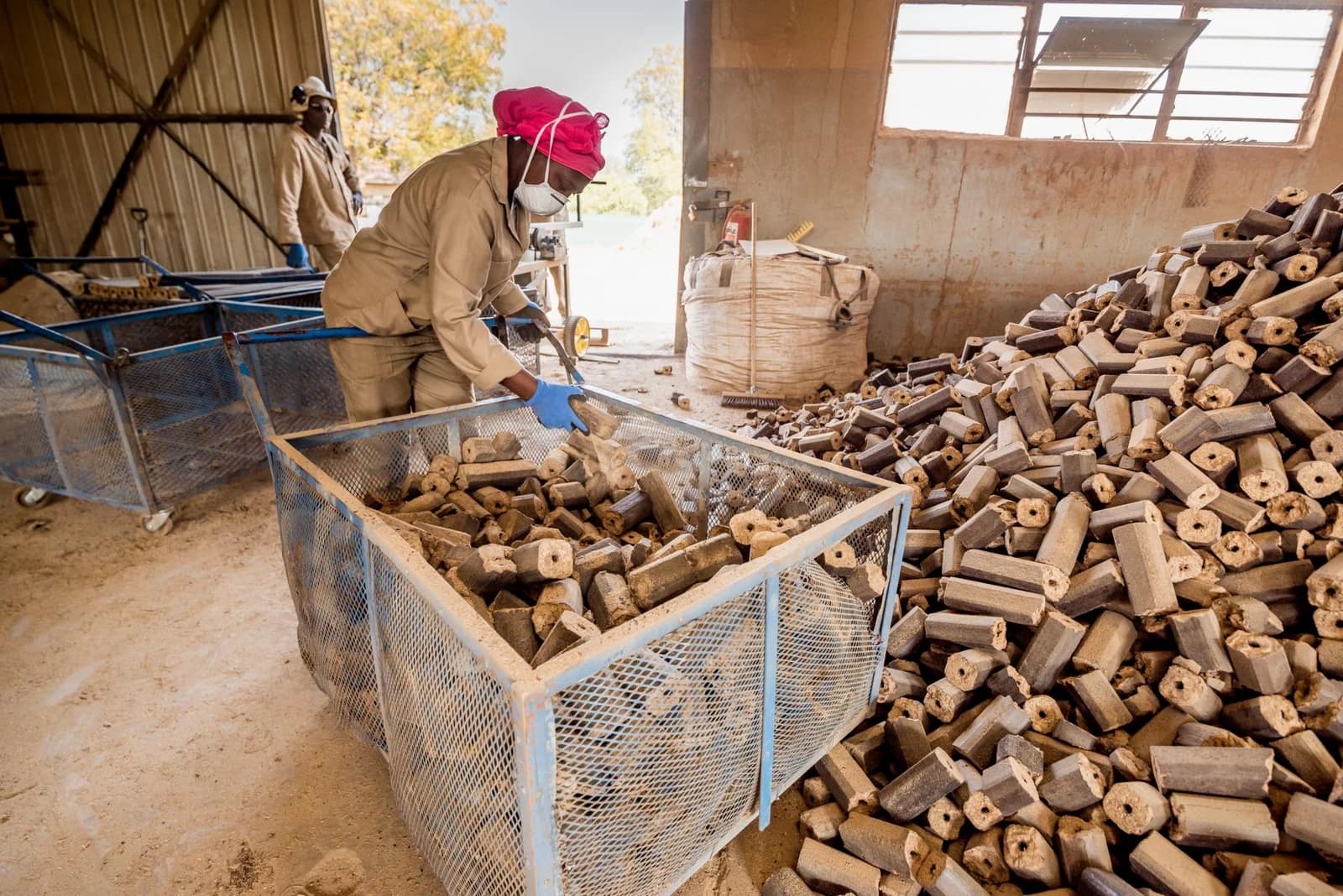
AirX Carbon, for example, says revenue rose about sixfold from 2023 to 2025 as its NetZero Pallet moved into markets including Singapore, Japan, South Korea, Australia and the U.S. Real Bean Coffee has linked directly with more than 200 farmers across roughly 130 hectares and lifted revenue from about $116,000 in 2020 to about $480,000 in 2024. Ngự Thuyền Hueritage says its river tourism offering in Hue has generated 5 billion to 10 billion dong a year, while Mamibabi has already commercialized its AI-enabled family-care platform.
For investors, that is the key shift. A venture that can sell, export and scale through partners is a very different asset from a promising slide deck. Businesses that are already in the market can be tested on margins, customer acquisition costs, operating discipline and resilience through slow periods. Those are the ingredients that eventually determine whether a young company becomes a durable compounder or simply a well-marketed experiment.
The contest also reflects something broader about Vietnam’s private sector. As domestic growth increasingly depends on entrepreneurship, the most valuable young companies will be the ones that turn local strengths into scalable business models. That can mean turning agricultural byproducts into logistics products, bringing microbiology to shrimp farms, or packaging cultural assets into repeatable tourism experiences. In other words, innovation here is not abstract. It is commercial.
That matters beyond the competition stage. JCI’s Creative Young Entrepreneur program gives winners a path into regional and global rounds, which could help open doors to investors, mentors and overseas markets. The best finalists are not just preparing for a trophy; they are building the kind of operating record that can unlock expansion capital and partnerships later.
For long-term investors, the lesson is straightforward: watch for businesses that can prove demand before they chase scale. In emerging markets, that discipline is often what separates a promising young company from a lasting one. This is a contest worth following.
| Entity | Gains | Losses |
|---|---|---|
| Finalist young businesses | ▲Market validation | ▼Idea-only startups |
| Investors | ▲Proven traction | ▼Speculative pitch-stage bets |
| Vietnam’s private sector | ▲New growth engines | ▼Purely informal business models |
| ASEAN expansion pathway | ▲Regional visibility | ▼Locally trapped ventures |