Vietnam’s push for sustainable production is starting to look less like a policy slogan and more like a cost-saving business model, with Vinamilk and Heineken Vietnam showing how cleaner operations can also protect margins, cut waste and secure access to scarce resources.
Vinamilk, Heineken Vietnam Cut Costs with Green Ops
That matters because the biggest winners in the next phase of Asia’s industrial growth may not be the companies that produce the most, but the ones that produce with the least energy, water and emissions. In a country trying to expand manufacturing while managing climate risk and resource constraints, efficient production is quickly becoming a competitive advantage rather than a compliance burden.

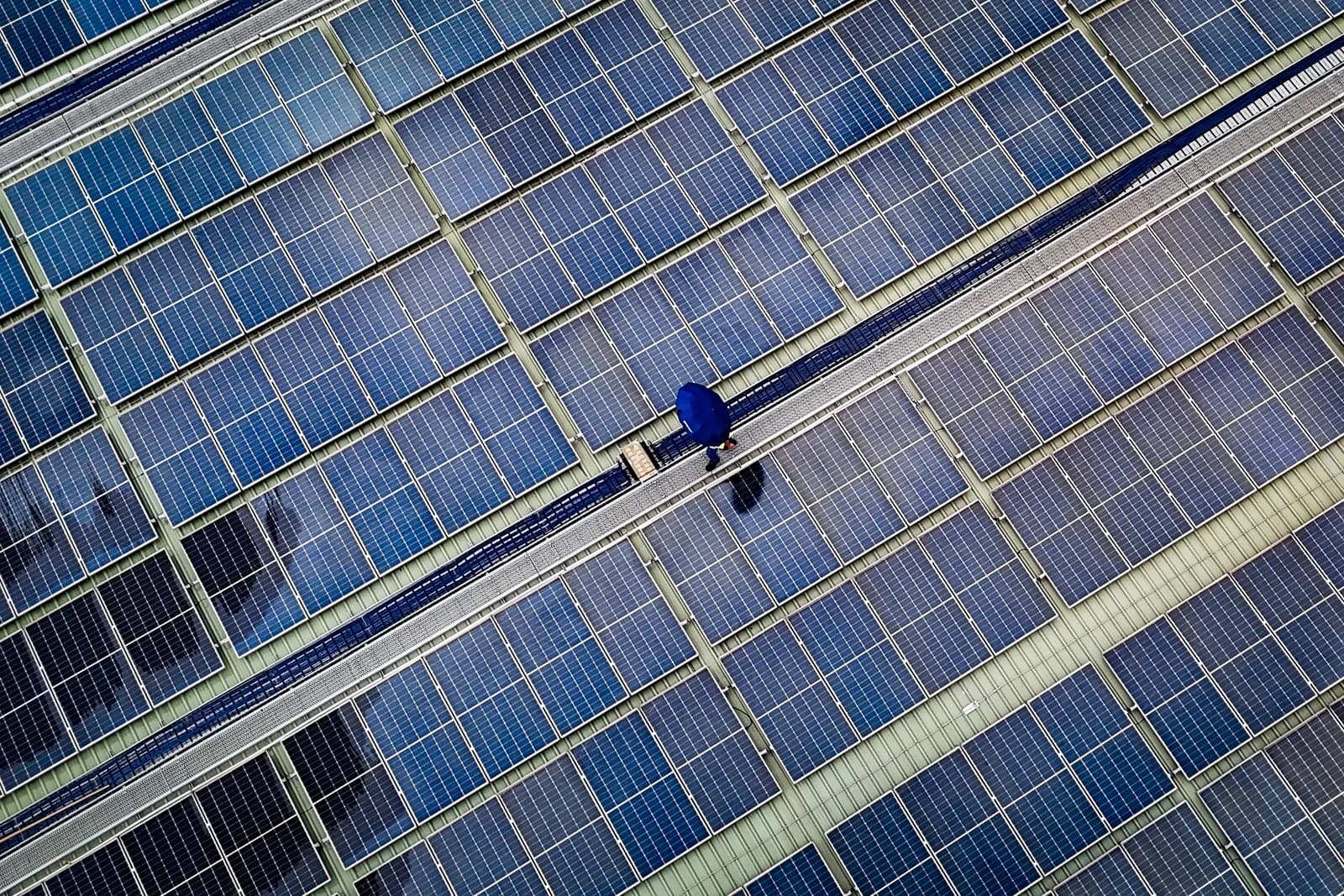
Vinamilk said it now runs a closed-loop model across 16 factories and 15 farms, with all facilities carrying out greenhouse-gas inventories and applying ISO 50001 energy management standards. By leaning on biogas, biomass, solar power and natural gas, the dairy group said it has cut fossil-fuel use by nearly 90%. It also said three subsidiaries have obtained international carbon-neutral certification, while 85% of livestock wastewater is reused for crop farming and all discharged industrial wastewater meets regulatory standards.
The economics are straightforward. Every unit of energy saved and every ton of waste turned into input lowers operating costs, reduces exposure to fuel volatility and strengthens long-term resilience. Vinamilk’s biogas model, which it says can process one ton of livestock waste into value equivalent to 87,500 dong while also supplying enough energy for nine hours of cooking and reducing methane emissions, is exactly the kind of circular production investors increasingly want to see in consumer staples and agribusiness.
Heineken Vietnam is making a similar case from the beverage side. Its Vung Tau brewery, the largest in Southeast Asia, is using heat-pump technology and automated fermentation systems to improve water and energy efficiency. Through a public-private water conservation partnership with WWF Vietnam, Heineken said it has offset 2.2 billion liters of water a year and reached 100% water balance at plants in Tien Giang, Hanoi and Ho Chi Minh City.
For investors, the message is bigger than two companies. Sustainable production is moving from a branding exercise to an operational discipline that can support free cash flow, reduce regulatory risk and extend the life of key assets. That is especially important for food, beverage and industrial names operating in water- and energy-intensive businesses, where efficiency gains can compound for years.
The broader narrative is that Vietnam’s green-growth strategy is beginning to show up in corporate execution. The government’s sustainable production and consumption program is pushing companies to use resources more efficiently, recycle more and build cleaner supply chains. Businesses that adapt early may win lower costs, stronger customer loyalty and better financing access as lenders and global buyers increasingly reward measurable environmental performance.
There are limits, of course. Not every company can replicate Vinamilk’s scale or Heineken’s technology investments overnight, and the upfront costs of decarbonization still matter. But for long-term investors, that is exactly why the best operators stand out: they turn sustainability into a durable moat.
In the years ahead, Vietnam’s green-growth leaders could be the ones best positioned to outgrow their peers. For investors looking at consumer, industrial and infrastructure opportunities in the region, these are the kinds of businesses worth watching and, for patient holders, possibly adding to a long-term watchlist.
| Entity | Gains | Losses |
|---|---|---|
| Vinamilk | ▲Lower fuel costs, stronger efficiency | ▼Fossil-fuel dependence |
| Heineken Vietnam | ▲Better water balance, lower utility use | ▼Resource-intensive brewing model |
| Vietnam government | ▲More sustainable industrial growth | ▼Slower adoption by laggards |
| Long-term investors | ▲Higher-quality compounders | ▼Companies facing higher transition costs |