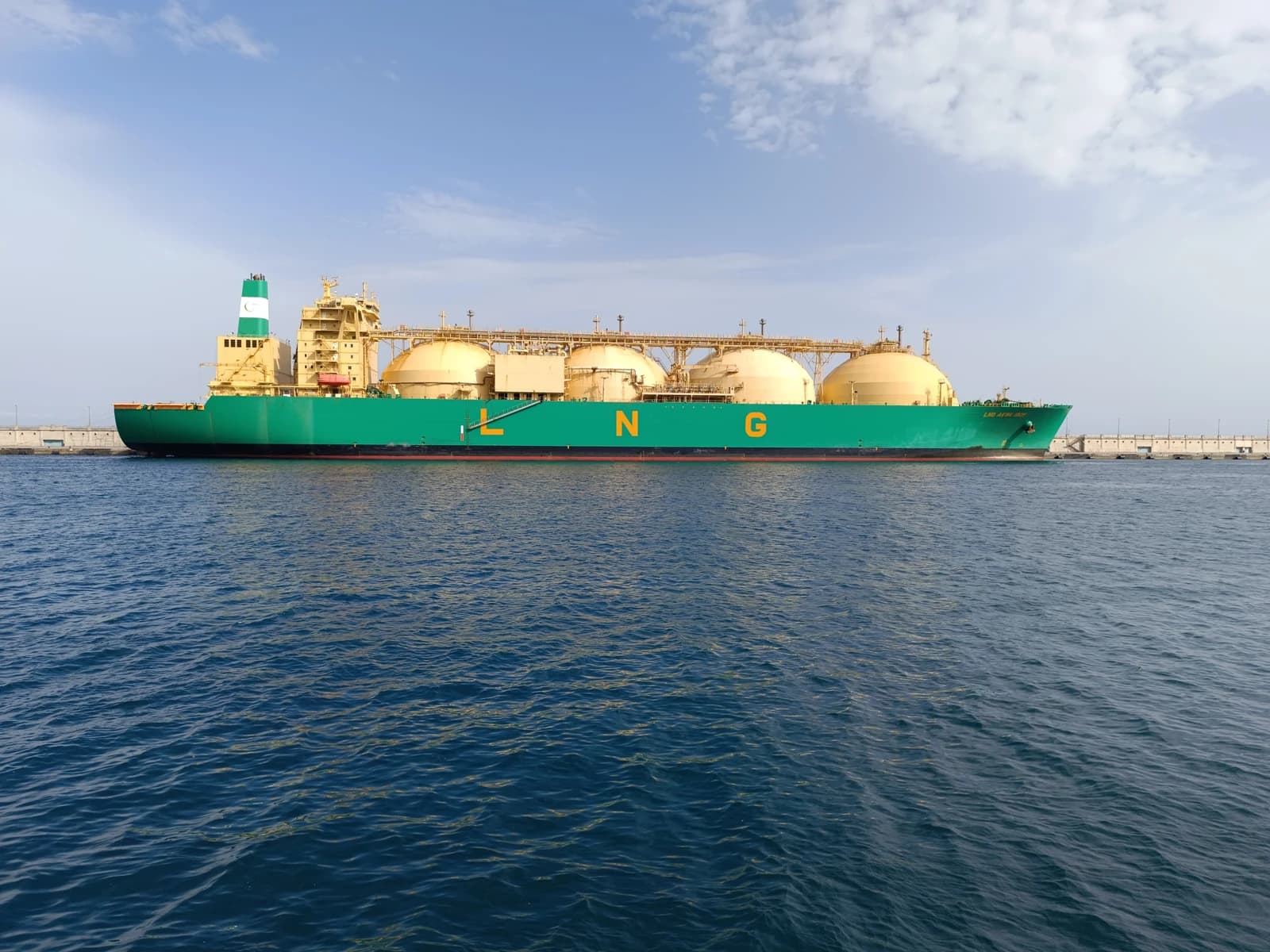
PV GAS is widening its push to secure more gas and LNG supply at home and abroad, using long-standing partnerships with Japanese, Russian and regional players to build a more integrated energy chain in Vietnam.
PV GAS expands LNG supply talks with ENEOS and Novatek
The move matters because Vietnam’s gas market is shifting from declining domestic output toward imported LNG, making supply security, infrastructure and flexible sourcing central to power generation, industrial demand and pricing. For investors, that means PV GAS is not just shopping for cargoes but trying to lock in the assets, contracts and technical know-how needed to stay relevant as the country’s gas mix changes.
PV GAS said it and ENEOS Xplora are looking at broader cooperation across gas and LNG, including optimizing associated gas from Block 15-2, where the companies renewed a gas sales agreement in 2025 under a new PSC through 2050. The block has delivered about 5.4 billion cubic meters of gas to shore over more than 22 years, and the partners are also examining FSRU options, LNG access and use of PV GAS’s existing pipeline network.
That is economically important because it extends the life of existing upstream infrastructure while lowering the urgency — and cost — of building entirely new supply routes. It also gives PV GAS a chance to connect imported LNG with its onshore system and customers in power and industry, a more valuable model than selling gas as a stand-alone commodity.
PV GAS is also in discussions with Novatek under a memorandum between Petrovietnam and the Russian producer, focusing on LNG supply-chain operations, workforce training and technology transfer. The two sides discussed the possibility of Novatek supplying LNG to PV GAS and said they see room to cooperate on international LNG tenders and potential LNG hubs in northern Vietnam.
Those talks come as global LNG markets remain tight and highly geopolitical, with buyers increasingly competing for flexible cargoes and infrastructure capacity. Any credible additional supply channels could improve PV GAS’s bargaining power, while also reducing Vietnam’s exposure to spot-market volatility.
Separately, PV GAS and TGA, which has been a partner for more than a decade and owns a 25% stake in PV GAS D, discussed new opportunities in energy infrastructure and clean-energy solutions. The companies have been working together since a 2012 LNG cooperation pact and have expanded ties into downstream gas distribution, giving PV GAS a Japanese-backed route into technology, operations and infrastructure expertise.
The broader narrative is clear: PV GAS is trying to turn itself into an integrated gas-and-LNG platform rather than a conventional pipeline and trading company. The next catalysts are likely to be concrete LNG sourcing deals, progress on northern LNG hubs and any decision to advance FSRU or other import infrastructure.
| Entity | Gains | Losses |
|---|---|---|
| PV GAS | ▲Wider supply options | ▼Higher execution burden |
| ENEOS Xplora | ▲Longer-term Vietnam access | ▼Limited near-term scale |
| Novatek | ▲Potential LNG sales | ▼Uncertain contract timing |
| LNG buyers in Vietnam | ▲Better supply security | ▼Continued import dependence |