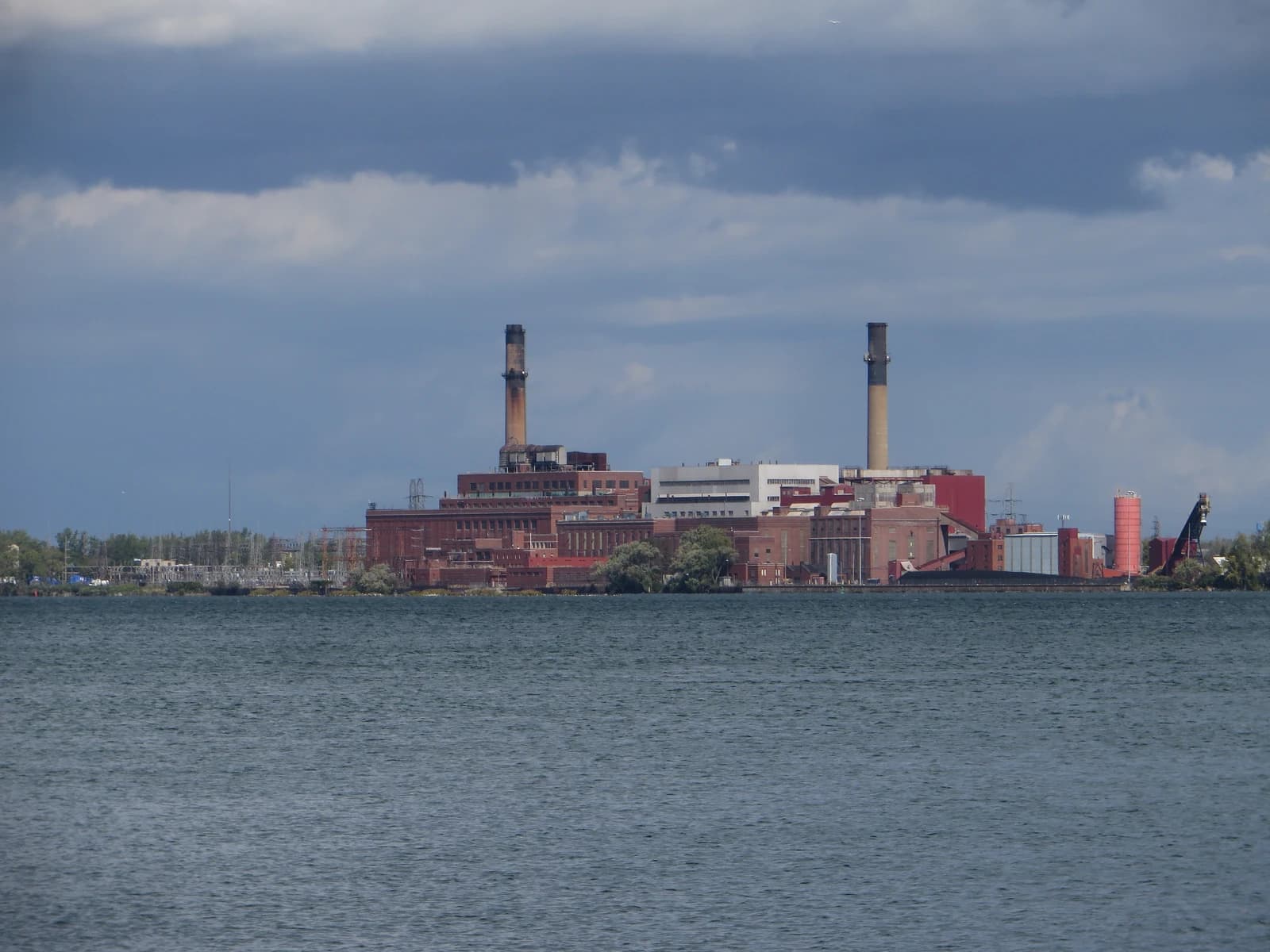
Vietnam’s coal-fired power producers are set for better output and earnings as El Nino threatens hydropower supply and the country faces a widening electricity shortfall from 2027, even as their shares remain largely overlooked by investors.
Vietnam Coal Power Producers Face Higher Dispatch
The investment case has shifted from a cyclical rebound in power demand to a more structural supply squeeze. Vietnam’s industry ministry now sees the national power system basically meeting demand in 2026, but updated calculations point to a capacity shortfall of about 4,256 MW and an energy deficit of 2.9 billion kWh in 2027, widening to 13,964 MW and 61.18 billion kWh by 2030. In that environment, coal plants are likely to be dispatched more heavily, especially if El Nino curbs rainfall and hydropower output, which has accounted for roughly a quarter to just under 30% of generation capacity in recent years.
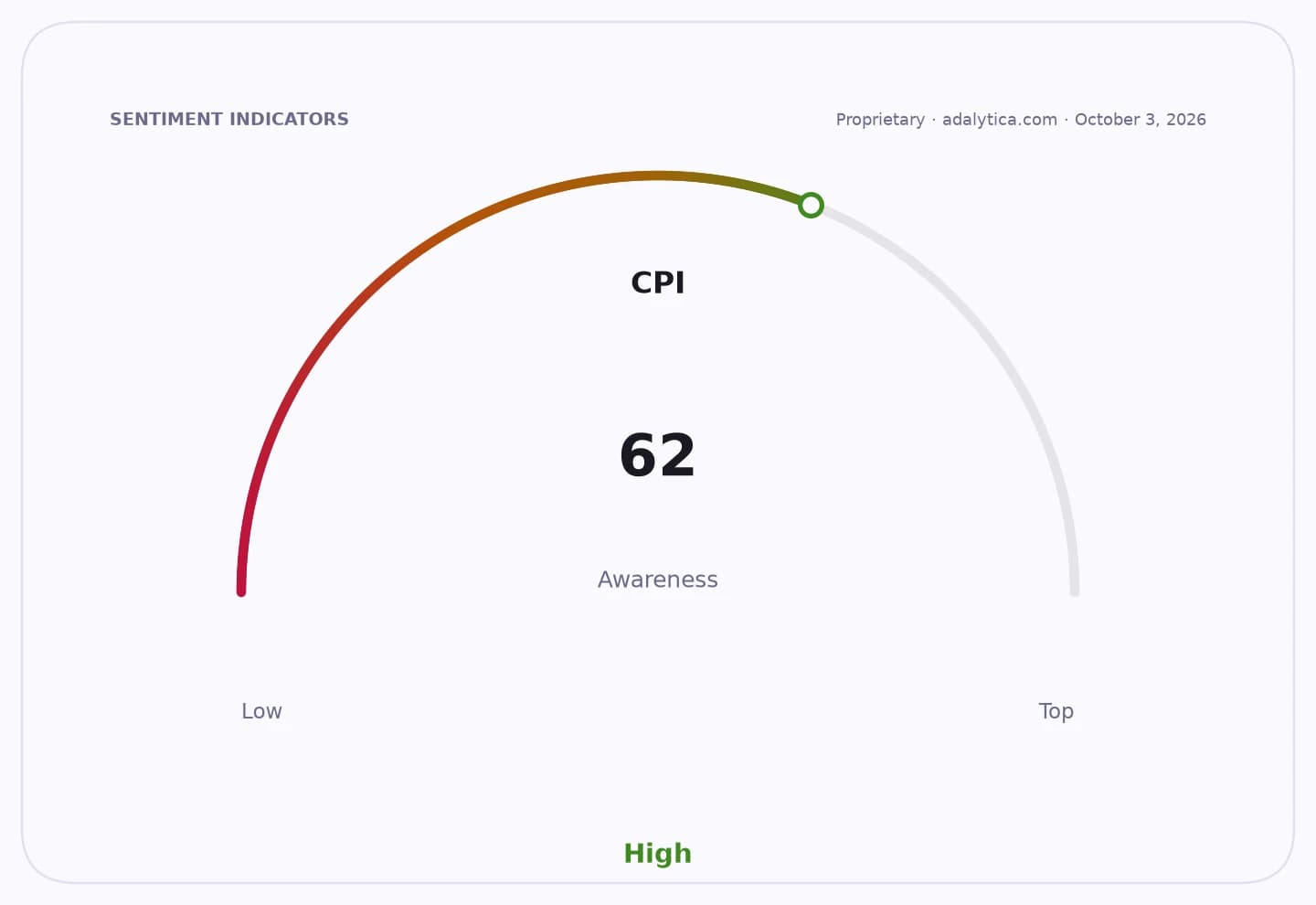
Sentiment IndicatorsⓘProprietary · adalytica.com · October 6, 2026
This is a snapshot — live sentiment, awareness and momentum for 130+ markets update continuously in the dashboard.Open AlphaPulse
That matters because the north of Vietnam faces a particular bottleneck: even when the country has spare capacity elsewhere, transmission constraints on the 500-kV north-central grid limit how much power can be moved to where it is needed. The ministry said many planned projects under the adjusted PDP VIII remain unfinished or not yet approved, with only about 5% of reviewed capacity operational and around 45% still awaiting investment approval. For coal generators, the lag in new supply is the same thing as an extended period of higher utilization.
The immediate evidence is already visible in dispatch data. In the first eight months of the year, Vietnam’s total electricity generation and imports rose 9.3% from a year earlier to 235.82 billion kWh, while coal-fired output climbed 12.6% to 119.24 billion kWh, or 50.6% of the total. Hydropower fell 6% to 58.62 billion kWh, or 24.9%. Higher market prices are reinforcing the trend: the average competitive generation market price rose 37% to VND1,430 per kWh in the period, and Vietcap expects it to increase further to VND1,532 in 2027 if shortages and El Nino persist.
For listed coal producers, the appeal is less about a dramatic rerating and more about cash flow durability. Many plants are old, debt-light and heavily depreciated, which can turn higher dispatch into outsized profit and dividend capacity. Quang Ninh Thermal Power, Hai Phong Thermal Power and Pha Lai Thermal Power all have most of their original fixed-asset costs already depreciated, reducing book depreciation charges and supporting earnings leverage if generation stays high. First-half results already point in that direction: PPC’s profit nearly tripled to VND166 billion, NBP’s rose 89%, HND’s increased 24.5% and QTP’s climbed 44%.
But the stock-market reaction has been muted. Coal names in Vietnam have generally traded quietly with low liquidity, suggesting the market is not pricing a full cyclical re-rating despite the stronger operating backdrop. That leaves room for two readings. The bull case is that higher dispatch, firmer power prices and limited new supply support steady earnings and attractive payouts. The bear case is that coal prices remain a margin risk and investor attention stays elsewhere, capping the upside in share prices even if fundamentals improve.
For investors, the key question is not whether coal plants benefit from a tighter grid and weaker hydropower — they likely do — but whether that benefit translates into valuation gains or simply better dividends and steadier cash generation. The next catalyst will be how quickly the power deficit materializes from 2027 and whether El Nino-endorsed shortages force a more sustained rise in coal dispatch and market prices.
| Entity | Gains | Losses |
|---|---|---|
| Coal-fired power producers | ▲Higher dispatch, stronger cash flow | ▼Coal price pressure |
| Hydropower operators | ▲— | ▼Lower rainfall, weaker output |
| Power consumers | ▲— | ▼Higher electricity costs, tighter supply |
| Vietnam grid/planners | ▲Incentive to accelerate investment | ▼Shortfall risk, transmission bottlenecks |