Quang Ninh’s plan to build five new petroleum reserve warehouses is a supply-chain move with far broader economic implications than a local infrastructure project: it would deepen northern Vietnam’s fuel buffer, support industrial activity and reduce the risk that volatile global oil markets spill into coal, transport, construction and tourism.
Quang Ninh plans five new petroleum storage warehouses
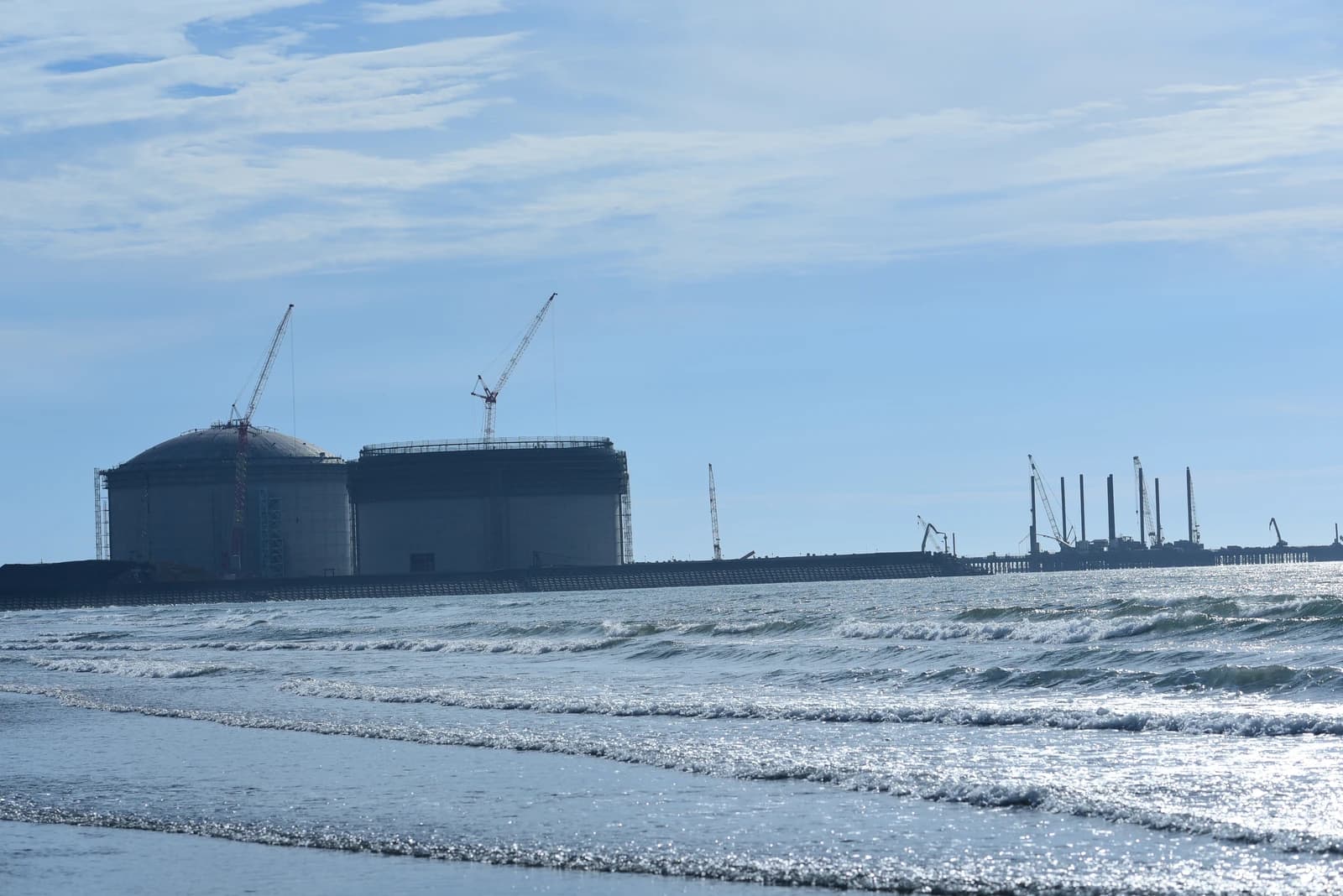
The province says the new warehouses would add 346,000 to 376,000 cubic meters of storage, roughly matching the scale of its existing five depots, which together hold nearly 337,000 cubic meters. In a region where annual petroleum inventory and circulation are estimated at 4.4 million to 4.6 million cubic meters, that is meaningful added resilience. For investors, the message is clear: in an era of geopolitical risk and tighter energy logistics, storage capacity is becoming a strategic asset, not a back-office utility.
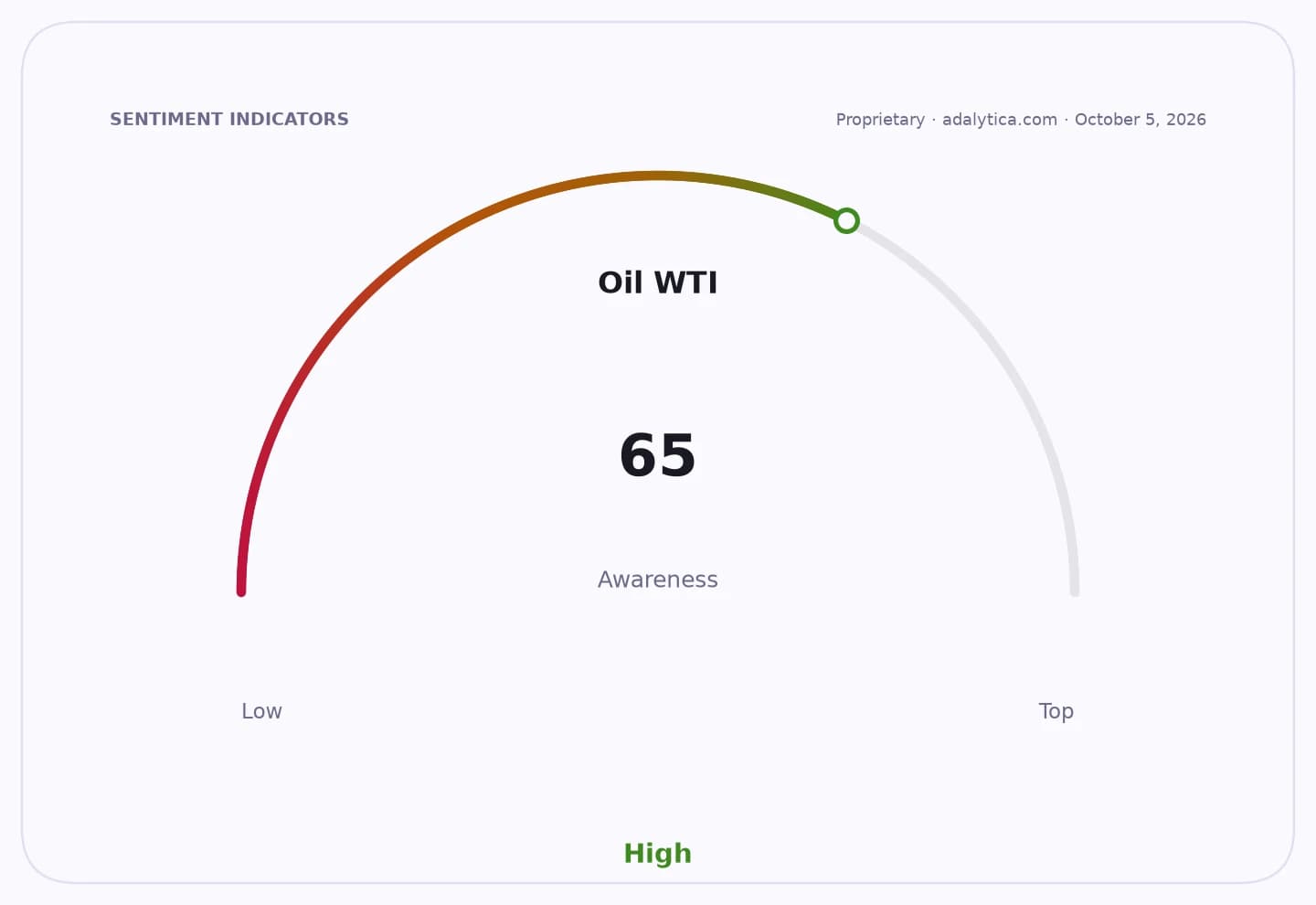
Sentiment IndicatorsⓘProprietary · adalytica.com · October 6, 2026
This is a snapshot — live sentiment, awareness and momentum for 130+ markets update continuously in the dashboard.Open AlphaPulse
Quang Ninh is already one of northern Vietnam’s most important fuel hubs. It has B12 Port, which can receive vessels up to 40,000 DWT and handles 6 million cubic meters a year, more than 500 kilometers of interprovincial pipelines and over 180 retail fuel outlets onshore and offshore. The province expects 2026 registered fuel business demand to reach 4.632 million cubic meters, including about 1.25 million cubic meters for local use. That local demand matters because Quang Ninh’s economy is anchored by coal mining, earthworks, power generation and Ha Long Bay tourism — sectors that cannot afford fuel interruptions.
The economics are straightforward. More storage means better supply security, less exposure to short-term import disruptions and a stronger position in price negotiations when global crude markets tighten. It also turns Quang Ninh into an even more important redistribution point for northern provinces including Hanoi, Hai Phong, Bac Ninh, Hung Yen, Hoa Binh and Ninh Binh. In other words, this is not just about one province keeping its tanks full; it is about reinforcing a regional energy artery that supports manufacturing and logistics across the north.
The timing is important. Quang Ninh says it is moving after crude prices rose sharply as Middle East tensions escalated, lifting transport and input costs for fuel-intensive industries. That is exactly the kind of shock that exposes thin inventories and weak logistics. The province says it has so far avoided any supply-chain break, but it is also stepping up enforcement against hoarding, false pricing and illegal fuel trading. That suggests policymakers understand the market is only as stable as its storage and compliance regime.
For investors, the trade is in the second-order beneficiaries. Fuel storage, pipelines, port infrastructure and industrial logistics all stand to benefit from a more security-focused procurement cycle. Energy distributors with regional scale, engineering firms tied to tank farm construction, and logistics operators serving coal, power and tourism could all see longer-duration demand. The broader oil market message is also constructive for energy infrastructure: when geopolitical risk rises and governments respond by building buffers, capex follows.
The market underestimates how often energy security spending becomes durable capital allocation rather than a one-off response. Quang Ninh’s plan fits a global pattern: governments are rethinking strategic reserves, storage, enforcement and transport redundancy after repeated supply shocks. If executed on schedule, these five warehouses would not just improve Quang Ninh’s energy resilience — they would strengthen the province’s role as the northern gatekeeper for Vietnam’s fuel system.
For investors looking for the asymmetric angle, the thesis is simple: follow the storage, the pipelines and the logistics chain, because in a tighter energy world, infrastructure that keeps fuel moving tends to outperform the headline price of fuel itself.
| Entity | Gains | Losses |
|---|---|---|
| Quang Ninh province | ▲Energy security, regional leverage | ▼None materially |
| Fuel storage and logistics builders | ▲New capex pipeline | ▼No immediate downside |
| Northern industrial users | ▲Fewer supply disruptions | ▼Dependence on global prices remains |
| Oil buyers/importers | ▲Better inventory resilience | ▼Hoarding/speculation opportunities |