China’s expanding role in Africa is becoming less about broad development rhetoric and more about who controls the continent’s capital flows, infrastructure and commodity chain, with direct implications for miners, builders and governments across the region.
China’s Africa role and copper miners

That matters because Africa is increasingly a battleground for resource security, export financing and strategic influence at a time when global growth is slowing, energy markets remain tight and policymakers are trying to secure critical minerals for the transition to cleaner power. The narrative in the supplied material is polemical, but the underlying economic point is that Chinese firms and financing have become embedded in African project pipelines and extractive industries, giving Beijing outsized leverage in markets that remain short of domestic capital.
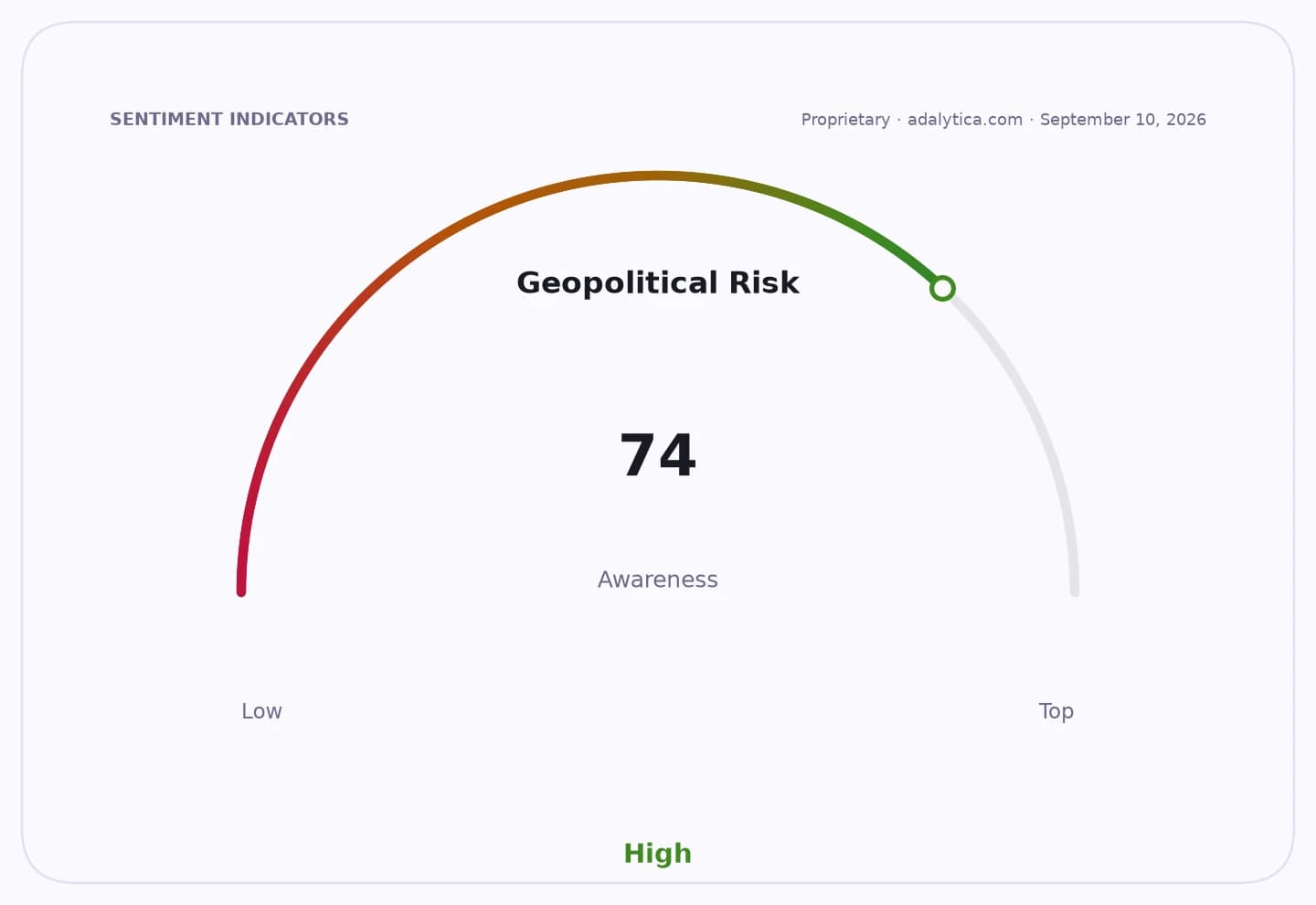
Sentiment IndicatorsⓘProprietary · adalytica.com · September 5, 2026
This is a snapshot — live sentiment, awareness and momentum for 130+ markets update continuously in the dashboard.Open AlphaPulse
The market angle is clearest in mining. Copper producers such as Freeport-McMoRan, BHP and Rio Tinto remain levered to African output and to the infrastructure buildout that Chinese capital helps finance. Freeport’s shares have surged to about $72.73 from $40.45 in October, while BHP trades near $90.42 and Rio around $103.27, reflecting a broader bid for commodities tied to electrification and construction. Copper has also held up despite uneven manufacturing data, and company filings show producers still see long-term demand support from the energy transition even as higher freight and energy costs weigh on near-term recovery.
That is why Africa’s relationship with China matters beyond diplomacy. Chinese-backed infrastructure projects can unlock ports, airports, roads and power networks that make mining and trade viable, but they also concentrate contract flow, debt exposure and operating dependency. For host governments, the upside is faster project delivery and access to funding when Western capital is scarce or slower-moving. The downside is weaker bargaining power, limited local employment creation and greater exposure if project quality or loan terms disappoint.
The risks are not trivial. The supplied text points to concerns over project durability and environmental damage, including habitat loss and ivory trafficking, though the broader investment story is more about governance and execution. Chinese construction and resource firms have won work across the continent because they are often willing to finance, build and operate at scale, but that model can leave African states with fewer domestic supply-chain gains than promised. It also means local politics increasingly intersect with foreign industrial policy.
For investors, the key takeaway is that Africa should be read less as a standalone frontier-growth theme and more as a strategic extension of China’s resource and industrial system. That supports selected miners, equipment suppliers and contractors, while raising country-risk premiums where debt, political backlash or project quality become issues. The main catalysts to watch are commodity prices, Chinese credit conditions, African debt sustainability and whether local governments push back on the scale of foreign control.
| Entity | Gains | Losses |
|---|---|---|
| China-backed miners and contractors | ▲More project awards | ▼Higher political backlash |
| African governments | ▲Faster infrastructure buildout | ▼Weaker bargaining power |
| Global miners tied to copper | ▲Better long-term demand | ▼Near-term volatility |
| Local labor and suppliers | ▲Some job creation | ▼Limited high-value capture |