A push in South Sumatra to turn coal-dependent areas into broader economic hubs is drawing attention because the shift will determine whether the energy transition destroys jobs or creates new ones in Indonesia’s mining heartland.
South Sumatra coal transition policy forum
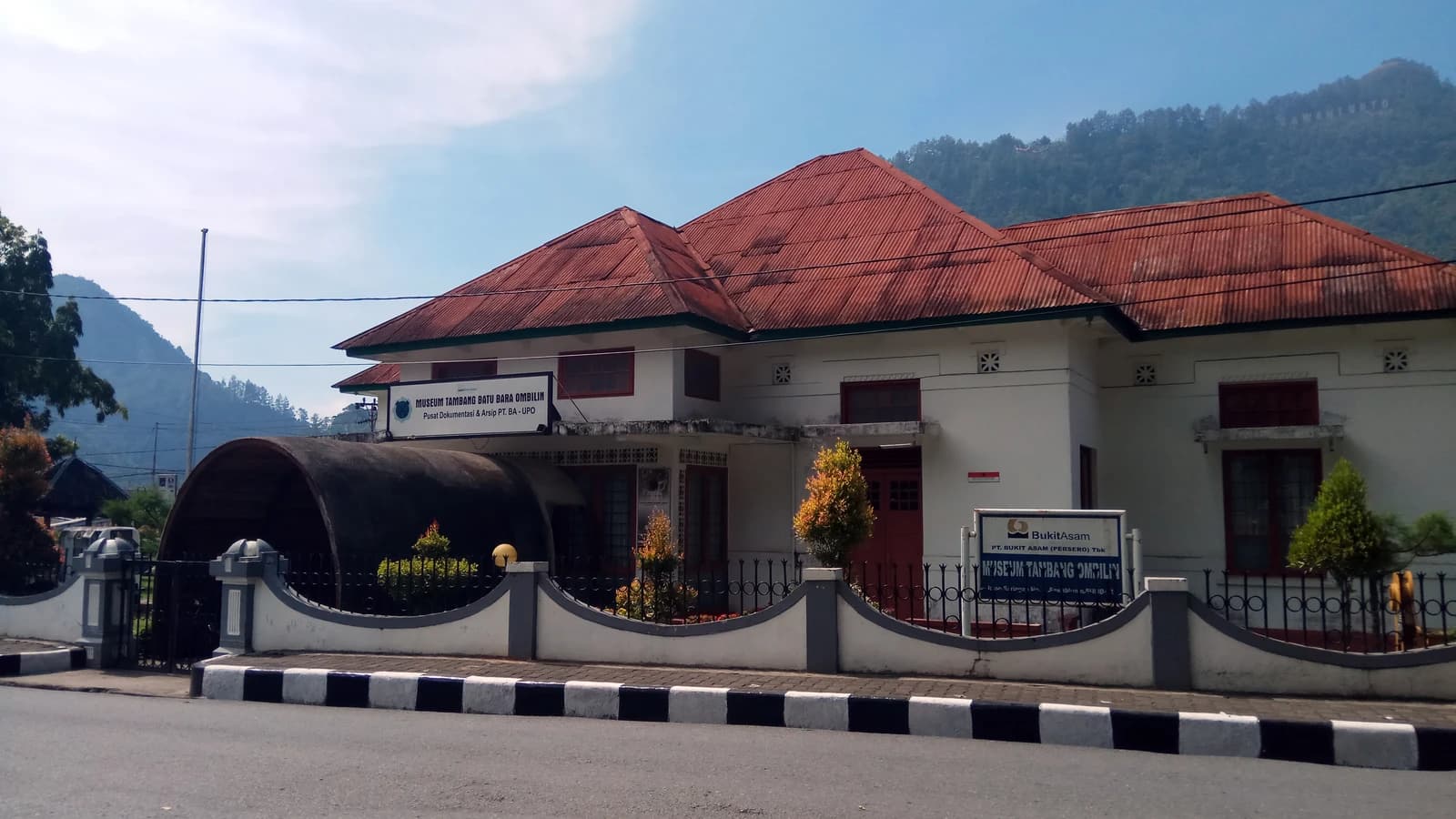
The discussion in Palembang this week centered on a simple economic risk: phasing out coal without a plan for workers, suppliers and local businesses could leave districts more exposed to unemployment and weaker growth. Organizers said the goal is to ensure the transition to cleaner energy also supports communities that have long depended on coal revenue.
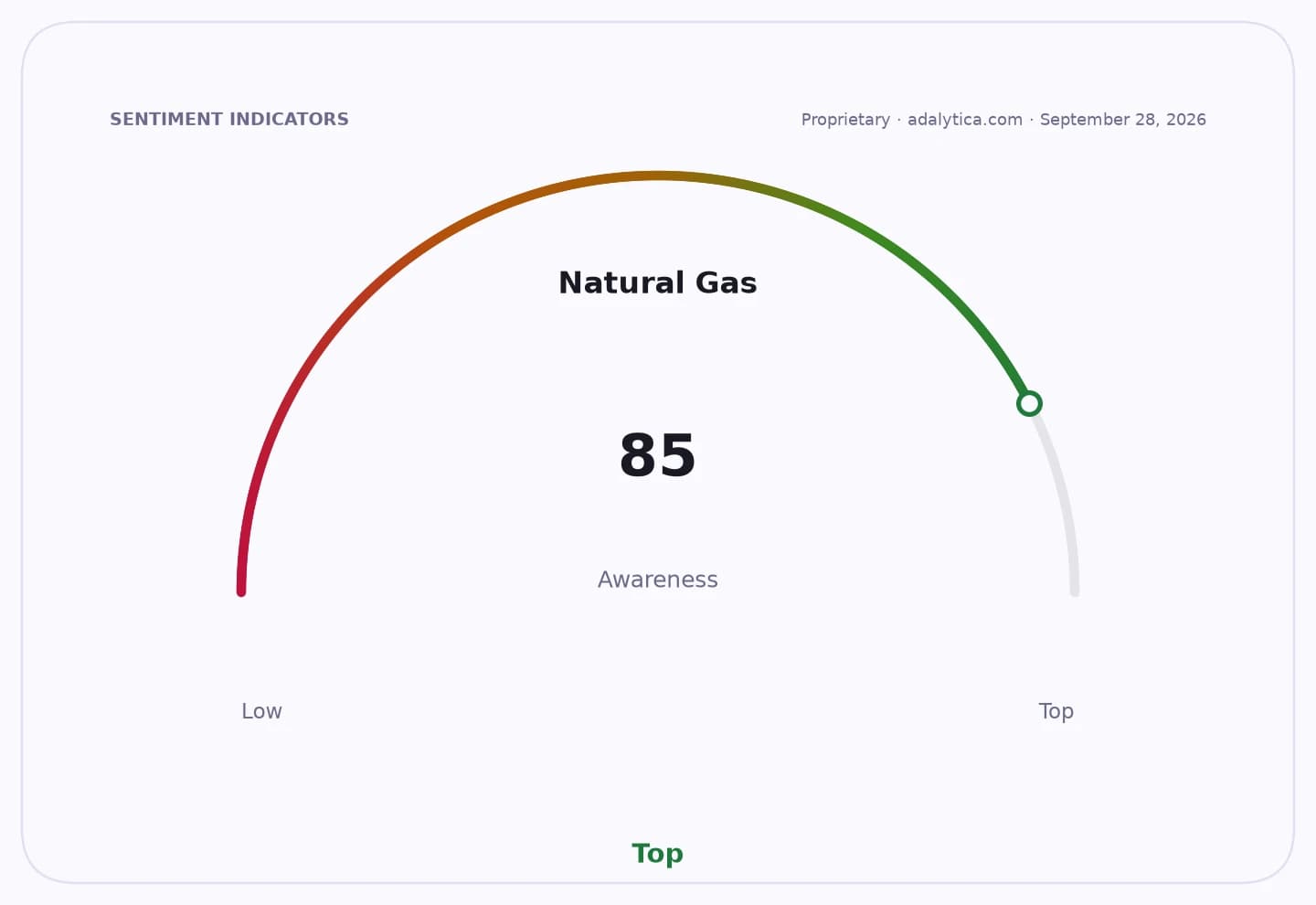
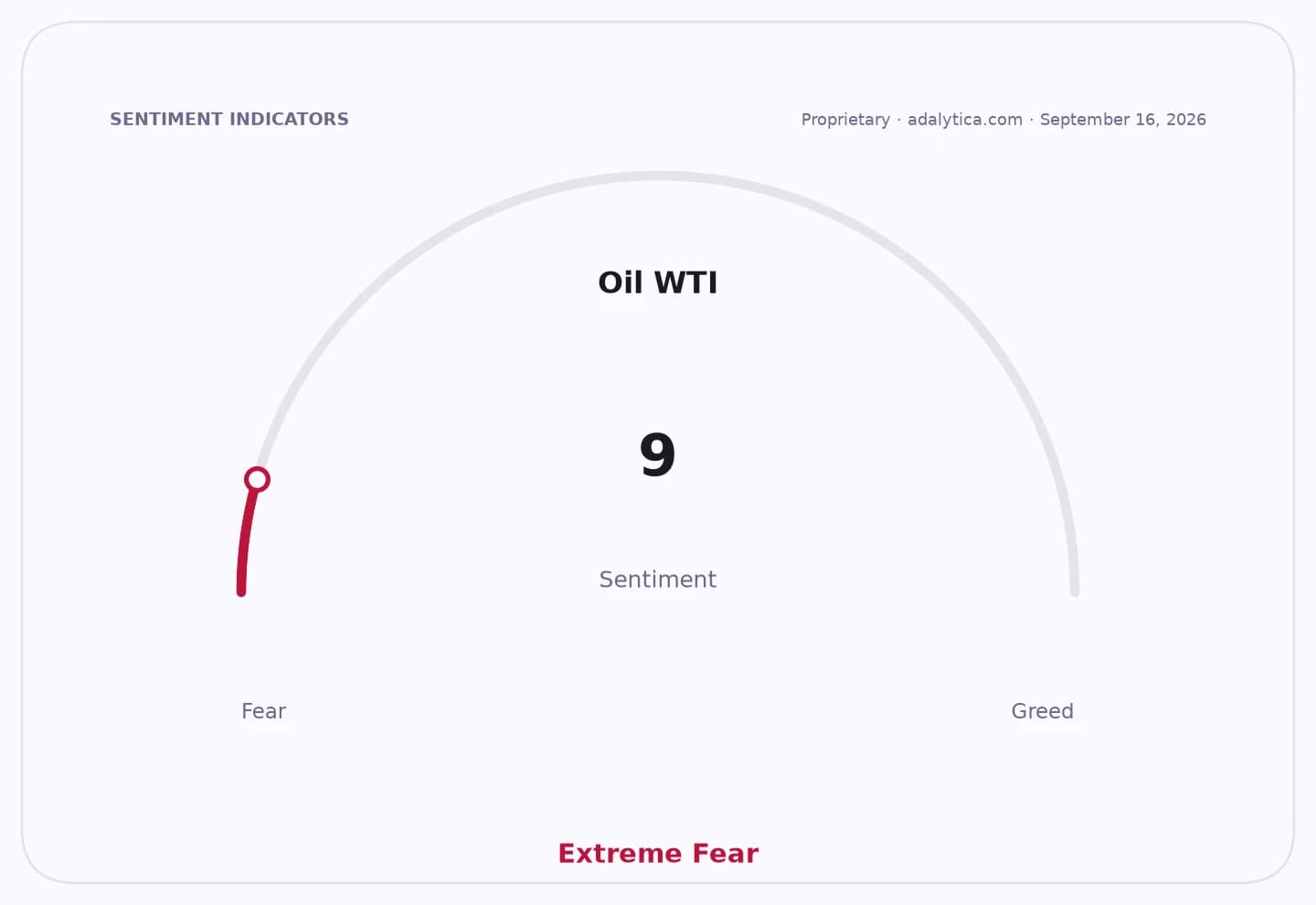
Sentiment IndicatorsⓘProprietary · adalytica.com · September 26, 2026
This is a snapshot — live sentiment, awareness and momentum for 130+ markets update continuously in the dashboard.Open AlphaPulse
The forum, hosted by Yayasan Mitra Hijau as part of the Innovation Regions for a Just Energy Transition, brought together about 30 participants from provincial and city planning agencies, academics, civil society groups, women’s organizations, professionals, GIZ and journalists. Officials and stakeholders reviewed national policy recommendations and tried to adapt them to South Sumatra’s local conditions rather than leaving them as a paper exercise.
That matters for investors and policymakers because Indonesia remains one of the world’s major coal exporters, while global pressure to cut emissions is forcing resource regions to diversify or risk stranded economic assets. A disorderly transition can weaken regional spending, strain local government finances and delay new investment in manufacturing, services and cleaner energy projects.
The message from project coordinator Dicky Edwin Hindarto was that the transformation must start early, not after coal demand peaks. He said moving to a cleaner energy system is not just about swapping fuels but about preserving the livelihoods of communities whose economies are tied to coal.
The South Sumatra effort mirrors a wider trend across coal-producing regions from Indonesia to Vietnam and Colombia, where governments and companies are facing mounting scrutiny over security, regulation and the pace of decarbonization. For coal investors, the risk is rising policy pressure and weaker long-term demand; for renewables, grid and industrial developers, the opportunity is to capture new capital as legacy mining economies search for replacement growth.
The next test is whether the dialog in Palembang turns into concrete local policy, funding and job-training programs that can be scaled across other coal regions in Sumatra and beyond.
| Entity | Gains | Losses |
|---|---|---|
| Local workers and SMEs | ▲Transition support, retraining | ▼Coal-linked income risk |
| South Sumatra policymakers | ▲Diversification roadmap | ▼Short-term fiscal uncertainty |
| Renewable and industrial investors | ▲New project pipeline | ▼Slower coal expansion |
| Coal producers | ▲Managed adjustment | ▼Long-term demand pressure |