Mongolia has approved a joint venture to build a coal-pyrolysis plant tied to the Baganur coal mine, a move that could reshape how the country uses one of its most abundant fuels while also aiming to ease Ulaanbaatar’s chronic air-pollution problem.
Mongolia approves Baganur coal chemical plant venture
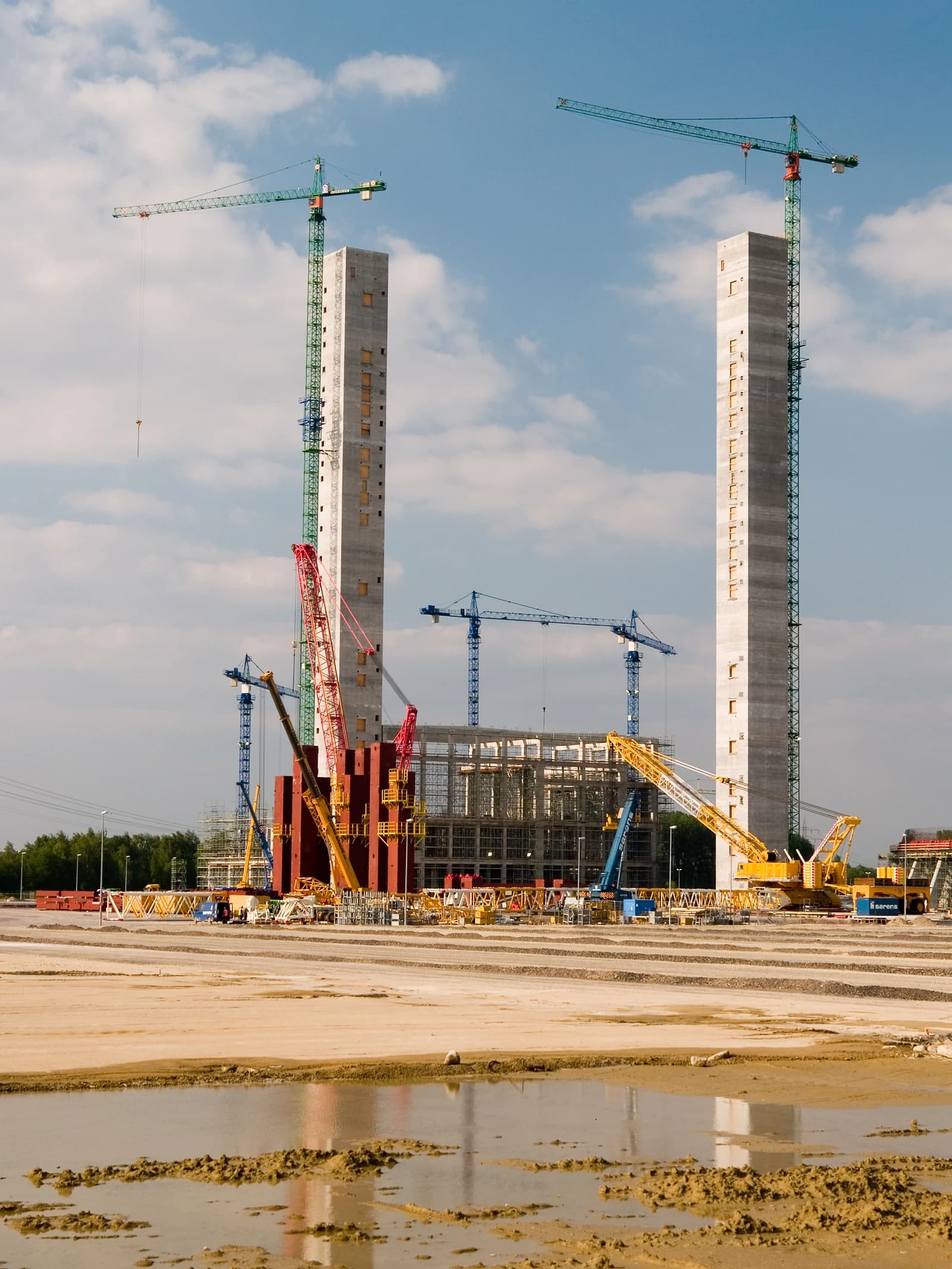
The government said the venture, “Baganuur Coal-Chemical Plant” LLC, will be set up with a city-owned legal entity holding 67% of the ordinary shares, while the remaining 33% will be assigned later by decision of the city council. That structure matters because it clears the way for the state partner to move from political intent to a bankable project, including selection procedures, partnership terms and construction preparation.
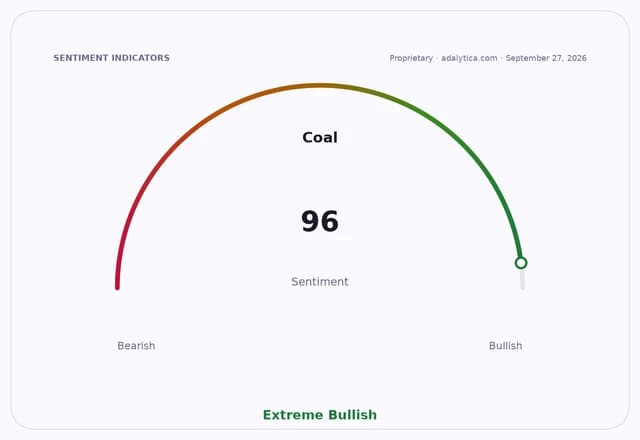
Sentiment IndicatorsⓘProprietary · adalytica.com · September 27, 2026
This is a snapshot — live sentiment, awareness and momentum for 130+ markets update continuously in the dashboard.Open AlphaPulse
For investors, the appeal is less about a single plant and more about the policy direction. Mongolia is trying to turn coal from a raw export commodity into a higher-value industrial input, adding processing capacity, power generation and jobs at home. The project is slated to produce 600,000 tons of semi-coke a year, employ about 400 people and include a 40-megawatt thermal power station. If delivered on schedule, it would give the country a domestic industrial asset that could support both fuel supply and heating needs.
Construction is expected to begin in the fourth quarter of this year, with commissioning targeted for the first quarter of 2028. That timeline is important because Mongolia has often struggled to convert resource ambition into operating infrastructure. A finished plant would signal that the government can still execute complex public-private projects, and that could encourage follow-on investment in mining, processing and local utilities.
The broader market backdrop also helps explain why the project is getting traction now. Coal prices have been volatile, energy security is back in focus globally, and governments are increasingly willing to back domestic fuel-processing capacity that reduces reliance on imports or lowers urban pollution. For Mongolia, the logic is especially compelling: the country has coal reserves, but it also has one of the region’s most visible smog problems.
Still, this is a long-dated project, and investors should treat it that way. The value will depend on permitting, financing, construction discipline and whether the plant can operate efficiently enough to justify the capital. But as a strategic move, it is notable. Mongolia is not just mining coal here; it is trying to build a cleaner, more useful second life for it. That makes the venture worth watching over the next several years.
| Entity | Gains | Losses |
|---|---|---|
| Mongolia government | ▲Industrial capacity, air-quality optics | ▼Budget and execution risk |
| Baganur coal mine | ▲New demand outlet | ▼Greater operational scrutiny |
| Local workers/city economy | ▲Jobs and construction spending | ▼Long project timeline |
| Imported fuel alternatives | ▲Less potential demand | ▼Fewer policy tailwinds |