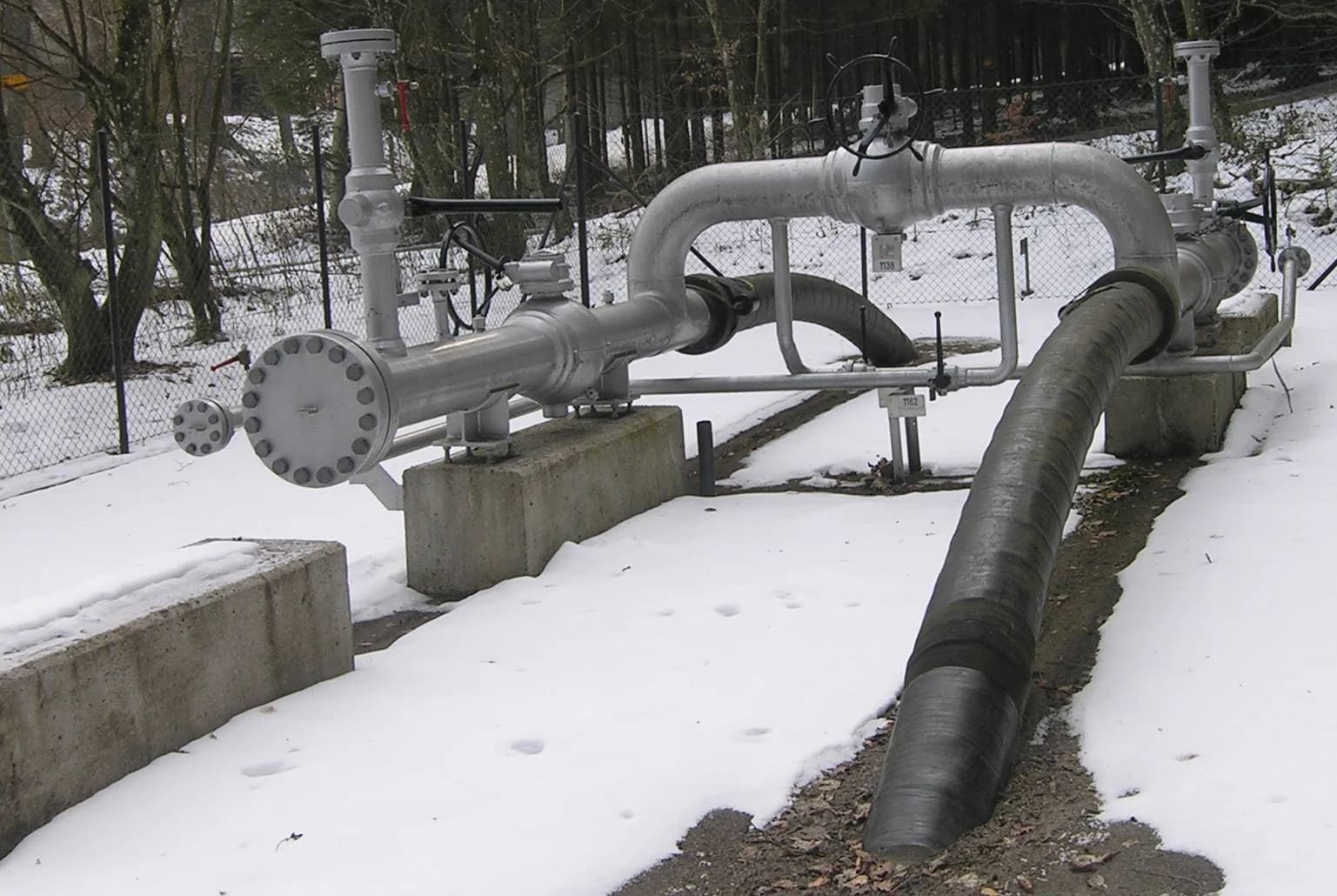
Kazakhstan is trying to turn one of its biggest oilfield waste problems into a new industrial advantage, and that could reshape the economics of bitcoin mining while boosting oil output and cutting emissions.
Kazakhstan Plans Oilfield Gas Mining Power
The government wants crypto miners to use excess gas from oil fields to generate their own electricity, a move that would let producers monetize gas that is now burned off, reduce pressure on the country’s aging power grid and lure back miners that were pushed out by past restrictions. For investors, the appeal is clear: this is a rare policy setup where stranded energy, digital infrastructure and oilfield economics all point in the same direction.
Sentiment IndicatorsⓘProprietary · adalytica.com · October 1, 2026
This is a snapshot — live sentiment, awareness and momentum for 130+ markets update continuously in the dashboard.Open AlphaPulse
The market has long underestimated how energy availability, not just bitcoin prices, determines where mining capital goes. Kazakhstan’s plan effectively creates a low-cost power toll road for miners willing to build behind-the-meter generation at oilfields, insulating them from grid bottlenecks and tariff swings. That matters because mining is a high-fixed-cost business: the lower and steadier the power bill, the faster the payback.
The numbers show why the idea is compelling. Kazakhstan says roughly 40 to 60 oilfields are currently flaring associated gas, and about 300 million to 340 million cubic meters of that gas were burned in 2024. Converted into electricity, that could have produced about 1.2 terawatt hours to 1.3 TWh, enough to support multiple industrial-scale mining sites. A single field producing 100,000 cubic meters of gas a day could power roughly 13 MW to 15 MW of generation, while industrial mining farms often need 5 MW to 20 MW, and large sites can exceed 50 MW.
That is the investment case in miniature. Oil producers get a new revenue stream and fewer environmental penalties. Miners get locked-in cheap power without leaning on a strained national grid. Engineering partners such as WES LLP become the enabling layer, supplying gas treatment, generation units and data-center buildouts. The winners are the operators who can turn stranded methane into durable computing capacity.
The policy shift is also a reversal from Kazakhstan’s crackdown after its 2021 crypto boom exposed weakness in the Soviet-era power system and triggered shortages and blackouts. The previous regime of limits, licensing and auctioned surplus power drove many miners offshore or into the gray market. Now the government is moving to legalize and incentivize the sector again, with the energy ministry and digital-development ministry working on rules for the new framework.
For listed miners, the strategic takeaway is bigger than one country. Firms such as MARA and Riot Platforms are already telling investors that power cost, not hash-rate ambition alone, drives profitability. Their latest filings highlight energy-cost volatility as a major operating risk, and that makes captive, low-cost generation more valuable than ever. Coinbase, meanwhile, remains the broader crypto proxy most sensitive to the durability of mining economics and the capital cycle that follows.
Our thesis is simple: the next phase of bitcoin infrastructure will be won by miners with access to stranded energy, and Kazakhstan may be one of the more overlooked proving grounds. If this framework is implemented cleanly, it could attract capital, reduce flaring, support oil output and create a replicable model for other resource-heavy economies. Investors should watch for miners, infrastructure providers and oilfield operators positioned to monetize wasted gas before the opportunity is fully priced in.
| Entity | Gains | Losses |
|---|---|---|
| Kazakhstan oil producers | ▲New gas revenue, fewer fines | ▼Higher setup complexity |
| Crypto miners | ▲Low-cost stable power | ▼Grid-dependent miners |
| Engineering partners | ▲More project demand | ▼DIY builders |
| Power grid / local consumers | ▲Less load pressure | ▼None immediately |