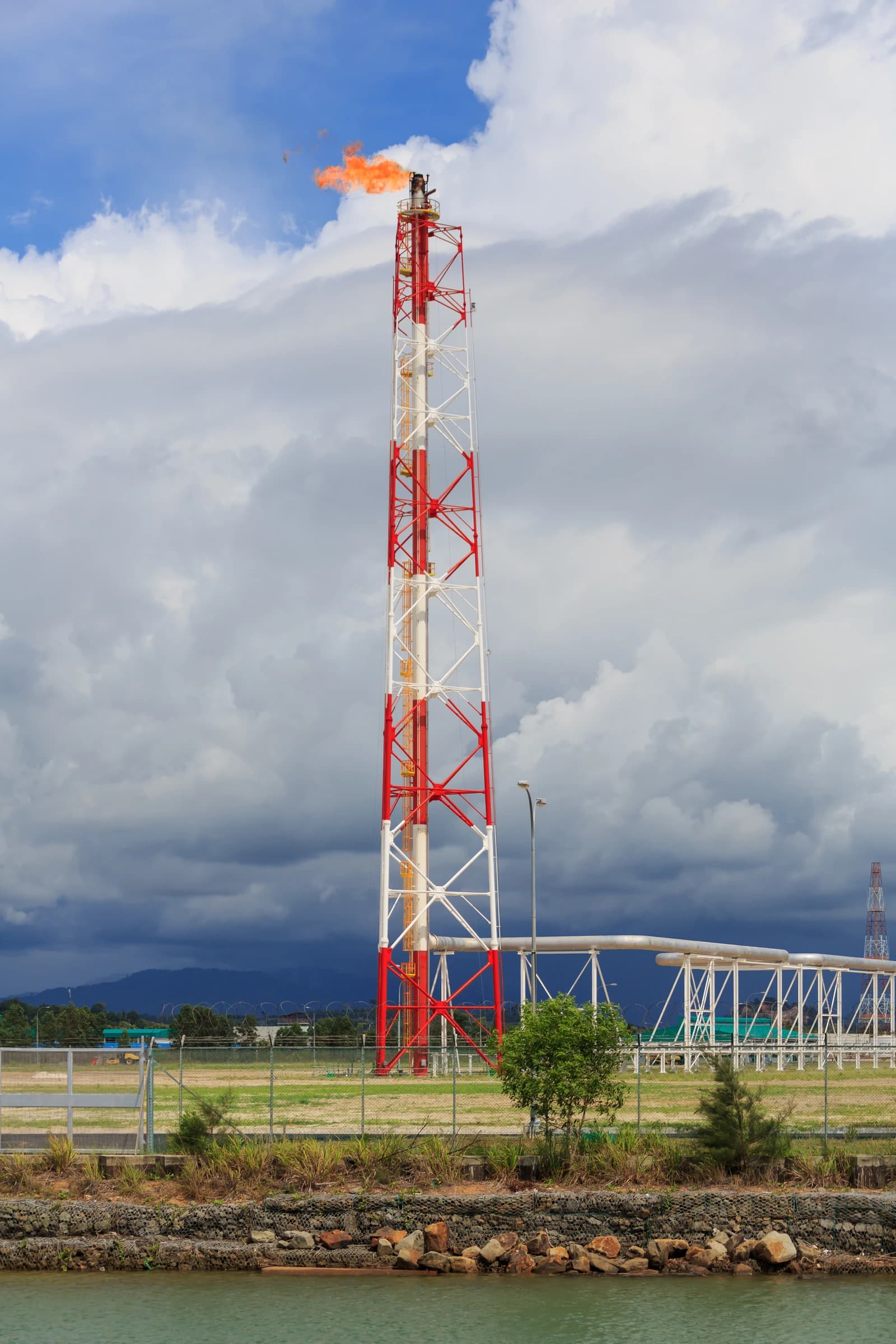
Prof Omonigho’s warning that oil and gas workers must go beyond technical skills lands at a critical moment for an industry being reshaped by productivity pressure, higher capital spending and a renewed push to expand supply.
Oil Services ETFs Rise on Digital Skills Shift
The message matters because the next phase of energy investment is not just about finding more barrels or more gas. It is about operating fields, pipelines and refineries with fewer people, tighter margins and far more data. That is especially true across markets where governments are urging producers to raise output, cut gas flaring and unlock new reserves while keeping costs contained. In that environment, workers who can pair engineering know-how with digital, commercial and environmental skills will be more valuable than those with traditional field expertise alone.
Sentiment IndicatorsⓘProprietary · adalytica.com · August 30, 2026
This is a snapshot — live sentiment, awareness and momentum for 130+ markets update continuously in the dashboard.Open AlphaPulse
Investors should read that as a second-order growth story for the oilfield services and equipment complex. The industry is already leaning harder into automation, analytics and electrified equipment, and the stock action reflects it. The Energy Select Sector SPDR Fund, XLE, has climbed to around $62.68, with its 50-day moving average above the 200-day average and RSI readings in overbought territory at points in recent sessions. The VanEck Oil Services ETF, OIH, has pushed to about $418.31, also holding well above its long-term average. That kind of strength suggests the market is rewarding not just higher crude exposure, but the companies enabling efficiency gains, digital optimization and production growth.
The economics are straightforward. When producers want to lift output while reducing waste, the spending shifts toward software, automation, reservoir optimization, remote operations and emissions control. That supports service names such as Schlumberger, Halliburton and Baker Hughes, which have been telling investors that digital tools, supply-chain resilience and gas-related investment remain central to the cycle. Chevron and Exxon Mobil, meanwhile, are still positioning for long-term hydrocarbon demand even as they manage capital discipline and lower-carbon transitions. The common thread is that skills and technology are becoming direct inputs into margin protection.
That also explains why the broader macro backdrop matters. US industrial production is still grinding higher, unemployment remains low near 4.1%, and energy equities have been trading with strong momentum even as the S&P 500 flashes extreme greed in Adalytica.com’s trade signals. In other words, capital is still flowing toward hard-asset, infrastructure and commodity-linked plays. If oil and gas companies can train workers to move faster up the digital curve, they can keep more of the value created by higher production rather than handing it away to inefficiency.
For investors, the takeaway is that the best way to play this theme may not be through crude alone. The more attractive opportunity is in the toll roads of the energy transition: oilfield services, automation providers, industrial software, gas infrastructure and training-linked platforms that benefit every time producers try to do more with less. Prof Omonigho’s warning is really a reminder that in the next energy cycle, human capital is becoming a competitive moat.
The market is underestimating how much this shift can extend the earnings runway for the sector. If oil and gas operators keep scaling output while modernizing their workforces, the winners should be the suppliers that sell productivity, not just barrels. That is where I believe the asymmetric opportunity sits now.
| Entity | Gains | Losses |
|---|---|---|
| Oilfield services firms | ▲Higher demand for digital tools | ▼Commoditized labor models |
| Integrated producers | ▲Better margins, lower flaring | ▼Higher retraining costs |
| Skilled multi-disciplinary workers | ▲Stronger job security | ▼Purely technical roles |
| Legacy training providers | ▲New upskilling demand | ▼Outdated curricula |