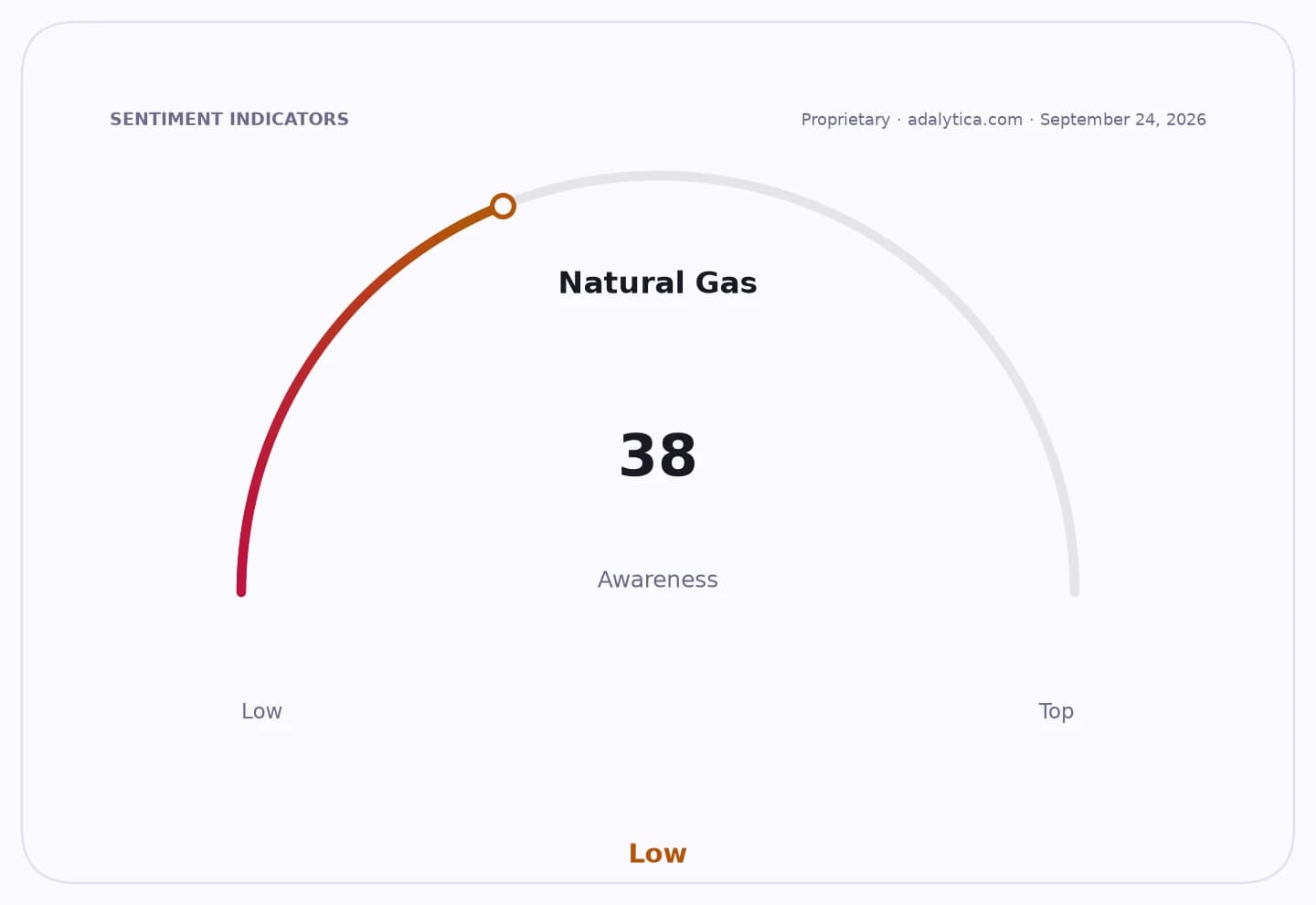
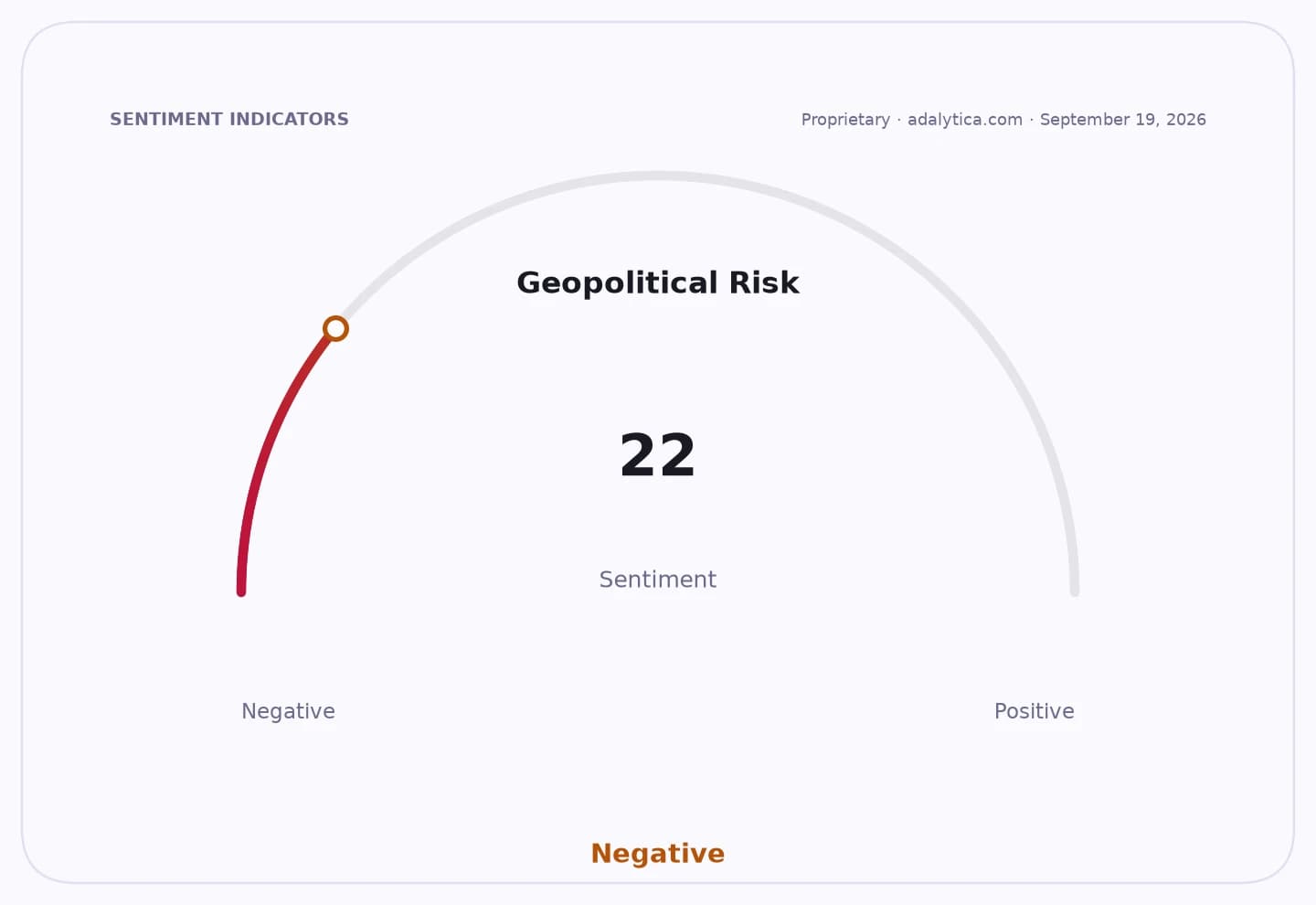
Jordan’s aggressive push to expand domestic natural gas production and distribution is turning the fuel into a national strategic asset, and that matters for both the economy and investors looking for durable energy trends. By tying gas more closely to electricity, industry and future transport use, Amman is signaling that natural gas is no longer just a utility input — it is becoming a core pillar of growth, cost control and energy independence.
Jordan boosts domestic natural gas production plans
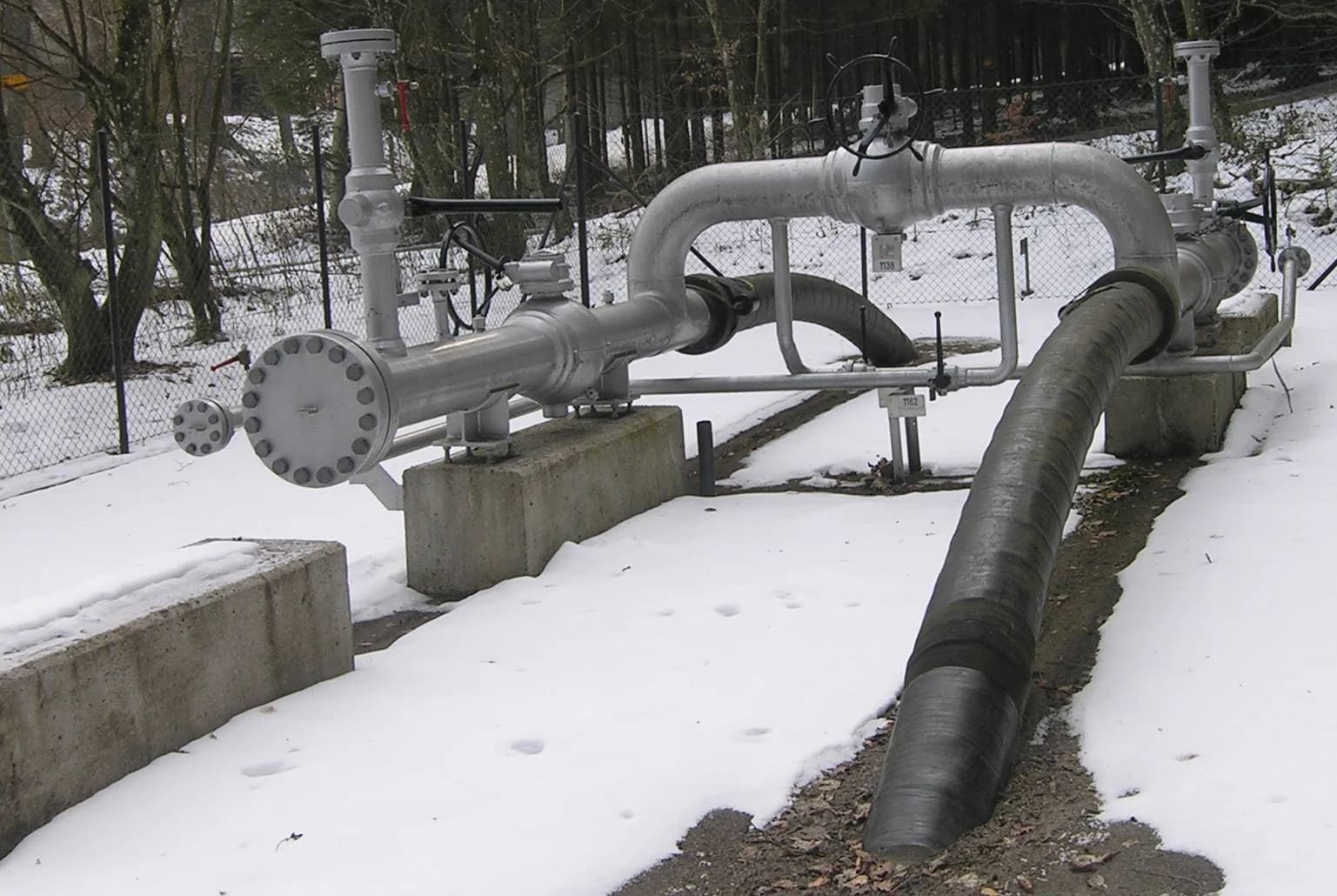
The most important development is the government’s commitment to scale up the Risha field and connect it to the Arab Gas Pipeline, a move that would let Jordan move from a patchwork energy system toward a more integrated domestic gas market. Officials are targeting output of 418 million cubic feet a day by 2030 and 810 million by 2035, while also preparing to extend gas distribution in Amman and Zarqa. For a country that has long been exposed to imported fuel shocks, that is economically significant because it lowers vulnerability to volatile global oil and gas prices and gives industry a more predictable cost base.
Sentiment IndicatorsⓘProprietary · adalytica.com · October 3, 2026
This is a snapshot — live sentiment, awareness and momentum for 130+ markets update continuously in the dashboard.Open AlphaPulse
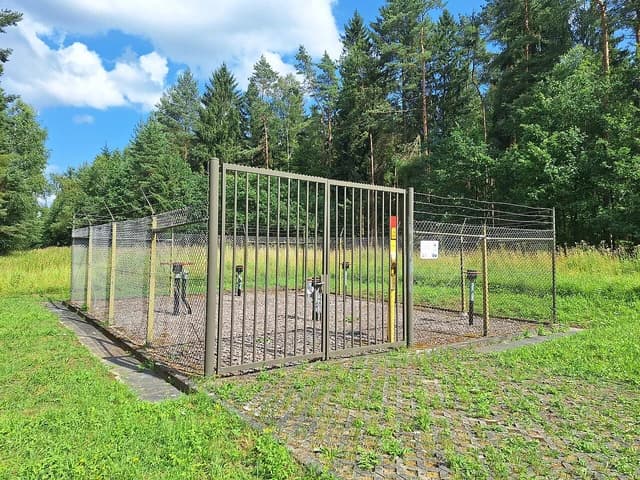
That is why the investment case is broader than one field. Jordan’s Chamber of Industry says natural gas can cut energy bills by as much as 35% versus diesel and 50% versus heavy fuel oil, depending on the facility. In a manufacturing economy where power costs are one of the biggest drags on competitiveness, that kind of savings can improve margins, support exports and encourage new plant investment. Lower fuel costs also matter at the macro level because they can ease pressure on inflation and reduce the country’s import bill over time.
The state is backing the strategy with money and infrastructure, not just rhetoric. The government has set aside 87 million dinars over three years to support Risha development, and it has allowed National Petroleum Co. to retain 3.4 million dinars in treasury dues from 2024 to fund drilling of 80 wells. The company’s plan calls for 145 wells between 2025 and 2030, alongside processing plants and pipelines that would move gas from the field to the Arab Gas Pipeline and, eventually, across much of the kingdom. That suggests Jordan is building a genuine midstream network, not merely chasing short-term production gains.
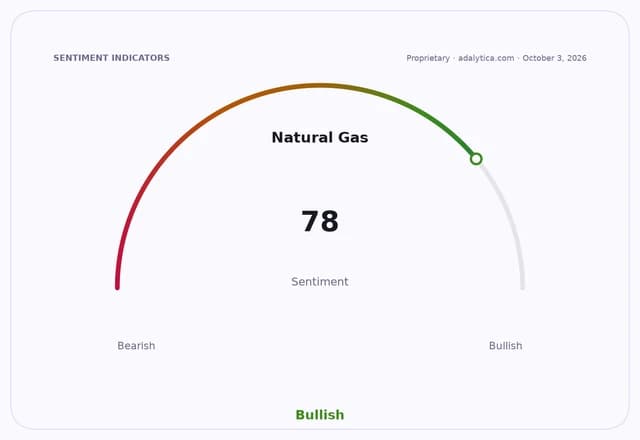
For investors, the long-term takeaway is that natural gas is gaining strategic value well beyond the spot price cycle. In the near term, that supports suppliers, pipeline builders and industrial users that can plug into lower-cost fuel. Over time, it could also make Jordan a more attractive destination for capital in energy-intensive sectors, especially if gas infrastructure reaches major industrial clusters on schedule. For diversified energy investors, the message is simpler: in a world still worried about supply shocks and fuel security, countries that can develop domestic gas resources and distribution networks may earn a premium in resilience.
There are still execution risks, of course. The production targets are ambitious, the timeline to 2029 for the pipeline link is still a target rather than a certainty, and building out demand requires pricing, permits and infrastructure to line up. But the direction of travel is clear. Jordan is treating natural gas as a long-term economic lever, and investors should view that as a constructive trend worth watching, especially over a multi-year horizon.
| Entity | Gains | Losses |
|---|---|---|
| Jordan government | ▲Better energy security | ▼Import dependence |
| Domestic industry | ▲Lower fuel costs | ▼High-cost fuels |
| National Petroleum Co. | ▲Bigger production role | ▼Delayed project timelines |
| Fuel importers | ▲— | ▼Demand erosion |