Kazakhstan produced 21.75 billion cubic meters of associated gas in the first seven months of the year, underscoring how the Central Asian producer is trying to turn oilfield gas into a more valuable industrial and export asset.
Kazakhstan Associated Gas Output Reaches 21.75 bcm
The volume matters because associated gas is increasingly central to Kazakhstan’s energy policy: it can ease domestic power shortages, support industrial expansion and create feedstock for exports or downstream projects rather than being flared or left unused. For a country still dependent on hydrocarbons for fiscal revenue and foreign currency earnings, squeezing more value from existing oilfields is a cheaper path to growth than waiting on large new discoveries.
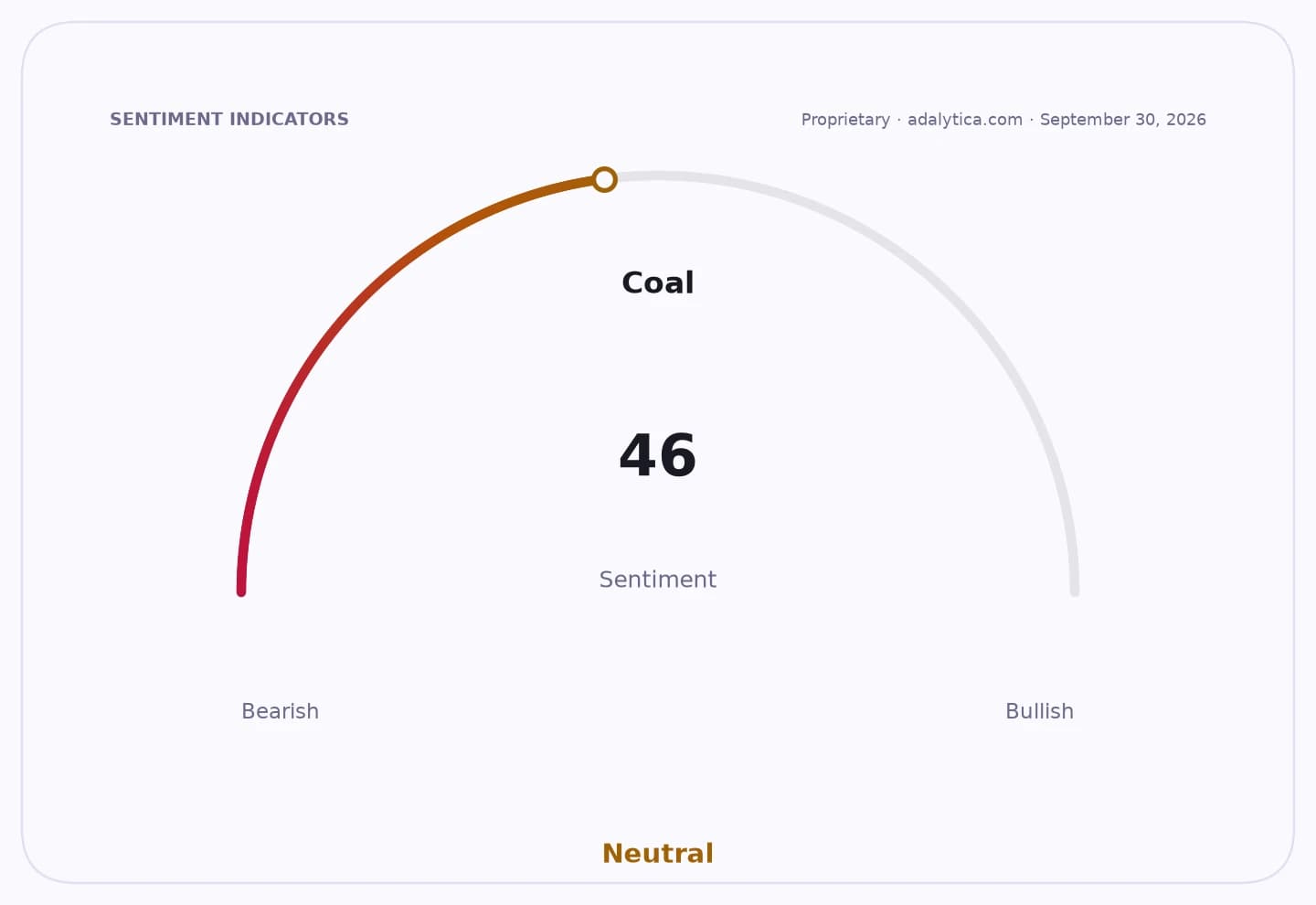
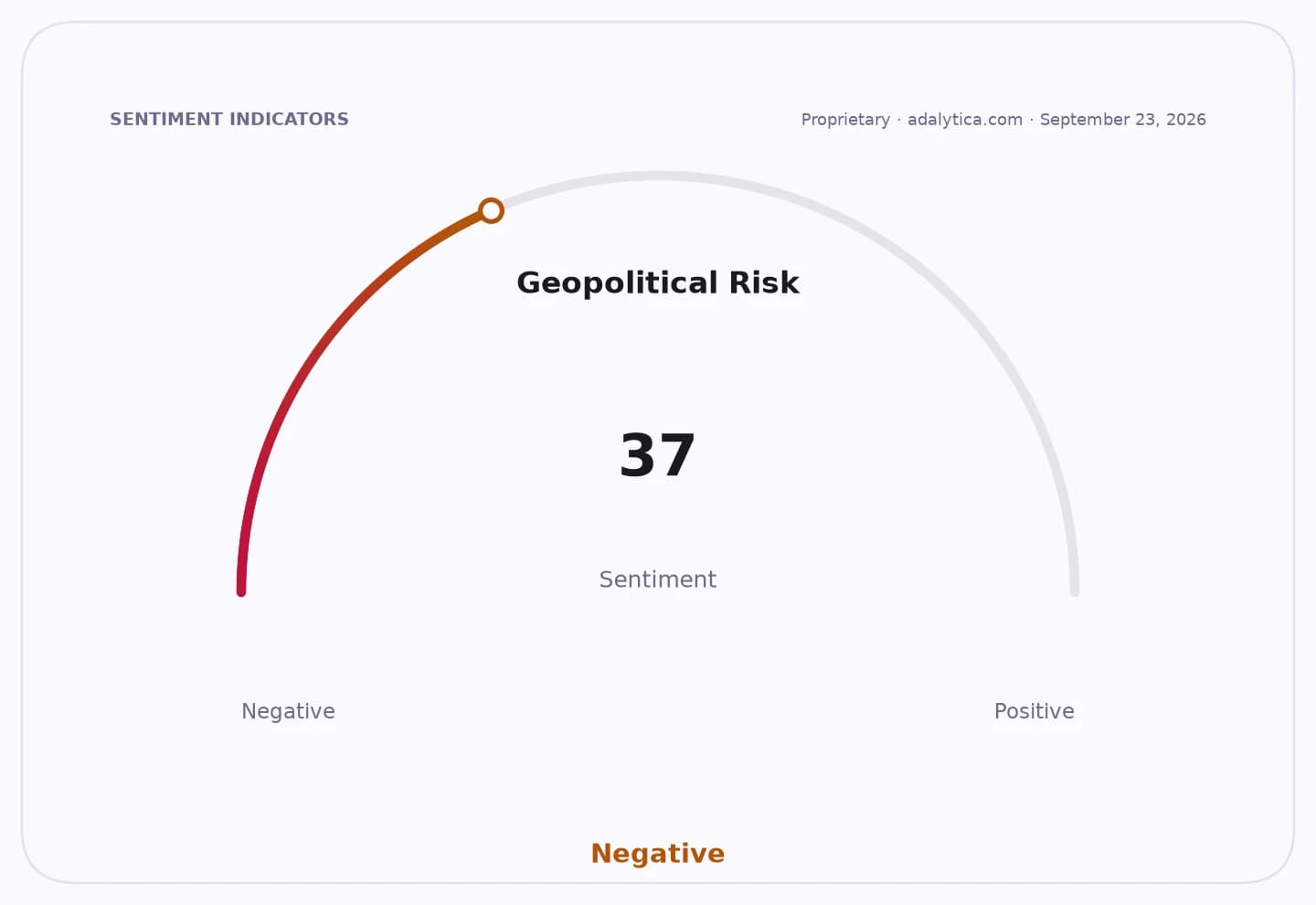
Sentiment IndicatorsⓘProprietary · adalytica.com · September 26, 2026
This is a snapshot — live sentiment, awareness and momentum for 130+ markets update continuously in the dashboard.Open AlphaPulse
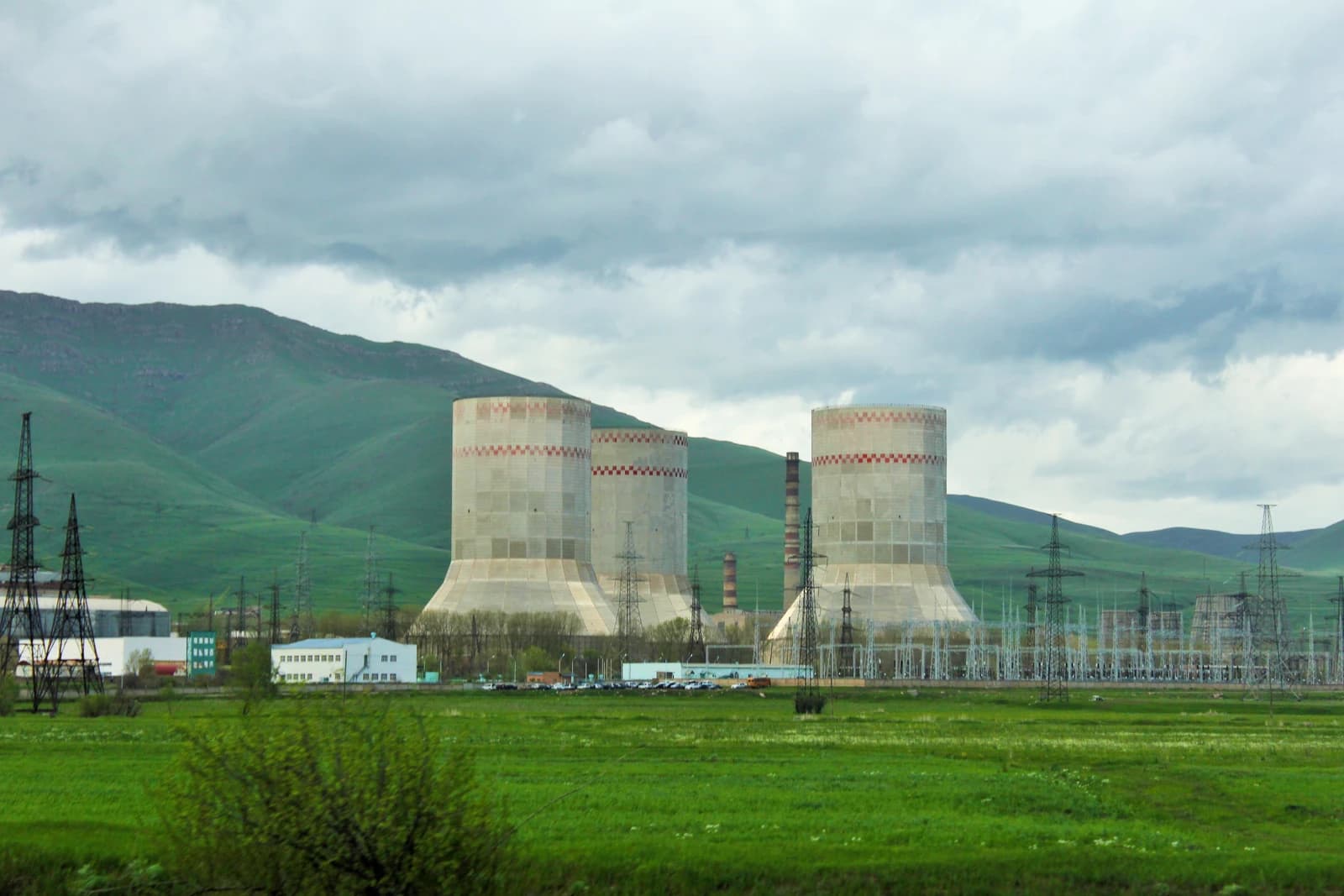
The government has been pushing that logic harder. Kazakhstan is promoting the use of electricity generated from excess oilfield gas for cryptocurrency mining, a move aimed at monetizing stranded energy and attracting private capital into the power system. It has also resumed gas supplies to Armenia and increased imports of Russian gas, signaling a broader effort to position itself as a regional energy hub while balancing domestic demand and cross-border commitments.
That energy strategy comes as Kazakhstan prepares to auction 112 oil and gas blocks by the end of 2026 and expand three refineries, with a decision on a fourth expected later this year. Together, the projects point to a government trying to lift upstream output, improve utilization and deepen downstream capacity at a time when global oil markets remain volatile and investors are focused on supply discipline, cash returns and infrastructure bottlenecks.
For investors, the key question is whether Kazakhstan can convert higher gas output into sustained monetization without creating new infrastructure strain or policy risk. Any acceleration in gas processing, refinery expansion or export connectivity could benefit producers, service companies and regional buyers, while importers and competing suppliers may face tighter competition for demand.
| Entity | Gains | Losses |
|---|---|---|
| Kazakhstan government | ▲More revenue options | ▼Flaring and wastage |
| Domestic industry | ▲More fuel and power supply | ▼Energy shortages ease less slowly |
| Oil and gas producers | ▲Better monetization of associated gas | ▼Higher processing/infrastructure costs |
| Regional gas buyers | ▲Potentially steadier supply | ▼Alternative suppliers face competition |