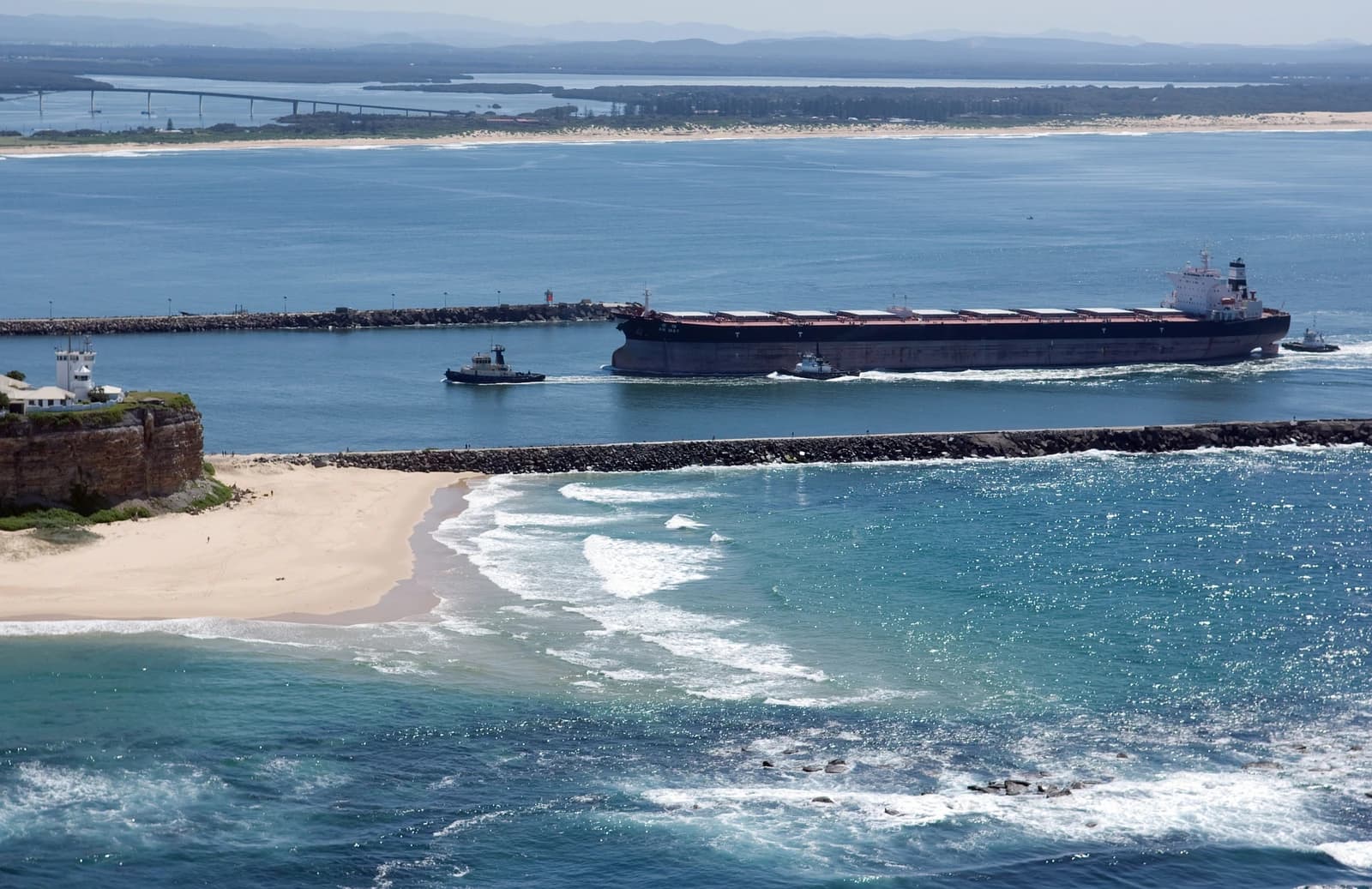
Perta Arun Gas is moving to cement Aceh’s Arun terminal as a regional LNG infrastructure hub after industry data showed the Indonesian operator handled the world’s largest LNG re-export loading volume, a milestone that strengthens its role in Southeast Asia’s gas logistics network.
Perta Arun Gas Leads Global LNG Re-Export Volume
The significance goes beyond a single facility. As Indonesia seeks to tighten energy security and deepen its LNG supply chain, Perta Arun Gas is positioning itself as a critical regasification and logistics node that can support imports, reloads, re-exports and ancillary services such as gassing up and cooling down.
According to the International Gas Union’s World LNG Report 2026, Perta Arun Gas recorded 0.85 million tons of LNG re-export loading volume, or 17.3% of global market share in that category. That makes the Arun terminal in Aceh not just a domestic asset but a platform that can capture more of the region’s LNG trade.
The company, a unit of Pertamina Group, says its role is to manage energy infrastructure tied to regasification and national supply resilience. It is also promoting the Arun area as a global integrated energy hub, with services that could include breakbulking, LNG bunkering, ISO tank handling, storage, reloading and re-export activity.
For investors, the story is less about near-term pricing and more about the long-dated economics of infrastructure utilization. A stronger hub profile can improve terminal throughput, widen the addressable market for services and support higher-value logistics contracts in a region where LNG demand remains tied to power generation, industrial use and maritime fuel adoption.
The comparison with Singapore underscores the strategic ambition. By framing Subholding Gas Pertamina as an LNG hub in Asia, Perta Arun Gas is signaling that it wants to compete not only on domestic energy security but also on regional trade flows, where scale, reliability and turnaround times determine commercial relevance.
The next catalyst is execution: whether the Arun terminal can convert its lead in re-export volumes into broader, sustained infrastructure demand as Indonesia expands LNG capacity and regional projects move toward investment decisions.
| Entity | Gains | Losses |
|---|---|---|
| Perta Arun Gas | ▲Higher hub relevance | ▼Pressure to execute |
| Pertamina Group | ▲Stronger gas logistics network | ▼Capital and operating demands |
| Indonesia LNG sector | ▲Better energy security | ▼Less dependence on import routes |
| Rival regional hubs | ▲None | ▼Share of re-export traffic |