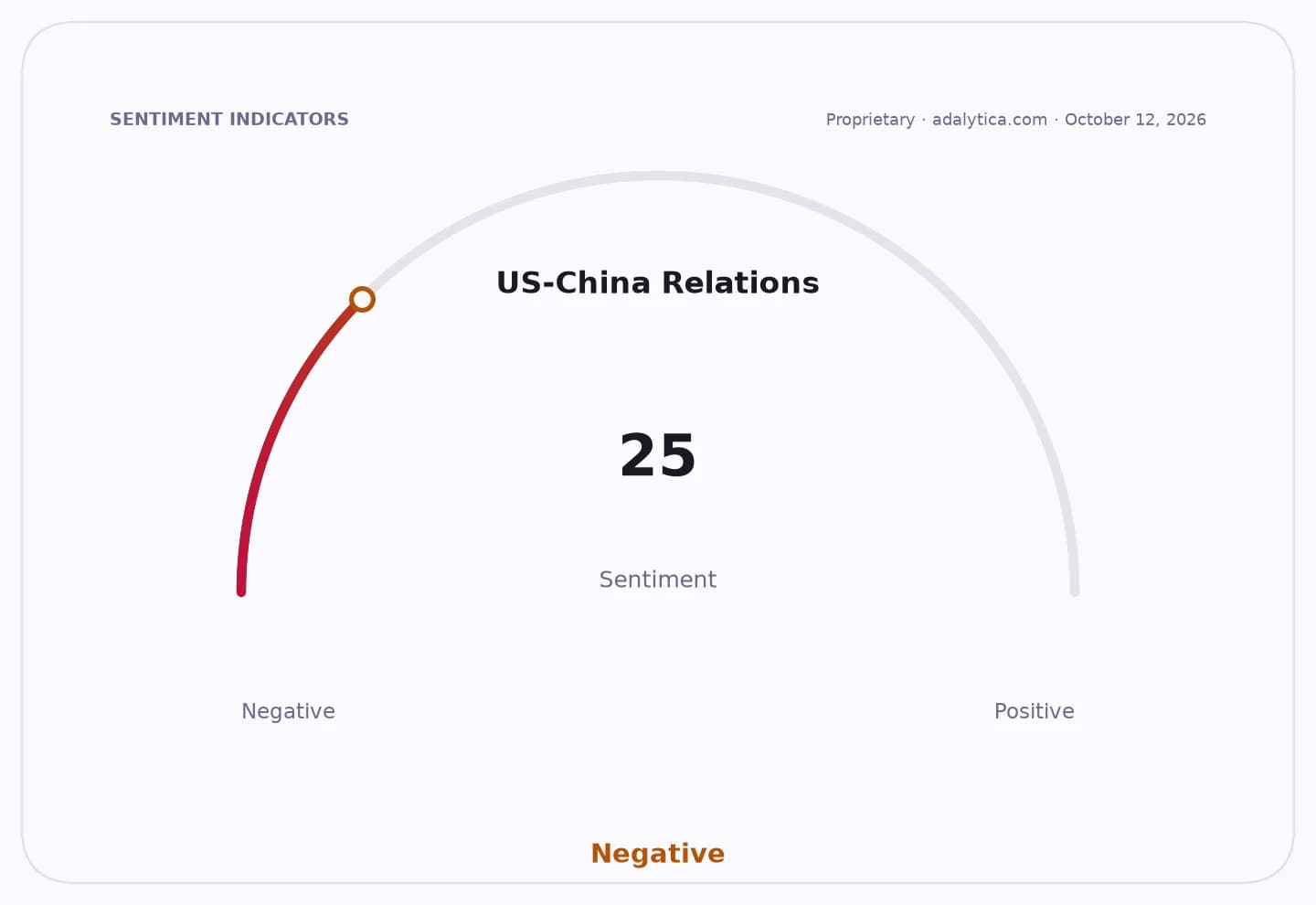
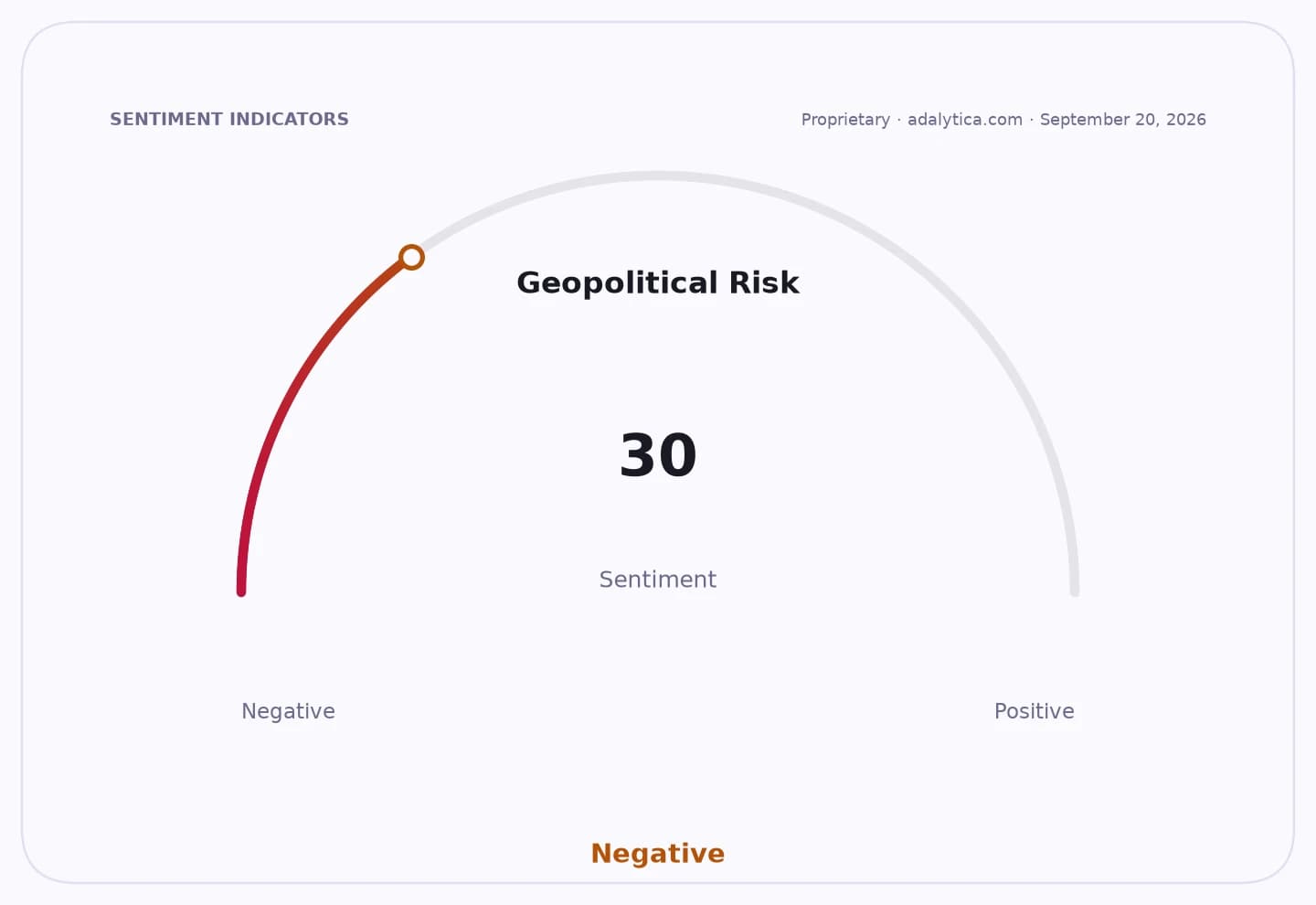
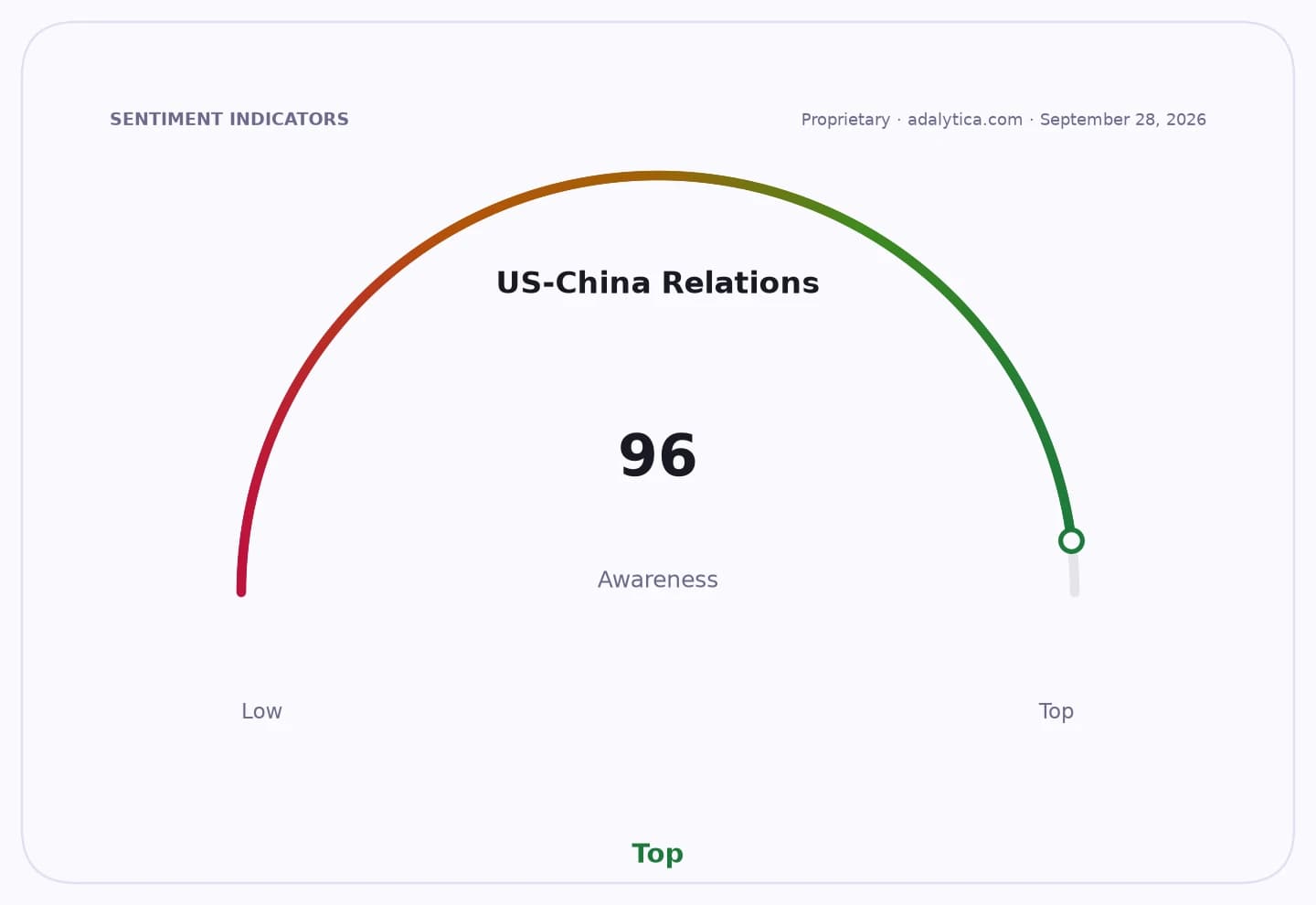
Japan is preparing a November summit with Vietnam that will center on energy security, supply-chain resilience and closer coordination as both countries navigate heightened tensions with China. The meeting matters because Tokyo is trying to lock in more stable fuel access and strategic mineral supply lines at a time when Middle East unrest and Beijing’s pressure tactics are exposing the vulnerability of Asia’s trade and energy networks.
Japan-Vietnam Summit to Focus on Energy Security
Prime Minister Sanae Takaichi is arranging talks in Tokyo in early November with Vietnamese leader To Lam, according to people familiar with the plan. The two sides are expected to discuss tighter cooperation on oil stockpiles and energy financing, including Japan’s “Power Asia” framework, which is designed to bolster Asia’s reserve capacity after turmoil in the Middle East.
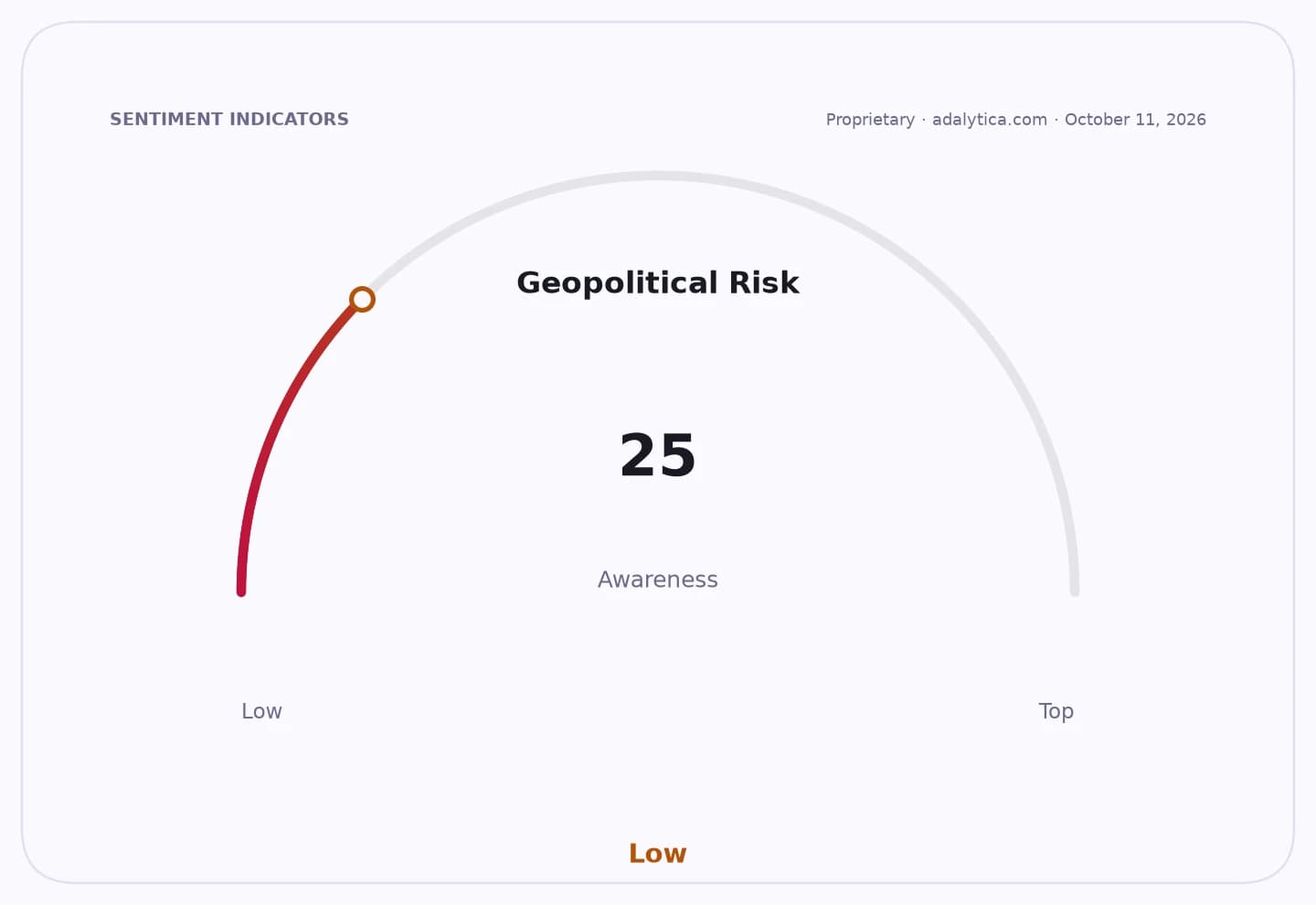
Sentiment IndicatorsⓘProprietary · adalytica.com · October 11, 2026
This is a snapshot — live sentiment, awareness and momentum for 130+ markets update continuously in the dashboard.Open AlphaPulse
Vietnam is also becoming more important to Japan’s economic security playbook. Tokyo wants to deepen collaboration on rare earths and other critical minerals, an area where China still dominates global supply and processing. Any move to diversify sourcing would matter for Japanese manufacturers, from autos to electronics, that depend on stable access to these inputs.
The meeting would build on Takaichi’s trip to Vietnam in May, when she invited To to visit Japan later this year and argued for evolving Japan’s “free and open Indo-Pacific” strategy. Japanese officials are also weighing a joint statement, underscoring that the summit is intended to produce concrete commitments rather than a ceremonial reset.
For investors, the key implication is that Japan is sharpening its regional energy and supply-chain diplomacy at a moment when crude markets remain sensitive to geopolitical shocks. U.S. benchmark crude settled at $91.85 a barrel on the latest reading, while the United States Natural Gas Fund was at $11.01, reflecting still-elevated energy prices and continued volatility around supply security.
The broader market backdrop favors sectors tied to energy infrastructure, shipping, refining and critical minerals if the Tokyo-Hanoi relationship translates into projects, financing or procurement. It also reinforces the strategic pressure on China, with the diplomatic push arriving as concerns linger over Beijing’s ability to leverage trade and resource dependence across Asia.
The next catalyst is the November meeting itself, which could produce details on oil reserve cooperation, financing for Vietnam’s Nghi Son refinery and a framework for mineral supply-chain development.
| Entity | Gains | Losses |
|---|---|---|
| Japan | ▲Energy security; mineral access | ▼Dependence on China and Middle East supply |
| Vietnam | ▲Japanese financing; strategic backing | ▼Higher scrutiny in U.S.-China rivalry |
| China | ▲None | ▼Supply-chain leverage; regional influence |
| Refiners and miners | ▲Potential projects and demand | ▼Fewer opportunities for dominant suppliers |