Russia’s foreign minister Sergey Lavrov is in Beijing this week to reinforce the country’s most important diplomatic and economic relationship, a move that matters far beyond protocol because closer Moscow-Beijing coordination could steady Russia’s wartime resilience, harden the geopolitical split with the West and keep a floor under safe-haven assets and energy markets.
Russia Lavrov Visits Beijing on China Ties
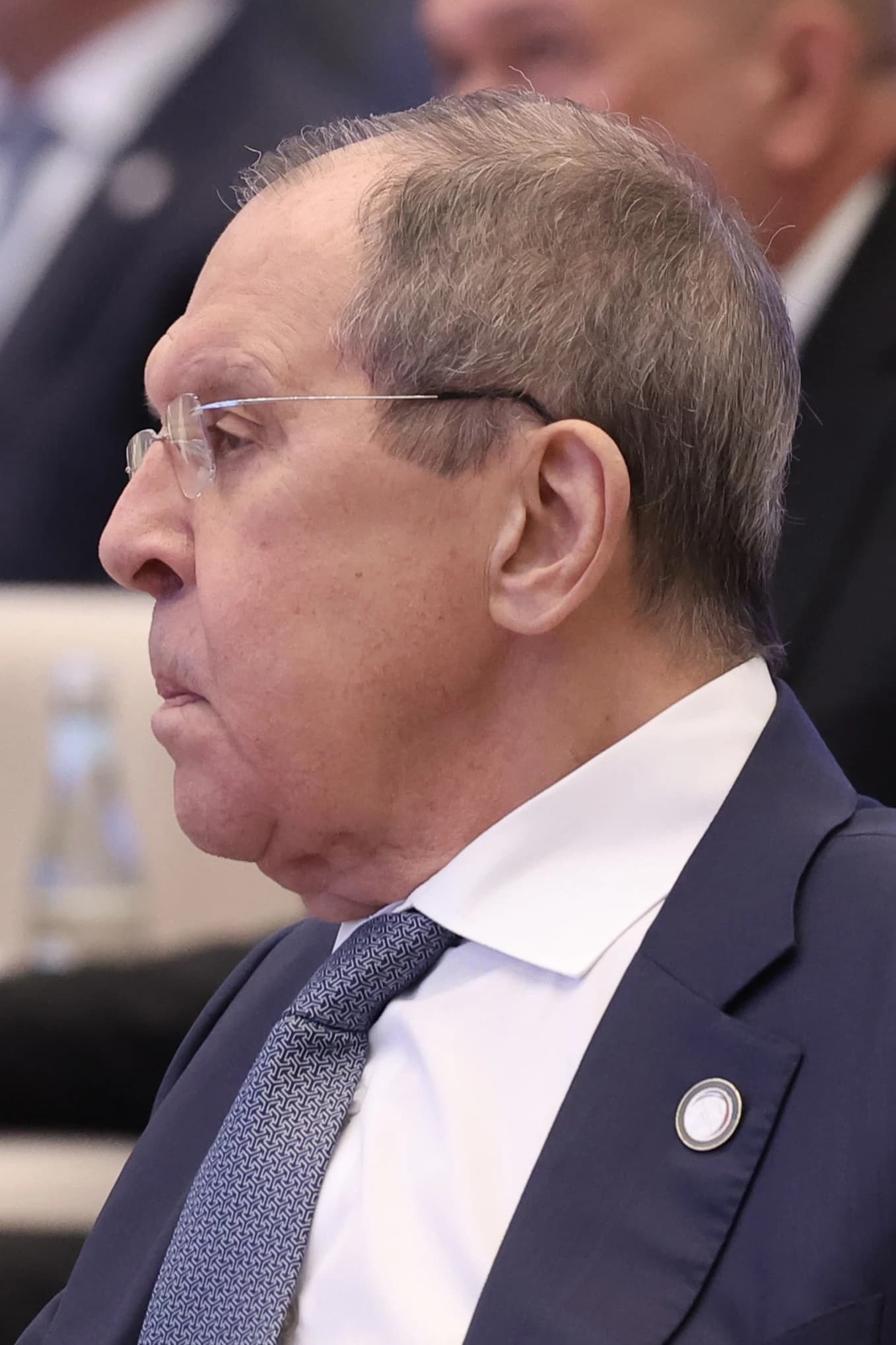
The trip comes as Moscow leans even more heavily on China for trade, finance and political cover after years of Western sanctions. Lavrov is expected to meet Chinese foreign minister Wang Yi and discuss the Ukraine war as well as the security balance in Asia-Pacific, underscoring that this is not just a ceremonial visit but part of a broader alignment that helps Russia absorb pressure from Europe and the United States.
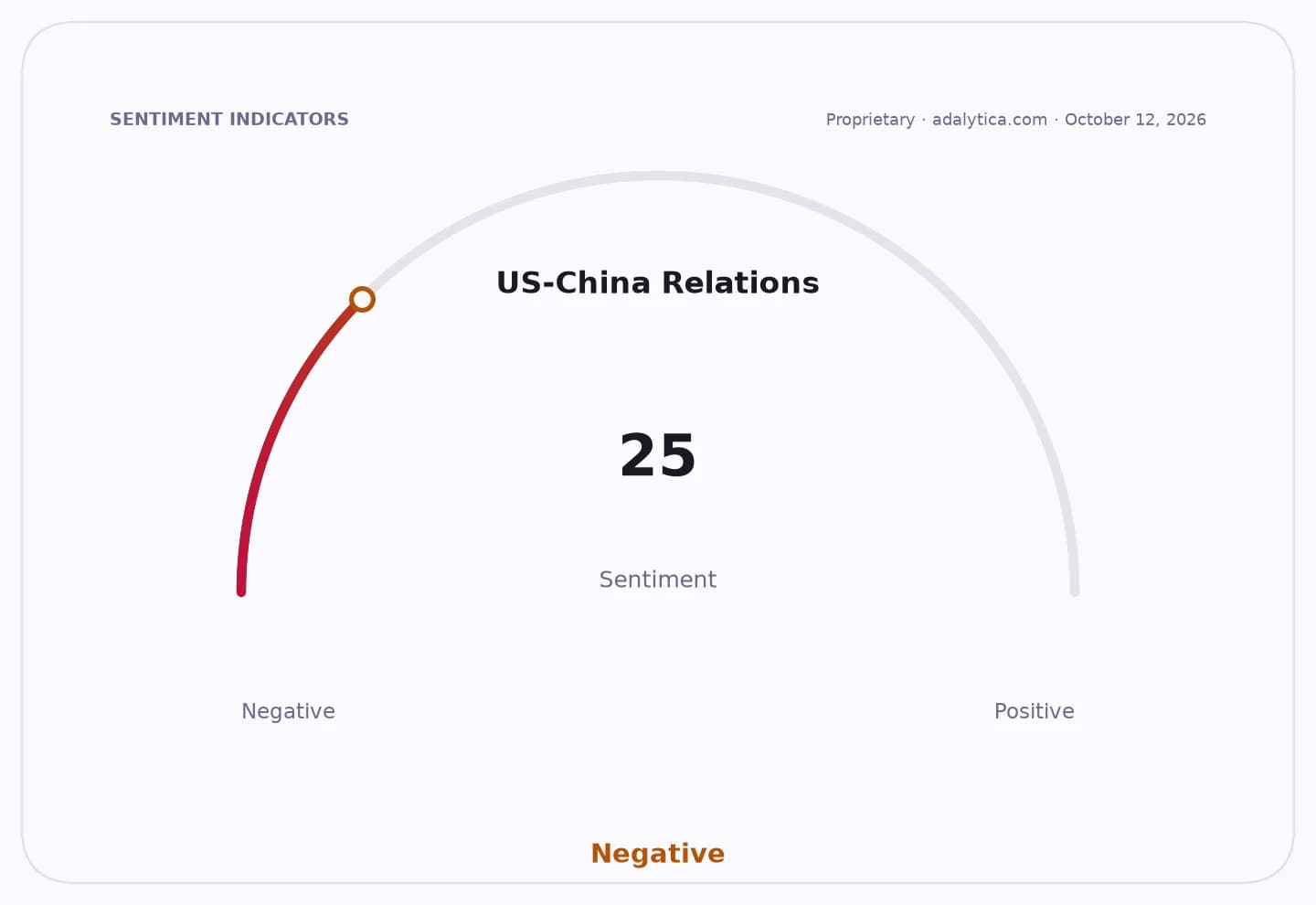
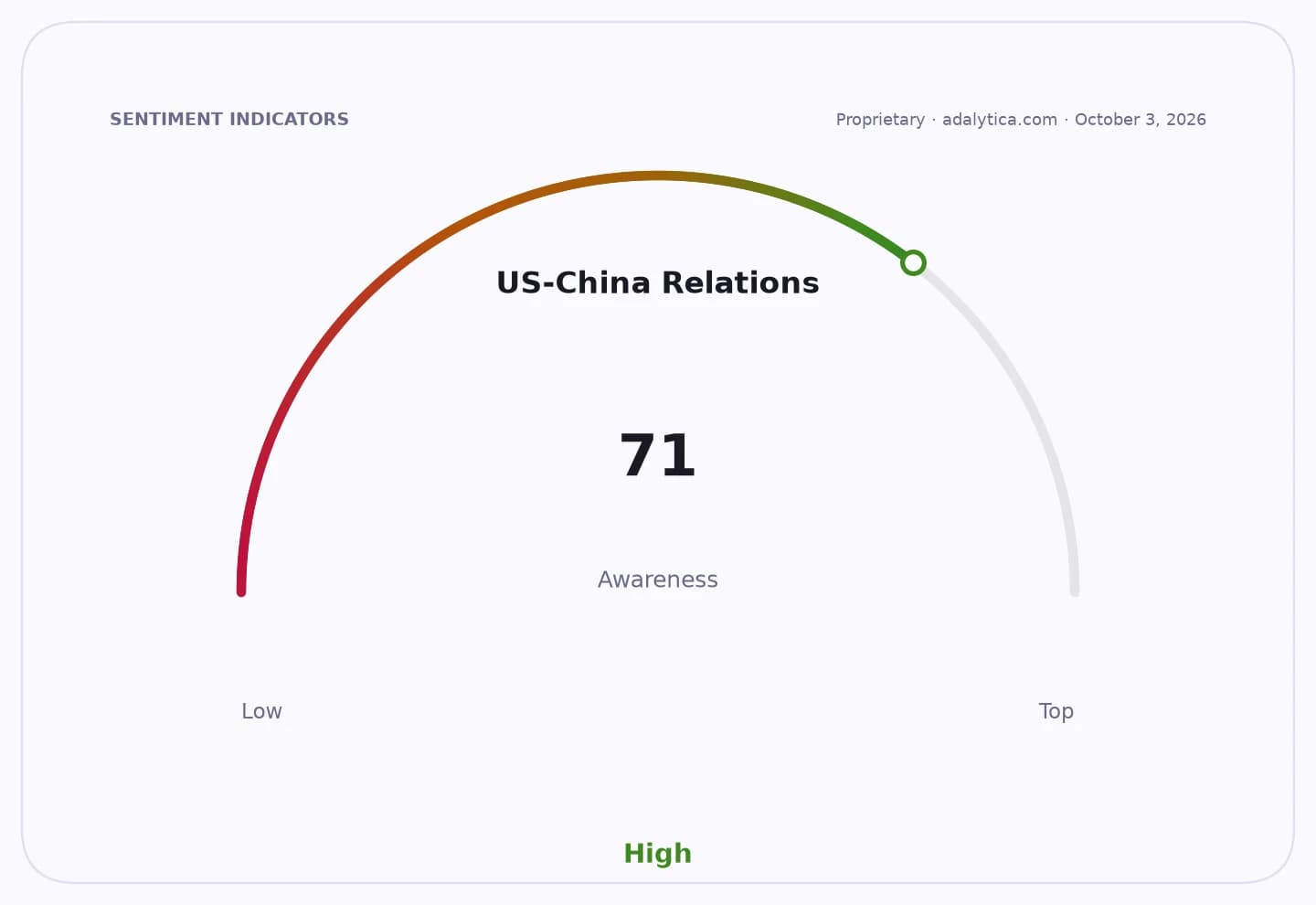
Sentiment IndicatorsⓘProprietary · adalytica.com · October 11, 2026
This is a snapshot — live sentiment, awareness and momentum for 130+ markets update continuously in the dashboard.Open AlphaPulse
For investors, that matters because the market is still pricing geopolitical risk as a series of short shocks rather than a persistent macro regime. Russia’s dependence on Asian buyers has already redirected commodity flows, and any signal that Beijing will continue to back Moscow diplomatically — and potentially technologically — raises the odds of a longer conflict and more fragmented global trade. That is bullish for defense spending, supportive for energy producers and constructive for gold as a hedge against policy mistakes and geopolitical escalation.
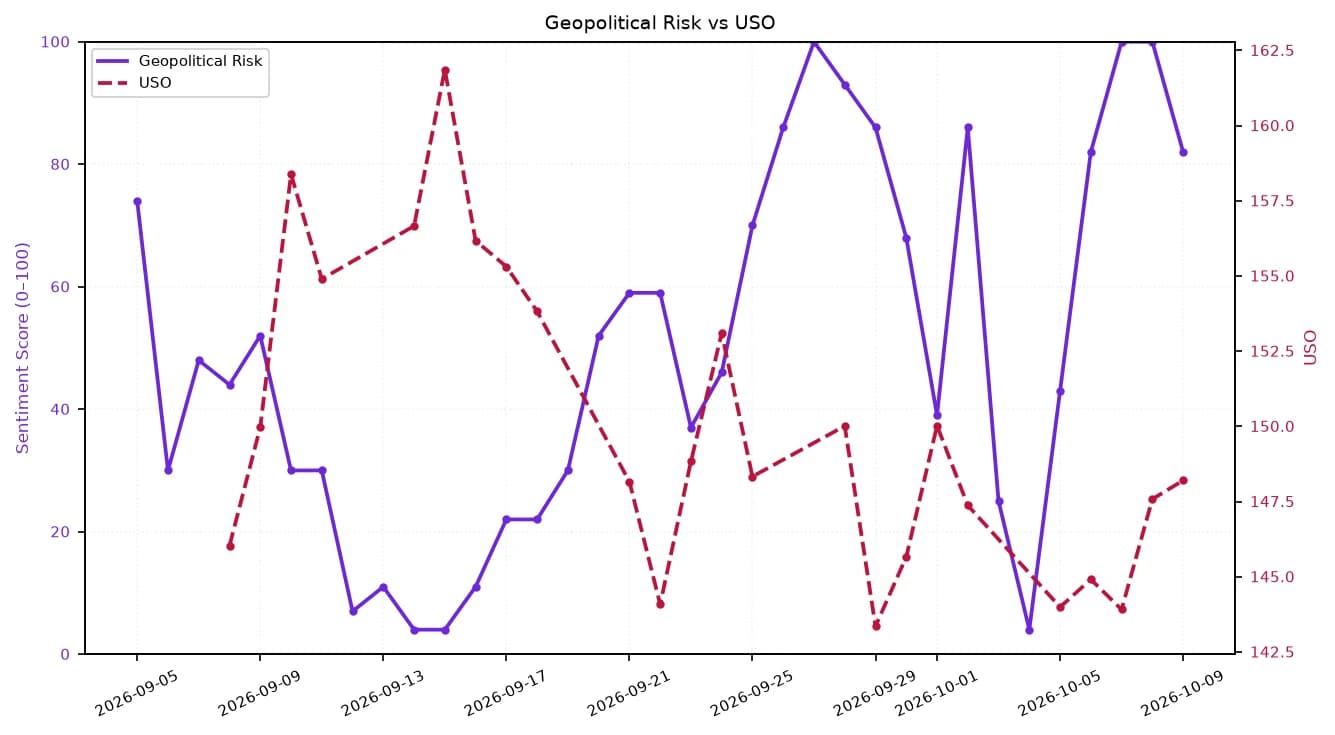
The move also lands against a backdrop of elevated fear in global stability gauges and a market that has been willing to pay up for insurance. Brent-linked oil exposure has remained firm, while gold has drawn renewed demand as investors hedge against a world where sanctions, shipping disruptions and supply-chain realignment are becoming structural rather than cyclical.
Geopolitical Risk — 30-day sentimentadalytica.com
Explore this data interactively — full history, time series and cross-market comparisons.Open AlphaPulse
The bigger narrative is that Russia and China are not merely managing bilateral relations; they are building an alternative strategic axis that weakens Western leverage over energy, technology and trade. The more that axis deepens, the more capital flows toward hard assets, military suppliers and infrastructure tied to energy security and away from regions and sectors exposed to Europe’s stagnation and sanctions spillovers.
I believe the market underestimates how durable this alignment could become. If Beijing keeps walking a fine line between public neutrality and practical support, investors should continue positioning for a world of higher geopolitical premia, stronger commodity floors and sustained demand for defense, energy and gold.
| Entity | Gains | Losses |
|---|---|---|
| Russia | ▲Diplomatic backing | ▼Western isolation |
| China | ▲Strategic leverage | ▼Trade friction with Europe |
| Energy producers | ▲Higher risk premium | ▼Consumers and importers |
| Gold and defense stocks | ▲Safe-haven demand | ▼Risk assets exposed to escalation |