Vietnam is signaling that its relationship with China remains a core pillar of foreign policy, with senior Communist Party official Nguyen Xuan Thang stressing deeper cooperation and theoretical exchange between the two ruling parties at a time when both countries are trying to keep their strategic ties on a steadier, more practical footing.
Vietnam-China Ties Remain a Key Policy Pillar
That matters because Vietnam’s growth model still depends heavily on stable trade routes, Chinese supply chains and a workable political relationship with its largest neighbor. For investors, the message is less about headlines and more about continuity: better diplomatic coordination lowers the odds of disruption for manufacturers, exporters and regional supply-chain planners that have been betting on Vietnam as an alternative production base in Asia.
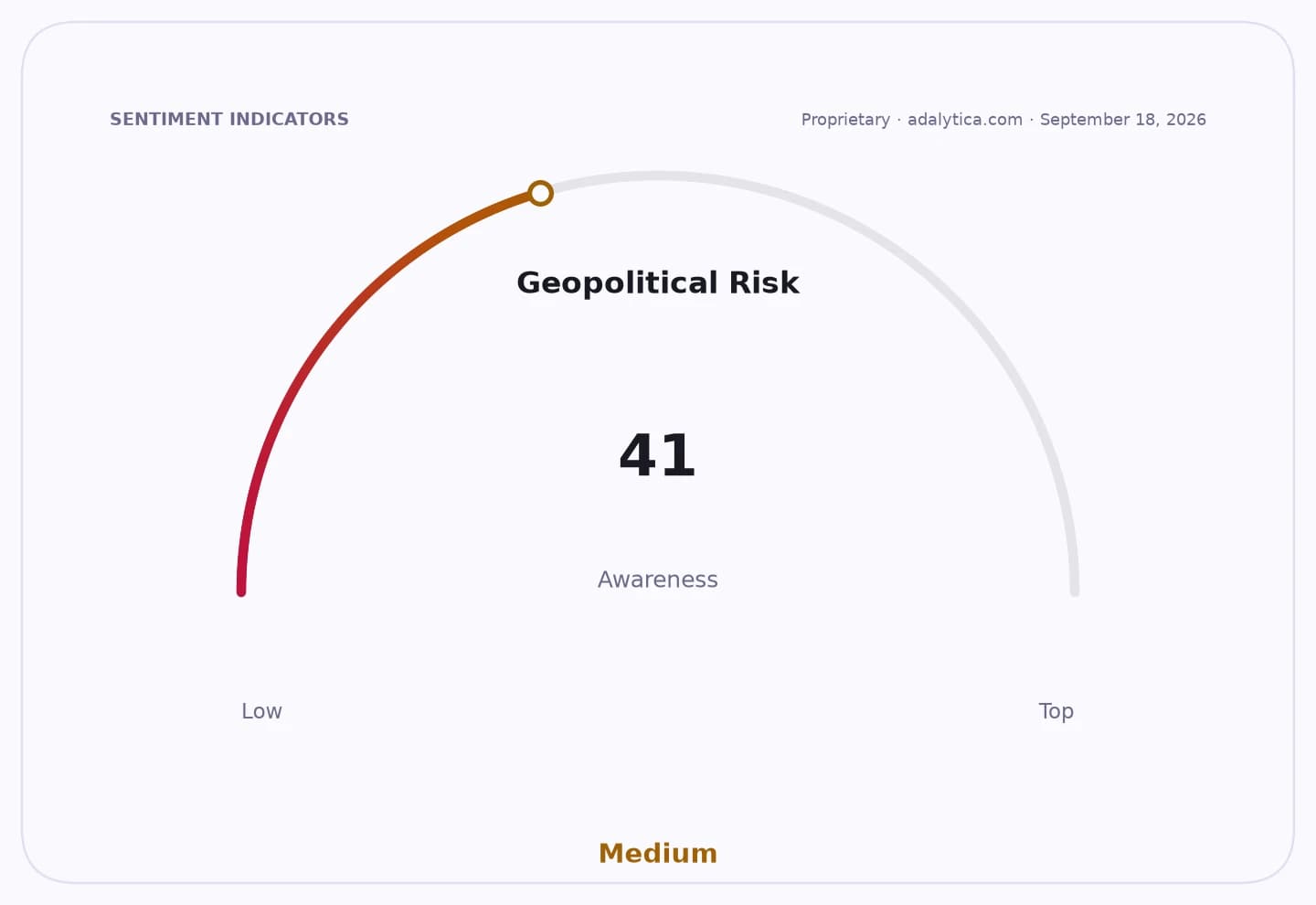
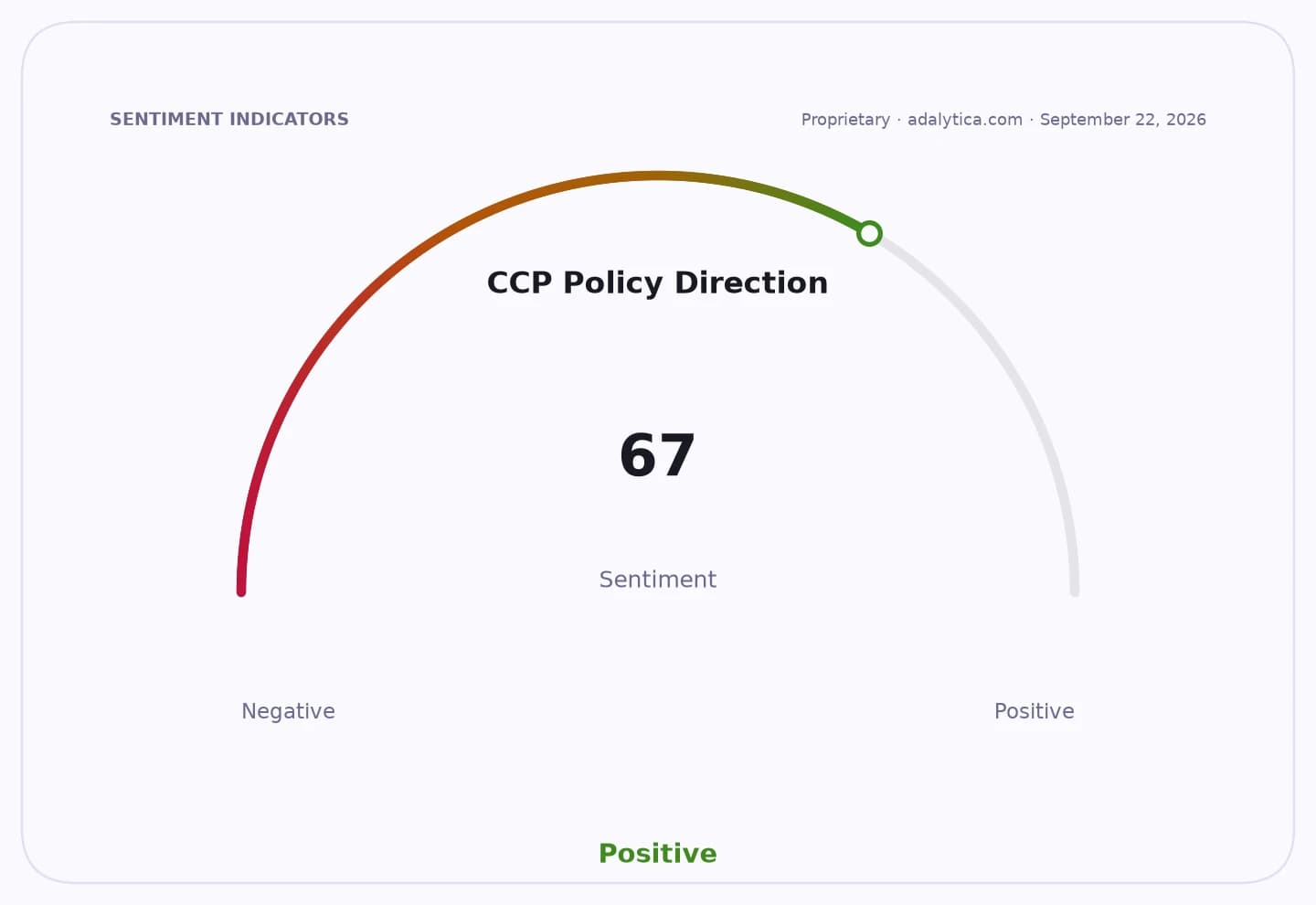
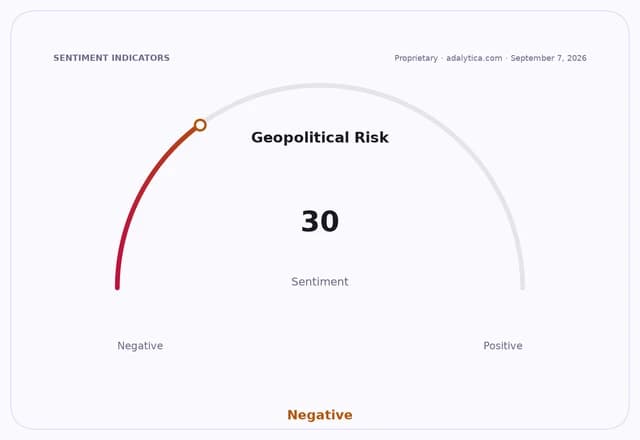
Sentiment IndicatorsⓘProprietary · adalytica.com · September 7, 2026
This is a snapshot — live sentiment, awareness and momentum for 130+ markets update continuously in the dashboard.Open AlphaPulse
Nguyen Xuan Thang said Vietnam-China relations hold an important place in Hanoi’s overall foreign policy, underscoring especially that the two socialist countries are led by the Communist Party. He also highlighted the importance of cooperation and theoretical exchange between the two parties in the “new era,” language that points to a relationship being managed not just through trade and infrastructure, but through political alignment and party-to-party dialogue.
The comments come after what Vietnamese officials described as a historic state visit to China by General Secretary and State President To Lam in April 2026, which they said lifted the comprehensive strategic cooperative partnership to a “new height.” That kind of language tends to matter in practical ways: it can smooth the way for more cross-border investment, border trade, logistics coordination and policy conversations around technology, energy and industrial development.
For long-term investors, the bigger story is that Vietnam is trying to hedge its future by keeping China close while still broadening partnerships elsewhere. That balancing act is crucial. China is both a major trading partner and a source of supply-chain dependence, but also a competitor for foreign capital and manufacturing investment. A more predictable bilateral relationship can support Vietnam’s industrial growth, even as the country continues to court Japan, Russia, France and other partners to diversify its economic options.
The market angle is modest but real. Vietnam-focused assets tend to benefit when geopolitics reduces friction rather than adds it. Stable relations can help sentiment around Vietnamese equities, exporters and regional supply-chain beneficiaries, while any sign of deterioration would be more likely to weigh on risk appetite than to create a direct immediate price shock.
The lesson for investors is that Vietnam’s investment case is still built on execution and stability. Cooperation with China may not be the most exciting theme, but it is one of the most economically important. In a world where supply chains, trade policy and political trust increasingly overlap, Hanoi’s effort to keep Beijing engaged is worth watching for what it says about the durability of Vietnam’s growth story.
| Entity | Gains | Losses |
|---|---|---|
| Vietnam government | ▲Diplomatic stability | ▼Higher policy friction |
| China government | ▲Regional influence | ▼Isolation risk |
| Vietnamese exporters | ▲Smoother trade flows | ▼Border or logistics disruptions |
| Geopolitical skeptics | ▲— | ▼Less room for confrontation |