Taiwan’s plan to open a second quasi-diplomatic office in the Philippines is a small move on paper, but it matters because it shows Taipei is still finding ways to widen its regional footprint even as Beijing tries to box it in.
Taiwan plans second office in the Philippines
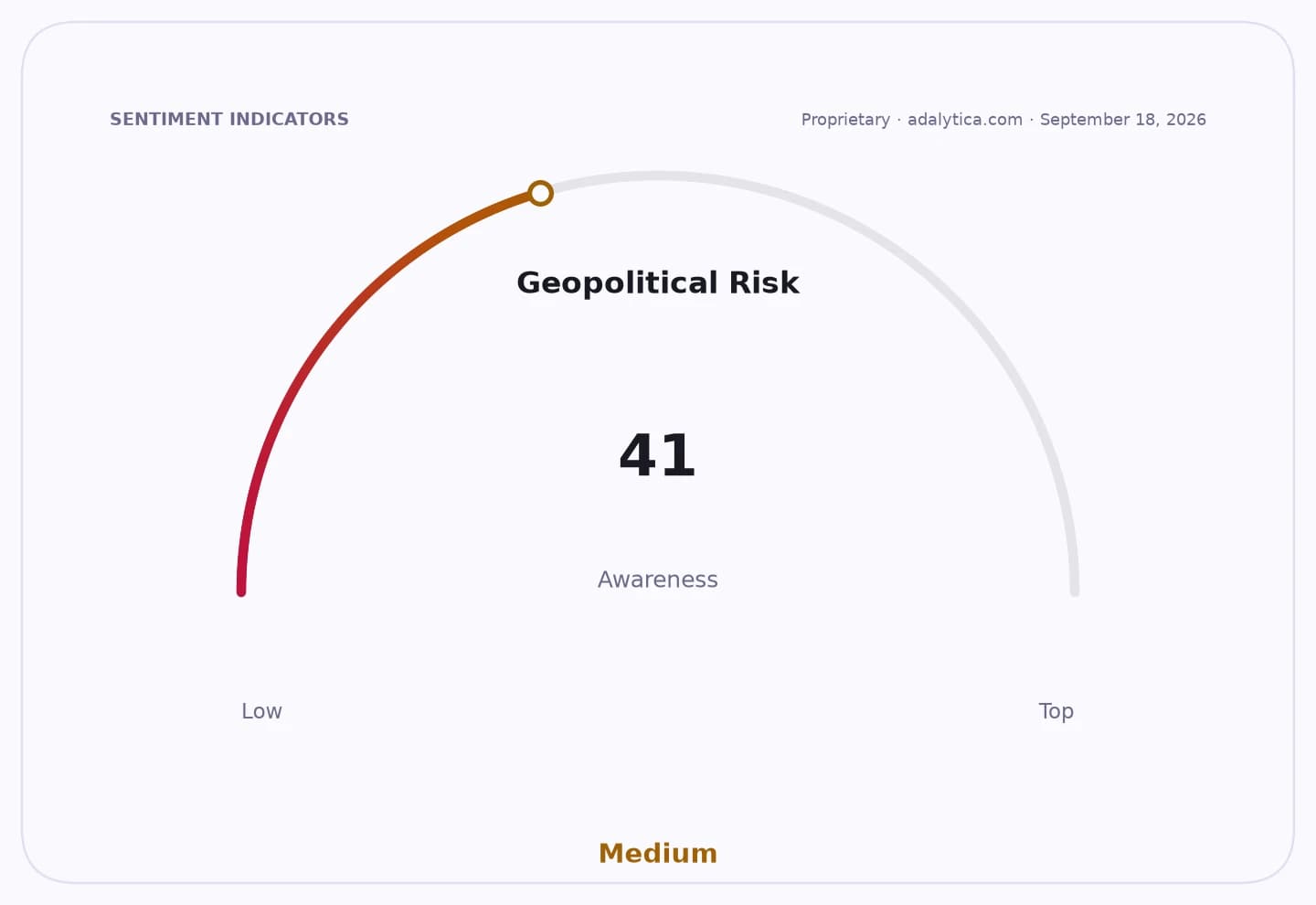
The new office would deepen Taiwan’s practical ties with Manila at a time when the South China Sea is already a live geopolitical risk. For investors, that means another sign that tensions between China and U.S.-aligned Asian economies are not easing, and that trade, shipping routes and cross-border business ties in the region remain vulnerable to political shocks.
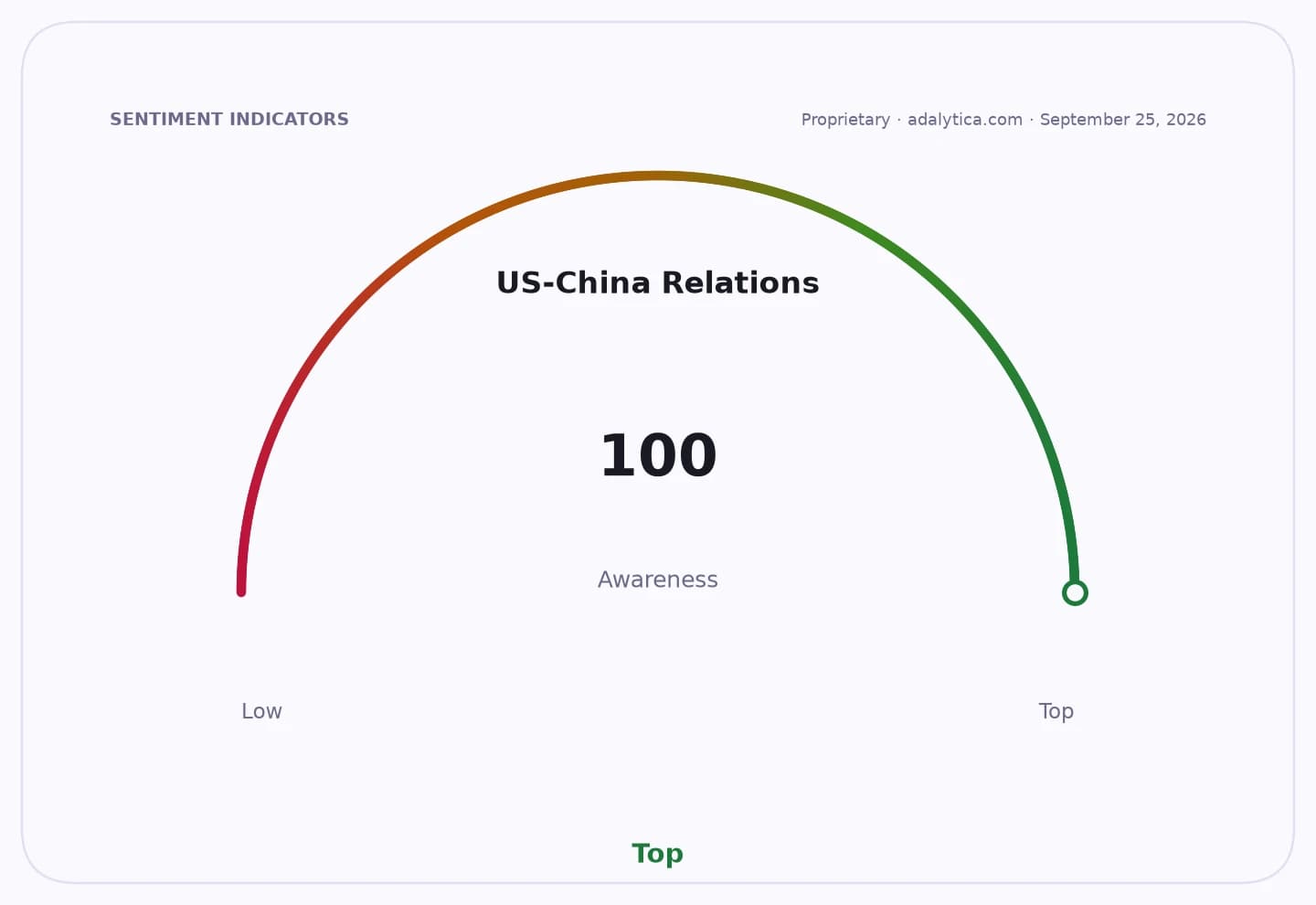
Sentiment IndicatorsⓘProprietary · adalytica.com · September 18, 2026
This is a snapshot — live sentiment, awareness and momentum for 130+ markets update continuously in the dashboard.Open AlphaPulse
Taiwan Foreign Minister Lin Chia-lung confirmed the plan after Nikkei Asia reported it, saying the push is about strengthening ties with the Philippines rather than making symbolic gestures. That distinction matters. Taiwan has long used trade, investment, labor and people-to-people links to build influence where formal diplomacy is blocked by Beijing’s “one China” policy.
China’s response was predictably sharp. Beijing called the move “doomed,” a reminder that it treats any expansion of Taiwan’s overseas presence as a challenge to its authority. That hard line is one reason Taiwan relies on these unofficial missions: they are not embassies, but they can still support commerce, consular services and political outreach.
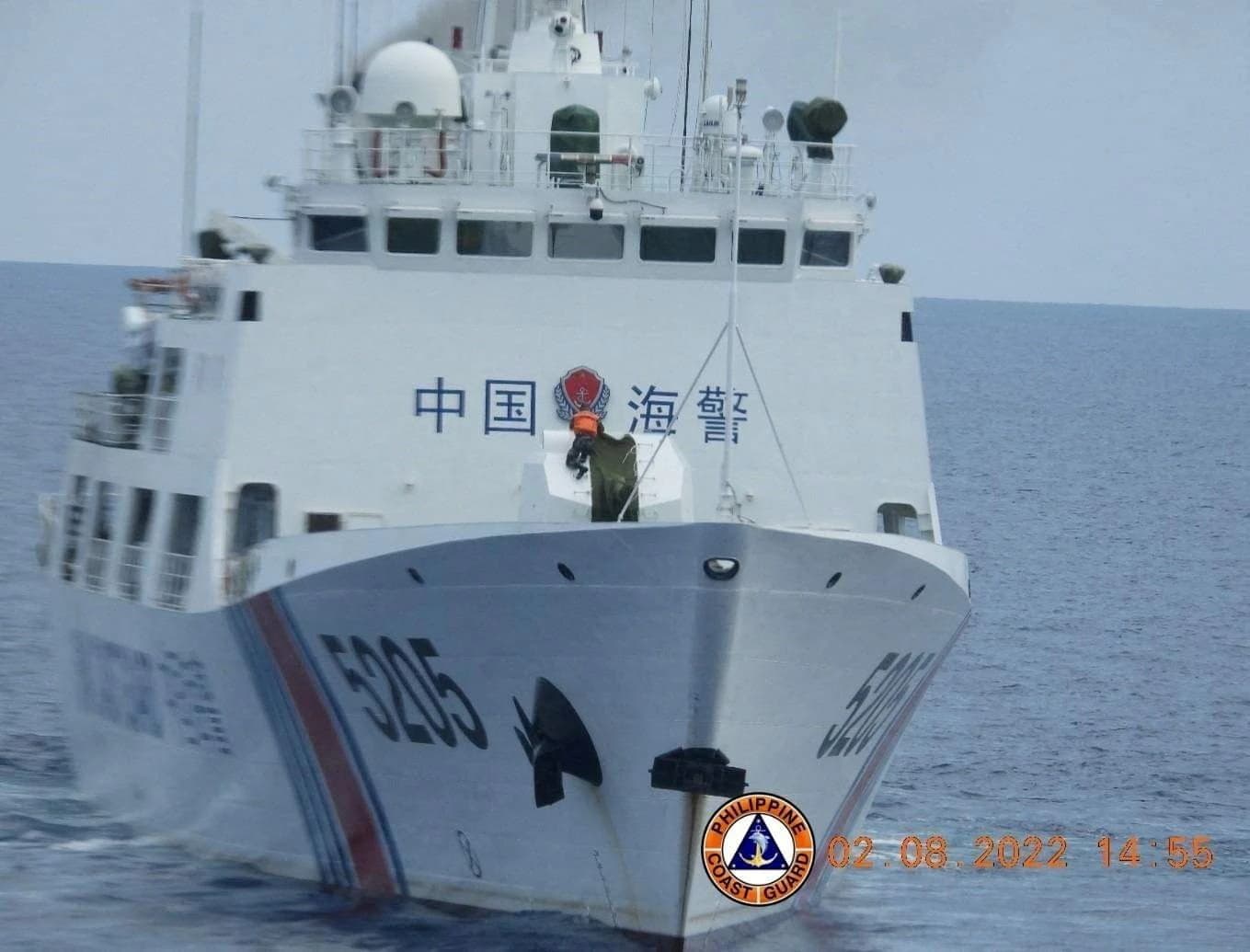
The backdrop is increasingly uncomfortable for the region. The Philippines and China have been locked in repeated confrontations in disputed South China Sea waters, and Manila has complained about unsafe Chinese actions at sea. A new Taiwan office in the Philippines will not solve those disputes, but it does underline how Southeast Asia is becoming a bigger arena in the broader contest between Beijing and its neighbors.
For investors, the immediate takeaway is not to trade this headline day to day, but to recognize the longer arc. More Taiwan-Philippines engagement supports the case for supply-chain diversification away from China and toward the wider Asia-Pacific. It also raises the premium on companies and sectors exposed to regional shipping, semiconductors, defense and industrial investment in the Philippines and Taiwan.
China and Taiwan remain locked in a strategic competition that rarely produces dramatic market moves in a single session, but over time it shapes where capital, factories and trade routes flow. That is why developments like this are worth watching: they add to the case for a diversified, long-term approach to Asia rather than a bet on calm returning soon.
| Entity | Gains | Losses |
|---|---|---|
| Taiwan | ▲Wider regional reach | ▼Beijing pressure |
| Philippines | ▲More economic ties | ▼Diplomatic friction |
| China | ▲— | ▼Influence over Taipei |
| Investors in Asia diversification | ▲Supply-chain optionality | ▼Geopolitical uncertainty |