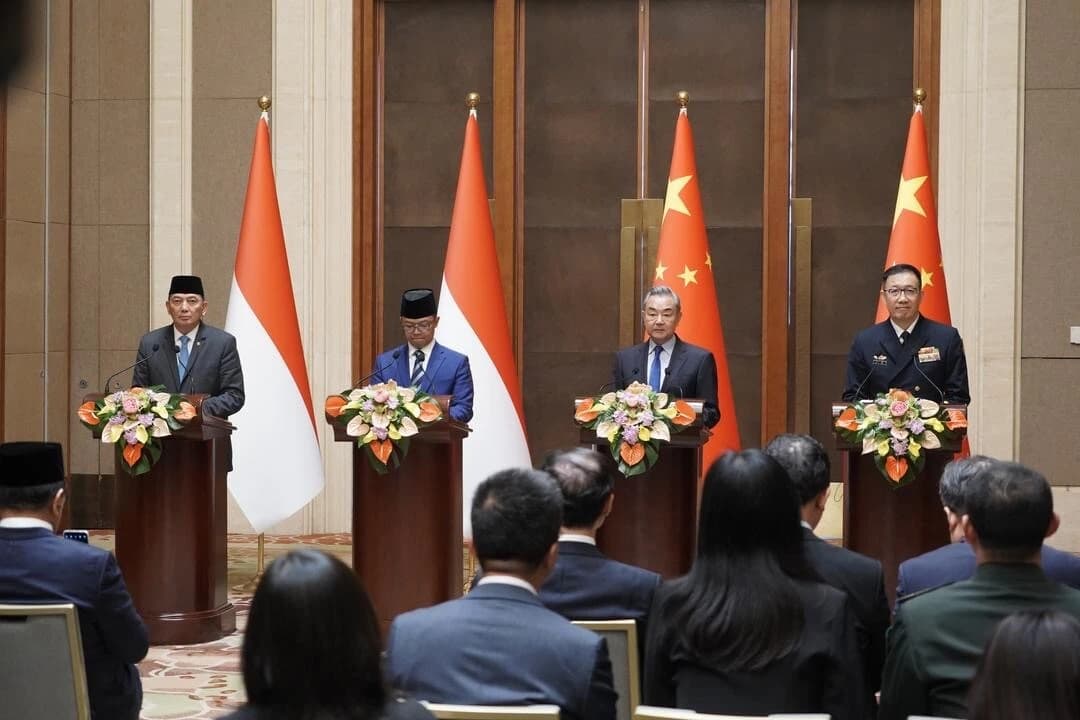
China’s push to deepen trade ties with Southeast Asia took center stage in Nanning as CAEXPO 2026 opened alongside the China-ASEAN Business and Investment Summit, underscoring how Beijing is using infrastructure and commerce to keep regional integration moving even as geopolitical friction stays elevated.
China ASEAN trade ties deepen in Nanning

That matters because China’s trade relationship with ASEAN has become one of the most important pressure valves in the global economy. As western demand remains uneven and supply chains keep shifting, a more efficient China-ASEAN corridor gives exporters, manufacturers and logistics firms a clearer route to growth. The opening of the 134-kilometre Pinglu Canal is part of that story: by linking inland China more directly to sea-borne trade, it should lower transport frictions and support heavier flows of industrial goods, commodities and consumer products across the region.

For investors, the significance is twofold. First, it reinforces the long-term investment case for companies tied to cross-border trade, shipping, ports, industrial automation and consumer platforms with exposure to Southeast Asia. Second, it offers a reminder that Beijing continues to favor practical integration over political noise, which can be helpful for sentiment across China-focused exchange-traded funds and broader Asian trade plays. China shares in the FXI ETF were still around $34.32 in recent trading, while the KWEB internet fund traded near $24.83 and the ASEA Southeast Asia fund was near $21.04, reflecting a market that is watching for policy support but has not fully priced in a sustained trade upcycle.
The exhibition floor in Nanning also carries its own economic message. CAEXPO has evolved into more than a diplomatic showcase; it is a deal-making venue where companies from Vietnam, including Da Nang-based firms, are looking for export openings and partnership opportunities. That is the kind of incremental commercial activity that can compound over years, especially if logistics links improve and regional supply chains become more tightly knit.
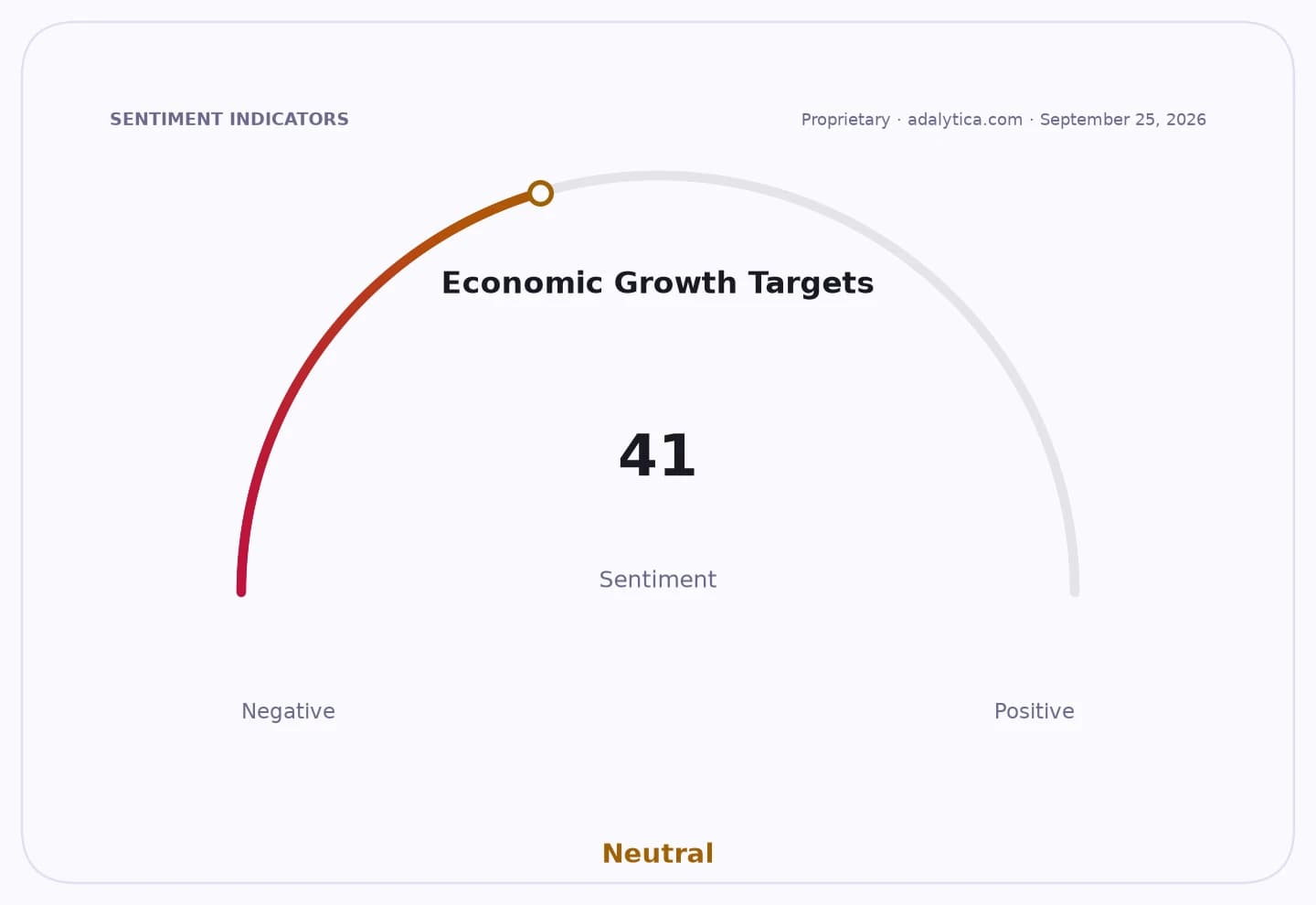
Adalytica’s sentiment gauge on the China-ASEAN trade backdrop points to a constructive tone, but investors should still keep expectations grounded. Trade cooperation can expand even when earnings and share prices move unevenly in the short term, and China-linked equities remain sensitive to policy, property weakness and global growth swings. Still, for patient investors, the bigger picture is clear: deeper China-ASEAN connectivity is a secular theme, not a one-week headline. It is worth watching for the industries and funds positioned to benefit from a more integrated regional economy.
| Entity | Gains | Losses |
|---|---|---|
| China exporters | ▲Lower logistics friction | ▼Slower domestic-only demand |
| ASEAN manufacturers | ▲More trade access | ▼Firms facing fiercer competition |
| Shipping and port operators | ▲Higher cargo volumes | ▼Higher capacity pressure |
| China-focused ETFs | ▲Better regional growth narrative | ▼Short-term policy skepticism |