Vietnam’s dong has become one of Asia’s strongest performers against the dollar even as the economy faces a widening trade gap, a firm US currency and surging energy costs that would normally pressure the exchange rate.
Vietnam dong holds firm despite trade deficit
The move matters because a stronger dong helps damp imported inflation, eases the local-currency burden of foreign-currency debt and reduces the risk that households and companies rush into dollars as a hedge. That stabilizing effect is particularly important now, with Vietnam still running a sizeable goods trade deficit and global oil prices near levels that keep import bills elevated.
Sentiment Indicators
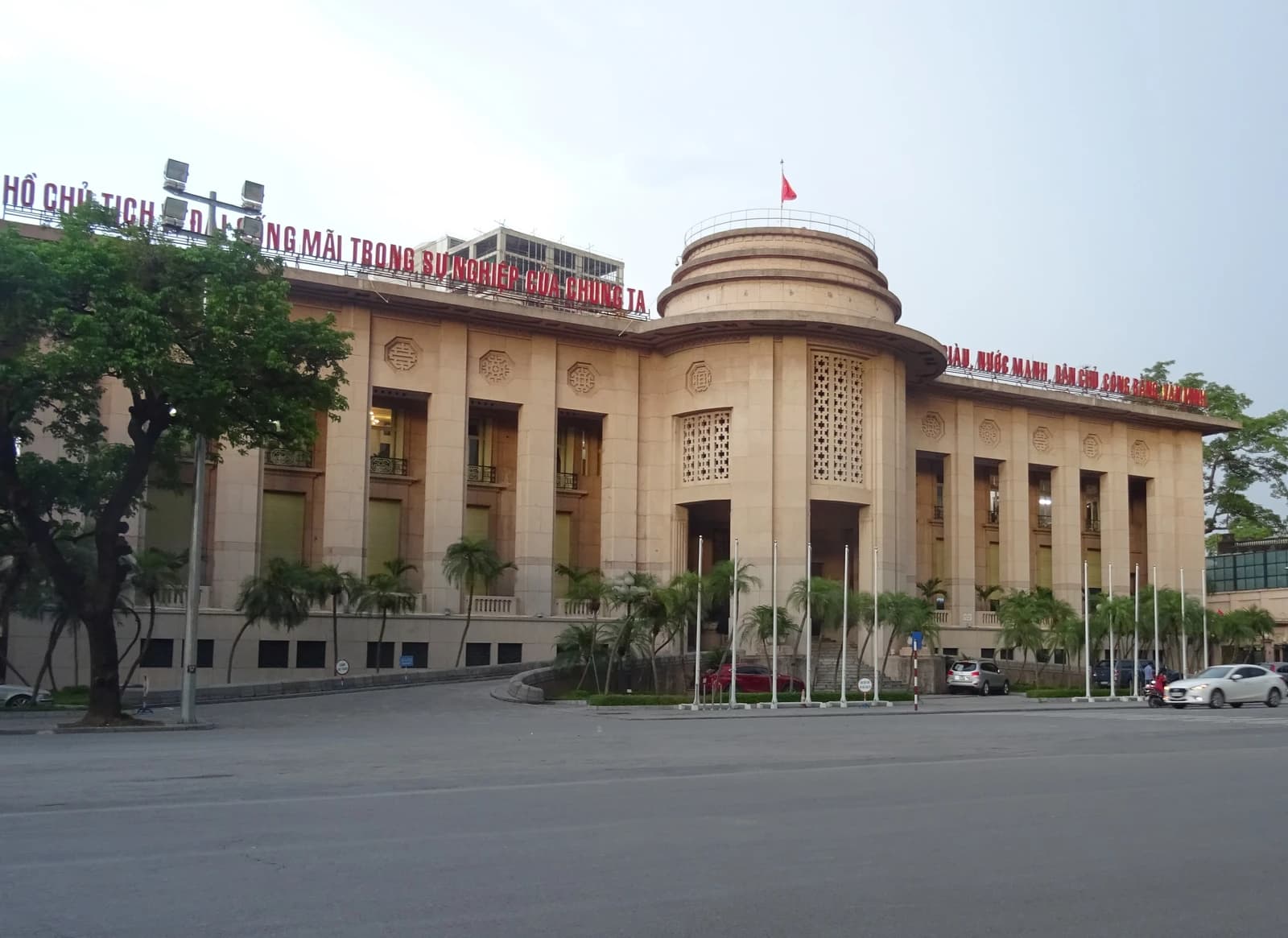
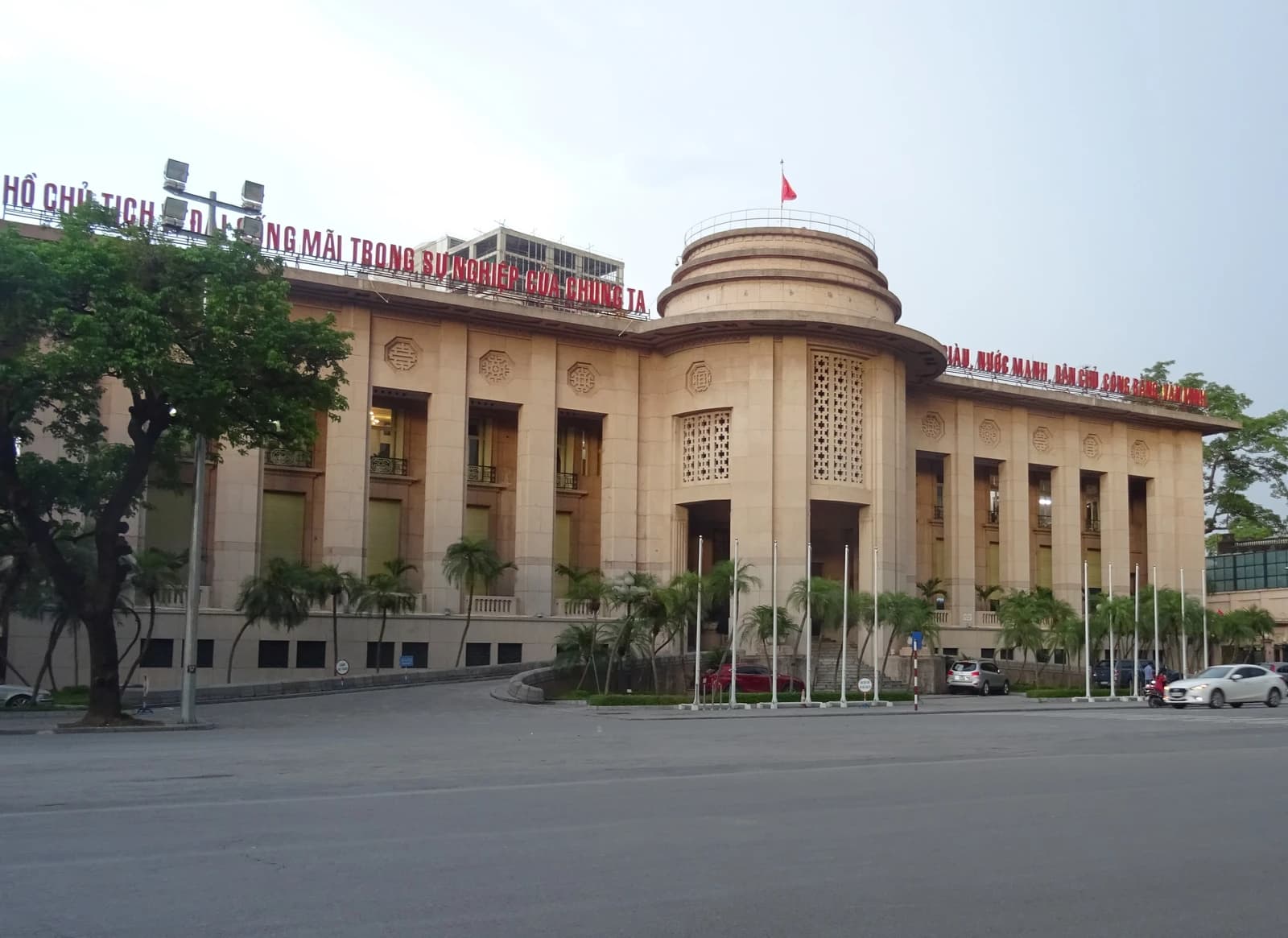
As of Nov. 2, the State Bank of Vietnam set the central rate at 25,631 dong per dollar, down 6 dong from Oct. 30. Commercial banks were little changed, with dollar selling prices around 25,990 dong, while the free market saw a sharper pullback: the cash dollar fell 140 dong to 26,000 and the selling rate dropped 160 dong to 26,050. The gap between the free market and bank selling rates narrowed to just 60 dong from 220 dong two days earlier, a sign pressure in the informal market has eased.
For the year to date, Vietnam’s benchmark exchange rate has risen 2.02%, even though the dollar index was up 3.49% at the end of October. In the interbank market, the dollar/dong rate was down 1.87% from the start of the year, putting the dong among the top three Asian currencies in a sample of 10, behind only the Korean won and the Chinese yuan. The won was up 7.18% against the dollar and the yuan 4.79%, while currencies such as the rupiah, peso and baht were weaker.
That resilience stands out because the macro backdrop is not especially friendly. Vietnam’s cumulative goods trade deficit reached $17.66 billion through Oct. 15, while Brent crude was approaching $110 a barrel and WTI was above $100, raising import, transport and production costs. Those dynamics normally feed expectations of a weaker currency and more imported inflation.
Instead, the State Bank appears to be leaning on liquidity management to keep the foreign-exchange market orderly. It injected a net 28.16 trillion dong in the week of Oct. 26-30 through open-market operations, while maintaining a 4.5% auction rate. Short-term VND money-market rates remained above dollar rates, with overnight dong funding at 6% at the end of October versus 3.81% for the dollar, a spread that supports holding dong assets rather than dollars.
For investors, that combination is important. A firmer dong lowers near-term pressure on domestic margins for importers and manufacturers, supports the local bond and banking backdrop, and suggests the central bank still has room to smooth volatility without resorting to abrupt tightening. The bull case is that stable liquidity and a positive VND-USD carry keep speculative dollar demand contained. The bear case is that prolonged trade deficits, expensive oil and a stronger dollar eventually force policy makers to choose between growth support and currency defense.
For now, the market is telling a more constructive story: Vietnam’s currency is holding up better than fundamentals alone would suggest, and that is helping the central bank buy time.
| Entity | Gains | Losses |
|---|---|---|
| Vietnamese consumers | ▲Lower imported inflation | ▼Less immediate relief from high prices |
| Importers and manufacturers | ▲Cheaper dollar inputs | ▼Exporters face a stronger dong |
| State Bank of Vietnam | ▲Greater FX stability | ▼More pressure to manage liquidity |
| Dollar holders/speculators | ▲Smaller volatility premium | ▼Weaker hedge demand |