A 500 million dong savings deposit in Vietnam can still generate roughly 2.7 million-3.3 million dong in monthly interest on a 12-month term, even as banks move to lower deposit rates across the system.
Vietnam banks cut deposit rates after regulator pressure
That matters because the latest round of cuts is not just a banking housekeeping exercise — it is a signal that funding costs are being pushed down under pressure from regulators, which can support credit growth and ease margins for borrowers, but also trim returns for savers who have relied on deposits as a low-risk income stream. The State Bank of Vietnam asked lenders on Oct. 19 to reduce listed deposit rates by at least 0.5 percentage point for terms of six months and longer, and banks have moved quickly since then.
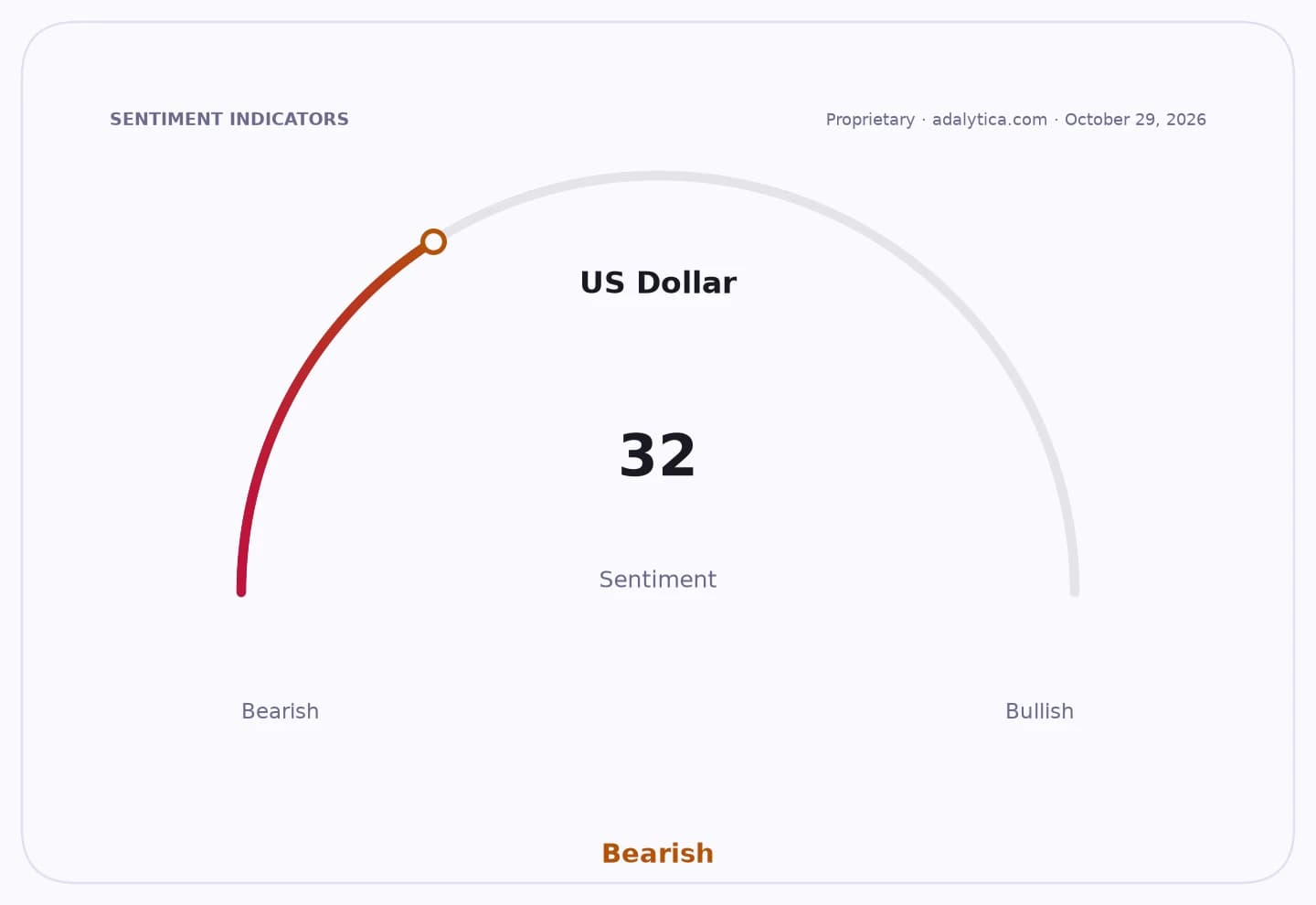
Sentiment Indicators
A survey of rates in late October showed three-month deposits commonly paying 4.5%-4.75% a year, while six- and 12-month terms were broadly in the 6%-8% range. In special promotional cases, some banks are still offering 8.5%, usually tied to membership programs or other conditions.
For a saver with 500 million dong, that means a three-month term would produce about 5.63 million-5.94 million dong at maturity, or roughly 1.88 million-1.98 million dong a month on average. A six-month deposit at 6%-8% would return around 15 million-20 million dong, while a 12-month placement at the same rate range would bring in 30 million-40 million dong over a year. At an 8.5% promotional rate, the annual interest would rise to 42.5 million dong.
The economics are clear: longer terms still pay better than rolling over short deposits, even after the recent decline in rates. Repeatedly renewing a three-month deposit four times in a year at 4.5%-4.75% would generate only about 22.9 million-24.2 million dong, well below the return from locking in a one-year deposit. For households, that reinforces the appeal of longer-tenor savings if the cash is not needed soon.
For investors, the bigger implication is that Vietnam’s deposit market is shifting toward lower funding costs, with 29 banks cutting rates this month, including MSB, VietABank and GPBank on Oct. 29. That can be supportive for banks’ lending activity and the broader domestic economy, but it also makes yield-sensitive savers more likely to shop around, move into longer maturities, or eventually look beyond deposits for better returns.
The remaining wildcard is pace. If regulatory pressure continues, deposit rates could drift lower again, narrowing the income available on cash holdings. For now, the message is straightforward: cash remains safe, but its yield is being compressed, and the market is rewarding savers who lock in rates before the next round of cuts.
| Entity | Gains | Losses |
|---|---|---|
| Banks | ▲Lower funding costs | ▼Deposit competition |
| Borrowers | ▲Cheaper credit potential | ▼— |
| Savers | ▲Higher term-deposit income if locked in early | ▼Lower yields as rates fall |
| Regulator/State Bank of Vietnam | ▲Rate stability | ▼Less market-driven pricing |