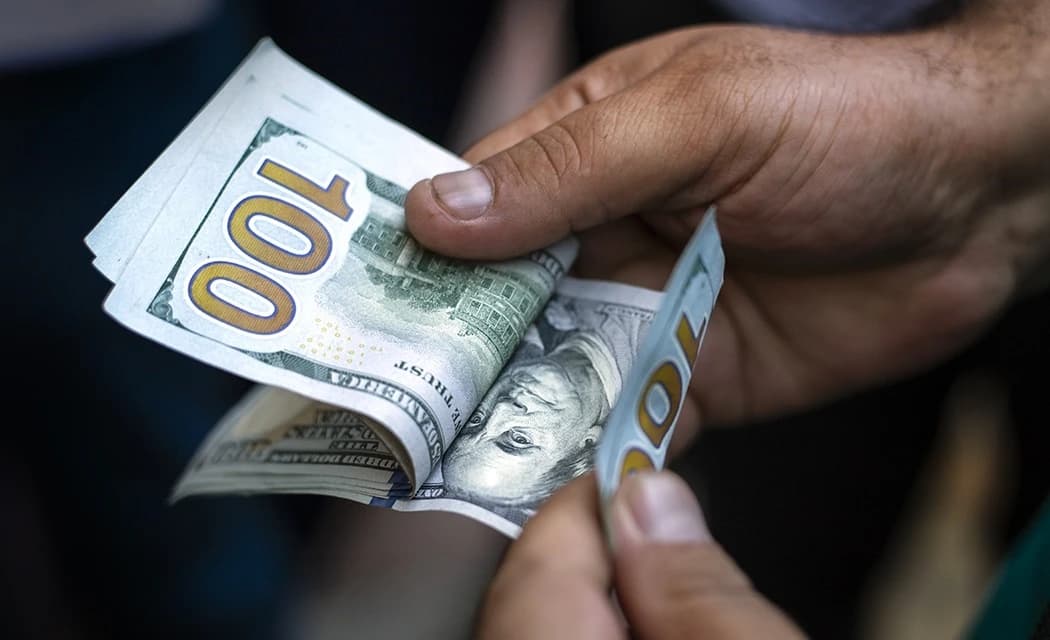
Vietnam’s central bank cut its daily reference rate again on October 23, while commercial banks also trimmed U.S. dollar and yuan quotes, a sign the dong is gaining ground as the greenback eases and China’s currency stays under pressure.
Vietnam central bank cuts USD/VND reference rate again
The State Bank of Vietnam lowered the central USD/VND rate by 5 dong from the previous session to 25,627 per dollar, widening the trading band for banks to 24,346-26,908. At Vietcombank and BIDV, the dollar was quoted at 25,660-26,040, down 10 dong on both sides of the market, while the yuan slipped another 1 dong at Vietcombank and was mostly lower at BIDV.
Sentiment Indicators
That matters because Vietnam sits at the intersection of dollar funding, trade flows and export pricing. A softer dollar takes some pressure off local importers, eases debt-servicing costs for firms with dollar liabilities and reduces imported inflation. At the same time, a weaker yuan can support China’s price competitiveness against Vietnamese exporters, so the direction of CNY remains critical for manufacturers, garment makers and electronics suppliers that sell into the same global markets.
For investors, the move reinforces the view that foreign-exchange stress in Asia is not moving in one direction. The dollar is still the dominant benchmark, but it is not strengthening uniformly, and that creates relative winners inside emerging Asia. A firmer dong can help contain domestic inflation and support policy flexibility, which is constructive for Vietnam’s rates-sensitive assets and for businesses reliant on imported inputs.
The backdrop is consistent with broader dollar softness seen in markets, where the U.S. currency has retreated from earlier highs, while China’s yuan remains closely watched as traders weigh growth concerns and policy support from Beijing. In that environment, Vietnam’s central bank appears comfortable allowing modest appreciation pressure to flow through the system rather than defending a stronger dollar peg.
The key takeaway is that the FX story in Vietnam is shifting from crisis defense to relative stability. If the dollar continues to cool and the yuan remains contained, the dong could stay supported — a constructive setup for domestic equities, importers and companies with high dollar exposure. The market underestimates how quickly that kind of currency relief can feed into earnings and valuations.
| Entity | Gains | Losses |
|---|---|---|
| Vietnamese importers | ▲Lower dollar costs | ▼Less pricing power |
| Exporters in Vietnam | ▲Stability in planning | ▼Stronger dong revenue conversion |
| Borrowers with USD debt | ▲Easier servicing | ▼— |
| U.S. dollar holders | ▲— | ▼Softer FX momentum |