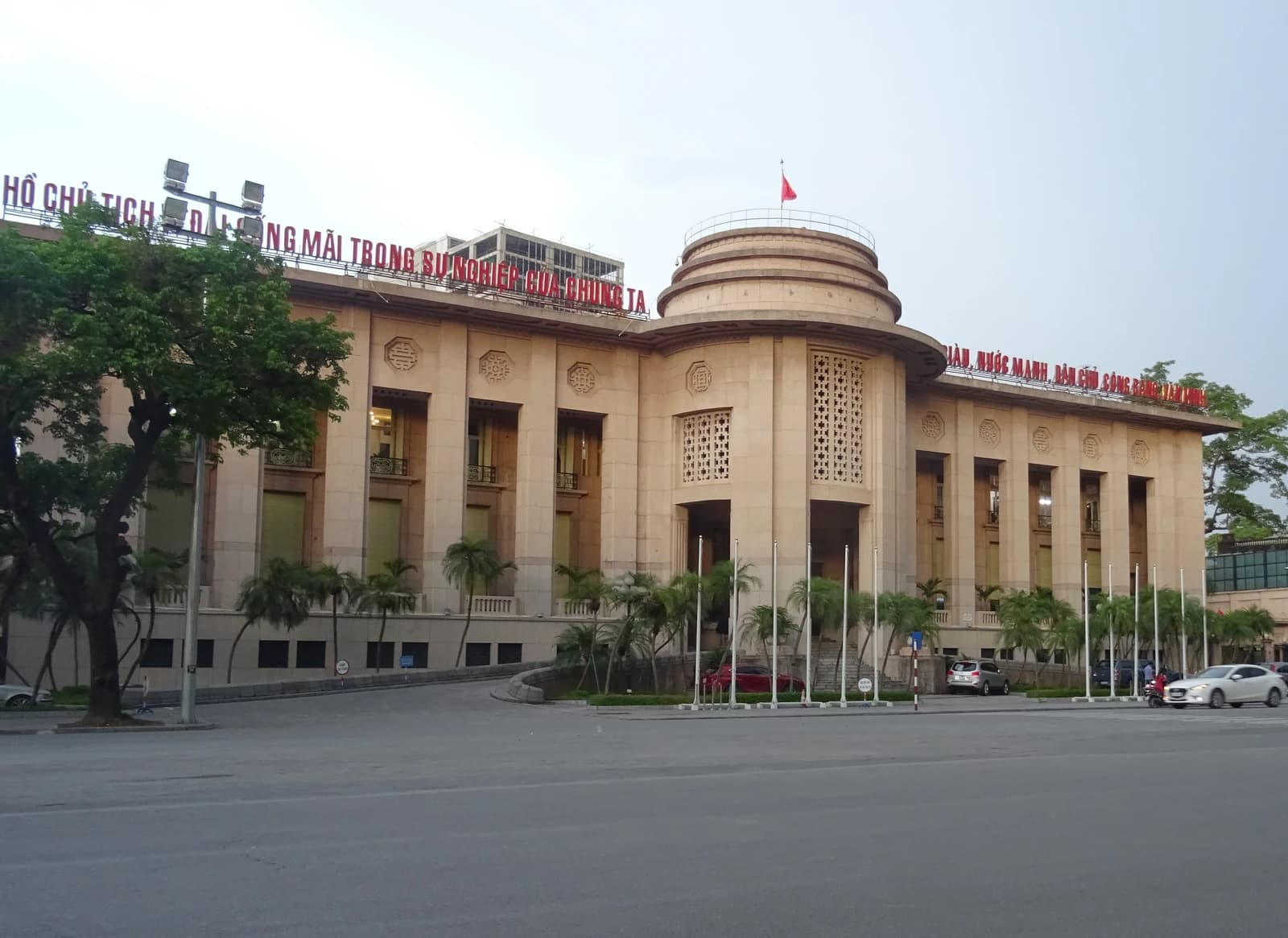
The State Bank of Vietnam has opened a foreign-currency swap channel of as much as $2 billion, a move aimed at easing dollar tightness and cushioning the dong after weeks of persistent pressure in the onshore and offshore FX markets.
Vietnam central bank opens $2 billion dollar swap

The intervention matters because it gives banks temporary access to dollars without forcing the central bank to sell reserves outright, while absorbing dong liquidity at a time when domestic funding conditions are already firming. In practice, the seven-day swap lets the SBV buy dollars spot and sell them back forward at 24,412 dong per dollar, only slightly above the 24,406 spot rate, signalling a targeted liquidity operation rather than a blunt defense of the currency.
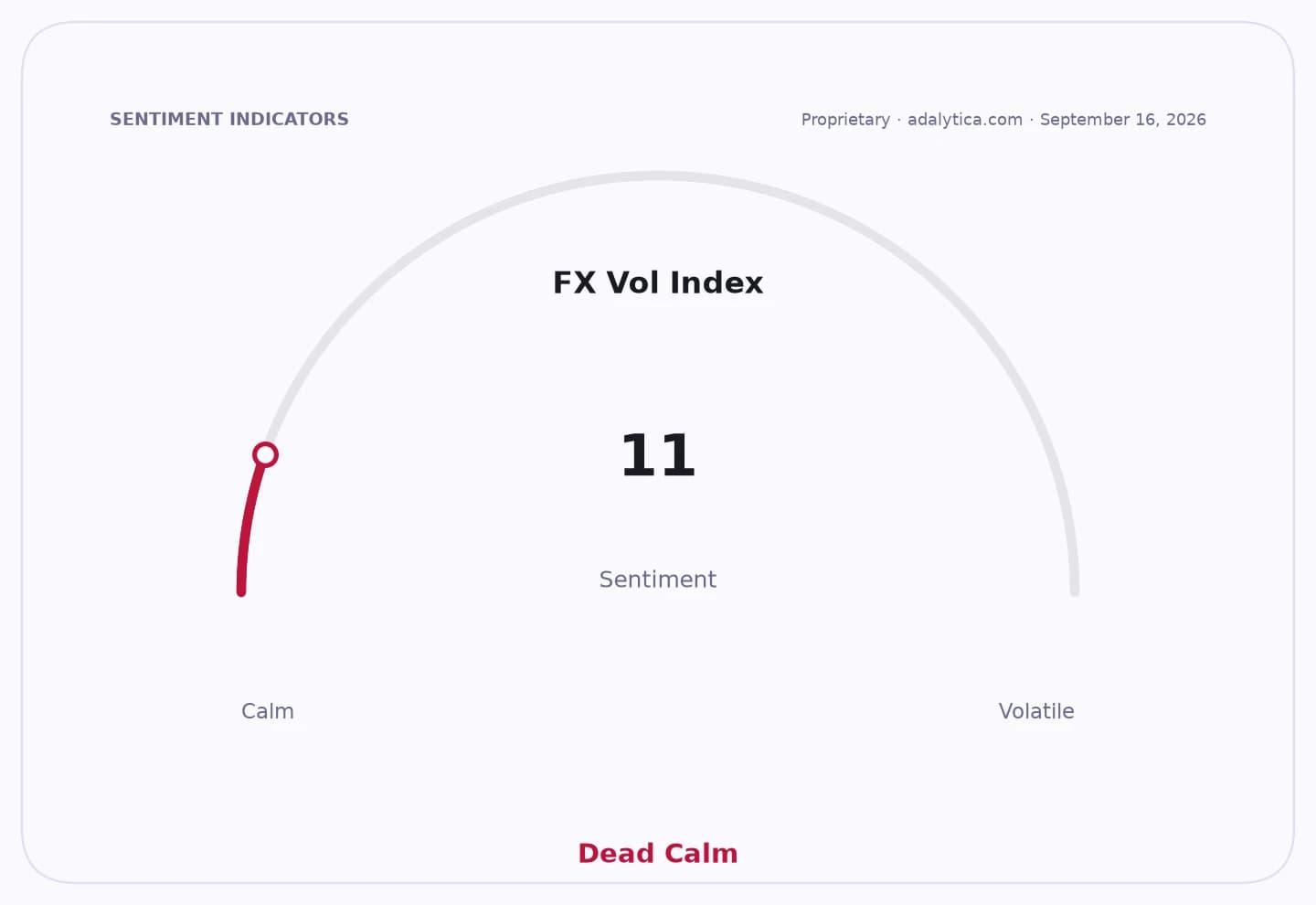
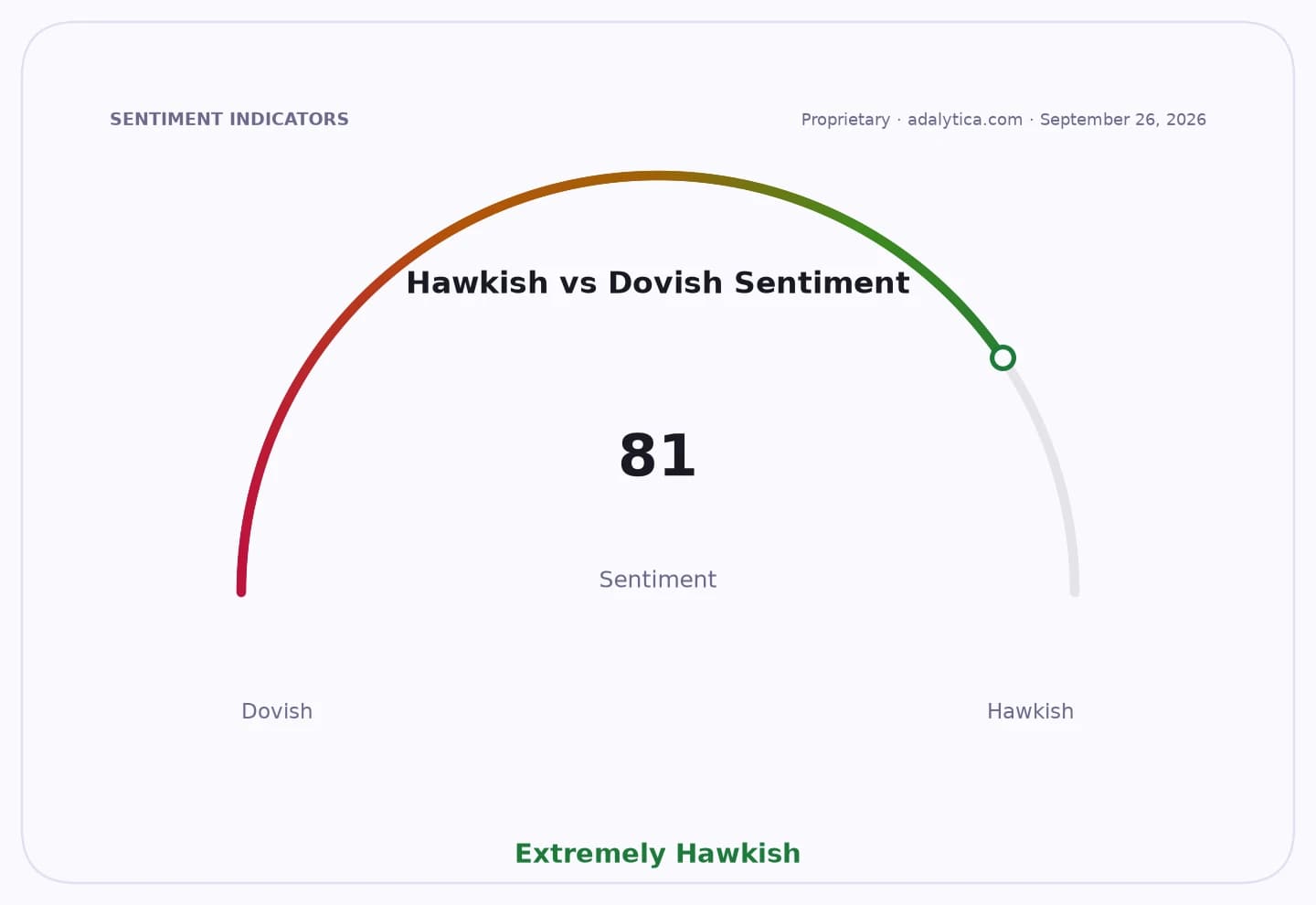
Sentiment IndicatorsⓘProprietary · adalytica.com · September 25, 2026
This is a snapshot — live sentiment, awareness and momentum for 130+ markets update continuously in the dashboard.Open AlphaPulse
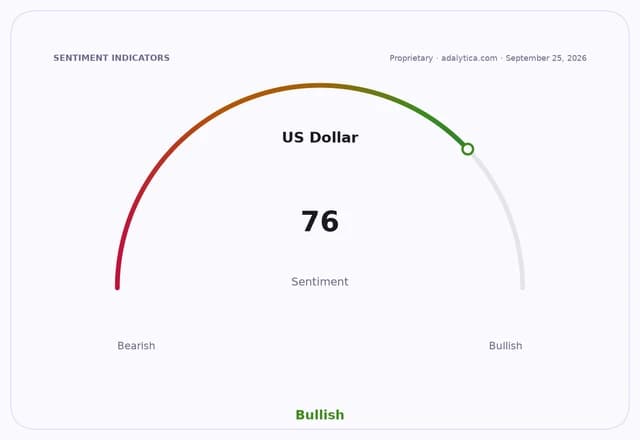
The timing is important. The SBV has kept the central rate elevated at 25,637 dong per dollar, while commercial banks have been quoting near the top of the permitted band and the free market has also stayed firm. Dollar demand has been reinforced by a stronger U.S. currency, with the DXY holding above 100, and by domestic money-market conditions that have tightened in recent weeks.
That tightening is visible in interbank rates, where overnight VND funding jumped to 4.5% late last week from 3.3% the week before, while one-week and longer tenors also moved higher. At the same time, the SBV had already been draining liquidity through open-market operations, leaving banks more sensitive to any incremental demand for dollars. The swap line therefore works on two levels: it meets immediate FX demand and helps prevent the exchange rate from becoming an even bigger source of stress for local funding markets.
For investors, the move is a reminder that Vietnam is prioritizing currency stability even as it navigates slower global capital flows and a stronger dollar backdrop. A steadier dong reduces the risk of imported inflation and helps protect corporate balance sheets with foreign-currency exposure, but it also points to tighter domestic liquidity and potentially higher short-term funding costs for lenders and companies reliant on VND borrowing.
The policy choice also suggests the SBV is trying to avoid a disorderly adjustment. By using swaps instead of outright intervention, it preserves reserves and keeps room to respond if pressure persists. That may support confidence in the near term, but if the dollar remains strong and local liquidity stays tight, the market may test how much and how long the central bank is willing to supply.
| Entity | Gains | Losses |
|---|---|---|
| SBV | ▲More FX control | ▼Less policy flexibility |
| Vietnamese banks | ▲Short-term dollar access | ▼Higher dong funding costs |
| Importers / USD borrowers | ▲Lower immediate FX stress | ▼Ongoing hedge costs |
| Dong shorts | ▲Reduced upside | ▼Intervention risk |