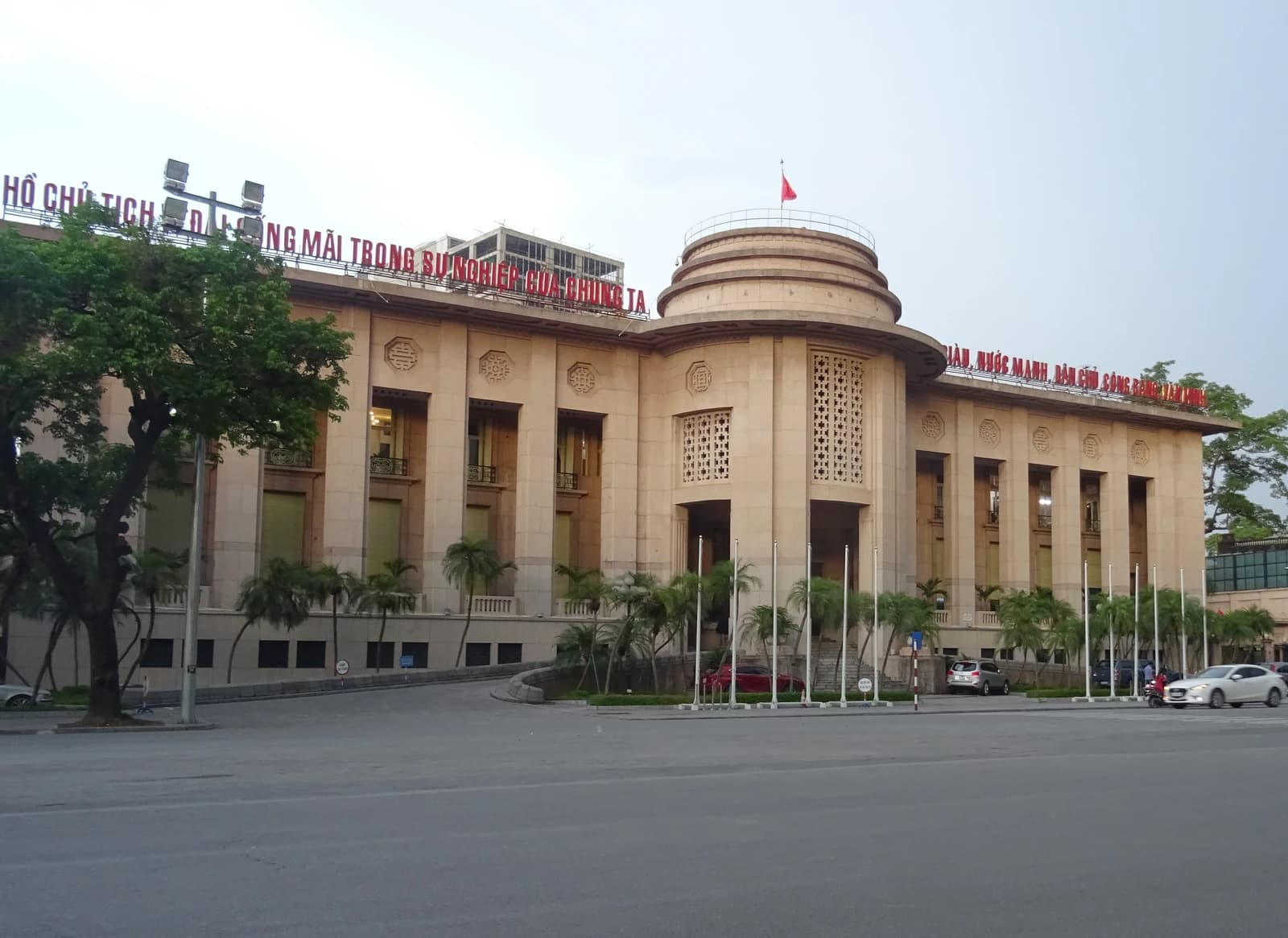
The Federal Reserve’s quarter-point rate increase is the main new risk for emerging-market currencies, but Vietnam still has several buffers that could keep the dong relatively steady in the months ahead.
Vietnam dong steadies after Fed rate hike
Why does that matter? Because when the Fed tightens, the first market reaction is usually a stronger dollar, higher global funding costs and more pressure on currencies in economies that rely on foreign capital and imported inputs. For Vietnam, that can feed into imported inflation, tighten room for domestic rate cuts and raise the cost of dollar-denominated imports such as fuel, machinery and components. But it does not automatically mean a destabilizing currency move.
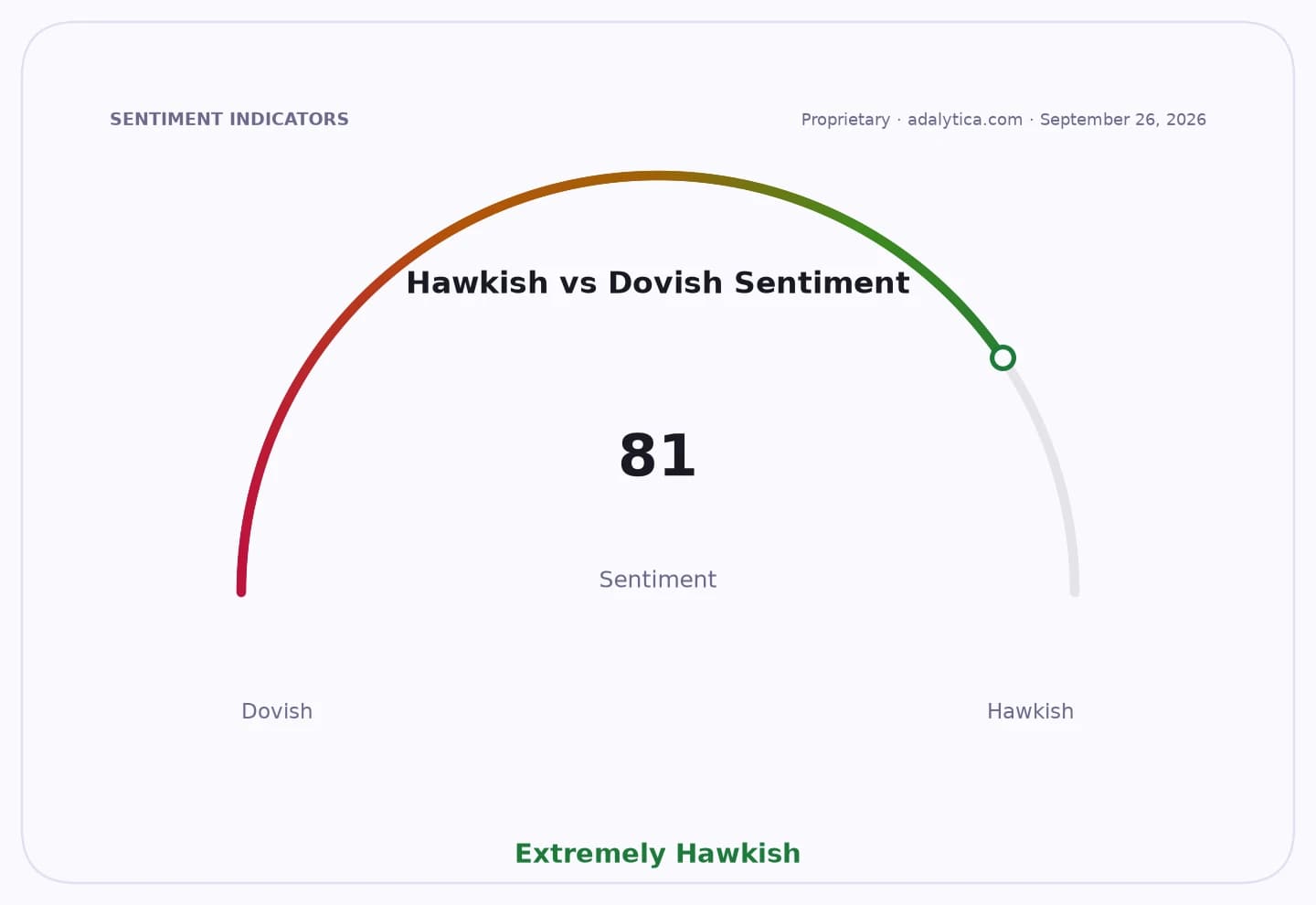
Sentiment IndicatorsⓘProprietary · adalytica.com · September 26, 2026
This is a snapshot — live sentiment, awareness and momentum for 130+ markets update continuously in the dashboard.Open AlphaPulse
The latest Fed decision, its first increase in more than three years, came as U.S. inflation remains above the central bank’s 2% target and energy prices are adding fresh pressure. Treasury yields have pushed higher, with the 10-year note around 5.19% in the data provided, while the dollar has strengthened. The U.S. Dollar Index was last near 101.04, above its 50-day and 200-day moving averages, and the UUP dollar ETF closed at 28.69, also above both long-term averages. Those are classic signs of a firmer dollar backdrop, which tends to spill over into emerging markets.
That is why investors should care. A stronger dollar can pull capital toward U.S. assets, especially when yields rise and risk appetite cools. It can also make it harder for local central banks to ease policy without widening interest-rate gaps against the United States. In Vietnam’s case, the challenge is to protect growth without losing control of the exchange rate or inflation.
Still, the bigger story is not panic — it is resilience. Economists cited in the Vietnamese reporting point to a solid supply of foreign currency from foreign direct investment, remittances and a tourism rebound. Those inflows matter because exchange rates are ultimately set by supply and demand, not Fed rhetoric alone. If hard currency keeps coming in, pressure from a stronger dollar can be absorbed rather than amplified.
Policy credibility is another important cushion. The State Bank of Vietnam has room to use liquidity tools, adjust money-market conditions and signal readiness to intervene if volatility becomes disorderly. That matters for investors because exchange-rate stability is often as important as the absolute level of the currency. A predictable dong lowers hedging costs, supports planning for importers and exporters, and reduces the risk of surprise losses in local assets.
There is also a broader macro point here. If the Fed is merely nudging rates higher as a precaution against sticky inflation, the global shock may be limited. If this becomes a longer tightening cycle, the pressure on emerging-market currencies, including the dong, would be more persistent. For now, the data suggest markets are pricing a more hawkish Fed, but not necessarily a full-blown inflation emergency. The Adalytica Hawkish vs Dovish Fed Policy Sentiment gauge sits at 81, reflecting a hawkish tilt, while the U.S. dollar has already pushed higher.
For long-term investors, the lesson is that stable exchange rates depend on more than one central bank. Countries with healthy external accounts, steady capital inflows and disciplined policy can weather a stronger Fed better than those running bigger imbalances. Vietnam still looks better positioned than many peers, even as the Fed’s move raises the cost of capital worldwide.
The likely next chapter is one of careful balancing: the Fed staying alert to inflation, the dollar remaining firm, and Vietnam using a mix of monetary and fiscal tools to defend stability without choking growth. For investors with a multiyear horizon, that makes Vietnam an economy to watch closely, not avoid.
| Entity | Gains | Losses |
|---|---|---|
| U.S. dollar | ▲Stronger demand | ▼Emerging-market currencies |
| Vietnam’s exporters and FX reserves | ▲Stable inflows | ▼Importers paying in USD |
| Fed hawks | ▲Tighter policy credibility | ▼Borrowers and rate-cut hopes |
| Vietnamese consumers | ▲Lower currency volatility | ▼Imported inflation pressures |