Global crude prices are climbing on renewed Middle East supply risk, but Vietnamese motorists are getting a sharp break at the pump after the latest domestic fuel reset took effect on November 1.
Vietnam fuel prices fall as crude rises
The split highlights how quickly local retail prices can diverge from the international oil market when domestic pricing formulas, timing lags and inventory costs are in play. For consumers, the immediate effect is lower transport and household fuel costs. For investors, the bigger issue is whether the recent rise in crude — driven by geopolitical risk rather than demand strength — keeps pressure on Asian fuel import bills and future retail adjustments.
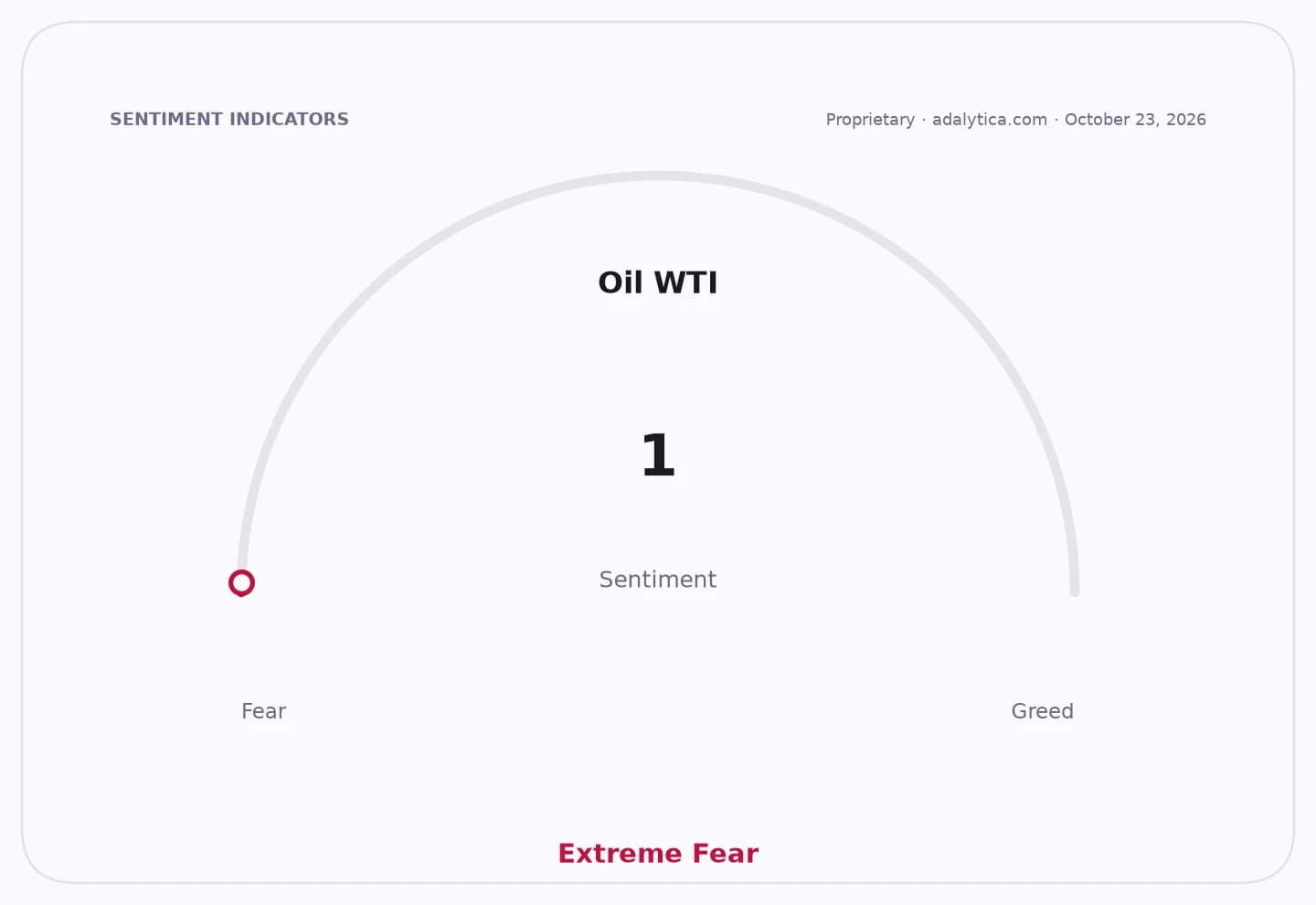
Sentiment Indicators

Brent rose 2.37% to $113.43 a barrel and U.S. crude gained 2.08% to $104.12 in the latest session, with traders focused on the possibility of escalating tensions in the Middle East, particularly around Iran and the Strait of Hormuz, one of the world’s most important oil shipping lanes. Reports of an attack on an oil tanker in the strait and fresh concerns over strikes on Saudi energy infrastructure have reinforced the market’s risk premium, helping crude hold at elevated levels despite a broader economic backdrop that still points to fragile demand.
That premium matters because it can ripple through refined products, freight costs and inflation expectations even if physical flows are not immediately disrupted. Saxo Bank has said oil could stay in a higher trading band of about $70 to $90 a barrel even if the conflict cools, underscoring how geopolitics can keep crude supported above pre-conflict levels. In the U.S. equity market, energy shares have already responded, with the XLE energy ETF trading near recent highs and U.S. oil proxy USO showing strong momentum on standard technical indicators including its 50-day and 200-day moving averages.
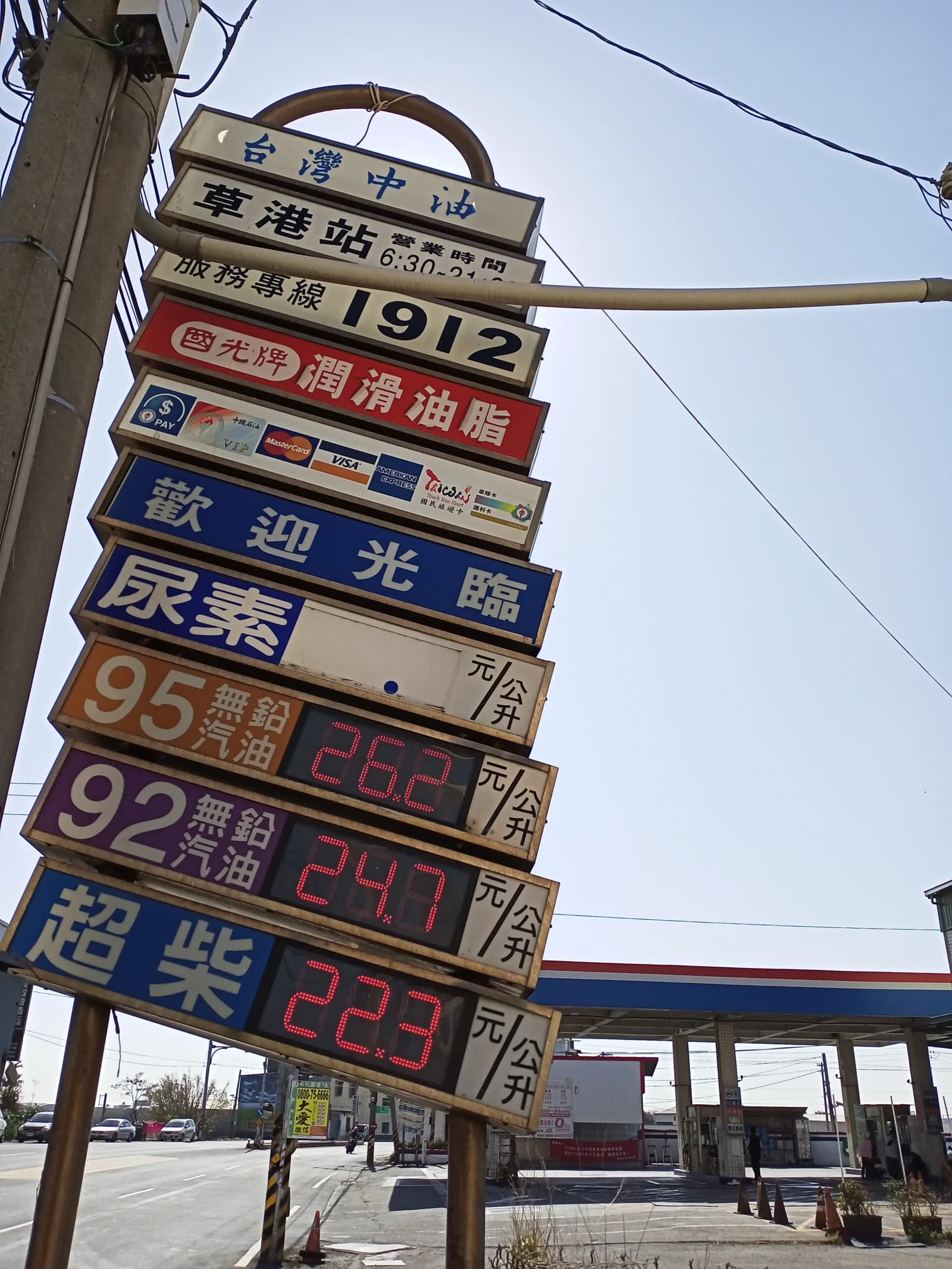
Vietnam’s domestic move went the other way. Under the latest adjustment by the industry and finance ministries, E5RON92 gasoline fell 1,804 dong a liter to no more than 24,223 dong, while E10RON95-III dropped 1,575 dong to 24,159 dong. Diesel was left unchanged at 30,246 dong a liter and mazut was also steady. The government did not use the fuel price stabilization fund for gasoline in this round, suggesting authorities were willing to pass through the domestic relief rather than lean on the buffer.
For the local economy, cheaper gasoline is modestly disinflationary and can ease pressure on transportation and logistics costs after a period of volatility. The larger strategic question is whether this relief proves temporary if crude keeps rising. Refiners, importers and fuel retailers face the prospect of compressed margins if crude advances faster than retail prices can adjust, while consumers and downstream industries benefit as long as the domestic formula continues to lag global moves.
Investors should watch Middle East headlines, Strait of Hormuz shipping risk and the next fuel price review for signs that the current mismatch narrows. If crude stays elevated, Vietnam’s next pump-price adjustment could reverse some of this week’s relief, turning today’s gasoline drop into a short-lived reprieve rather than a durable easing in fuel costs.
| Entity | Gains | Losses |
|---|---|---|
| Vietnamese consumers | ▲Lower pump costs | ▼Less pressure on household budgets |
| Fuel importers/retailers | ▲Temporary sales volume support | ▼Margin squeeze if crude rises faster |
| Crude oil producers | ▲Higher risk premium | ▼— |
| Transportation and logistics firms | ▲Cheaper fuel input | ▼— |