Brent crude climbed more than 1% to above $110 a barrel, underscoring how geopolitical disruption fears are still dictating the oil market more than normal supply-and-demand fundamentals.
Brent crude rises above $110 on Middle East risk
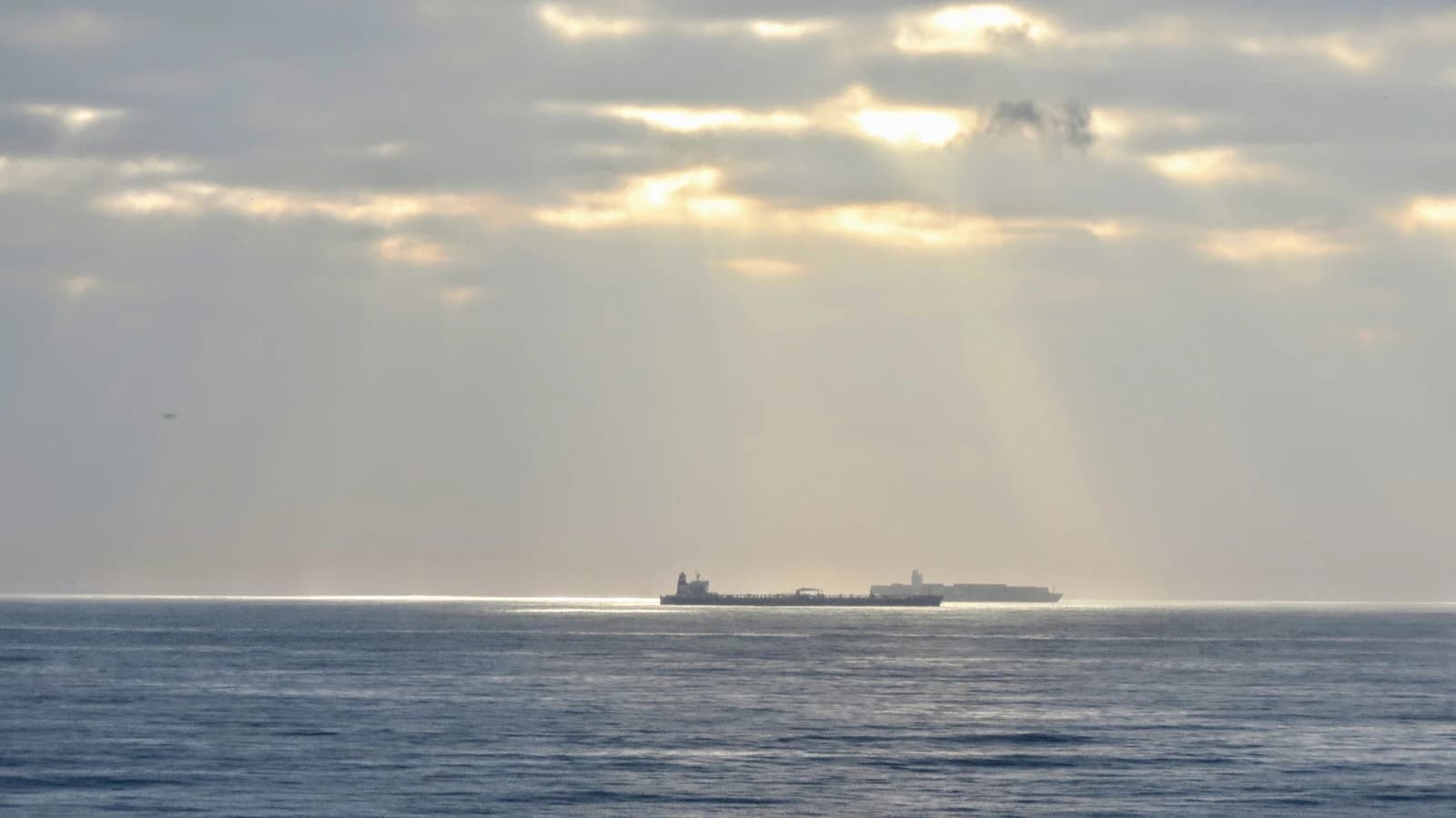
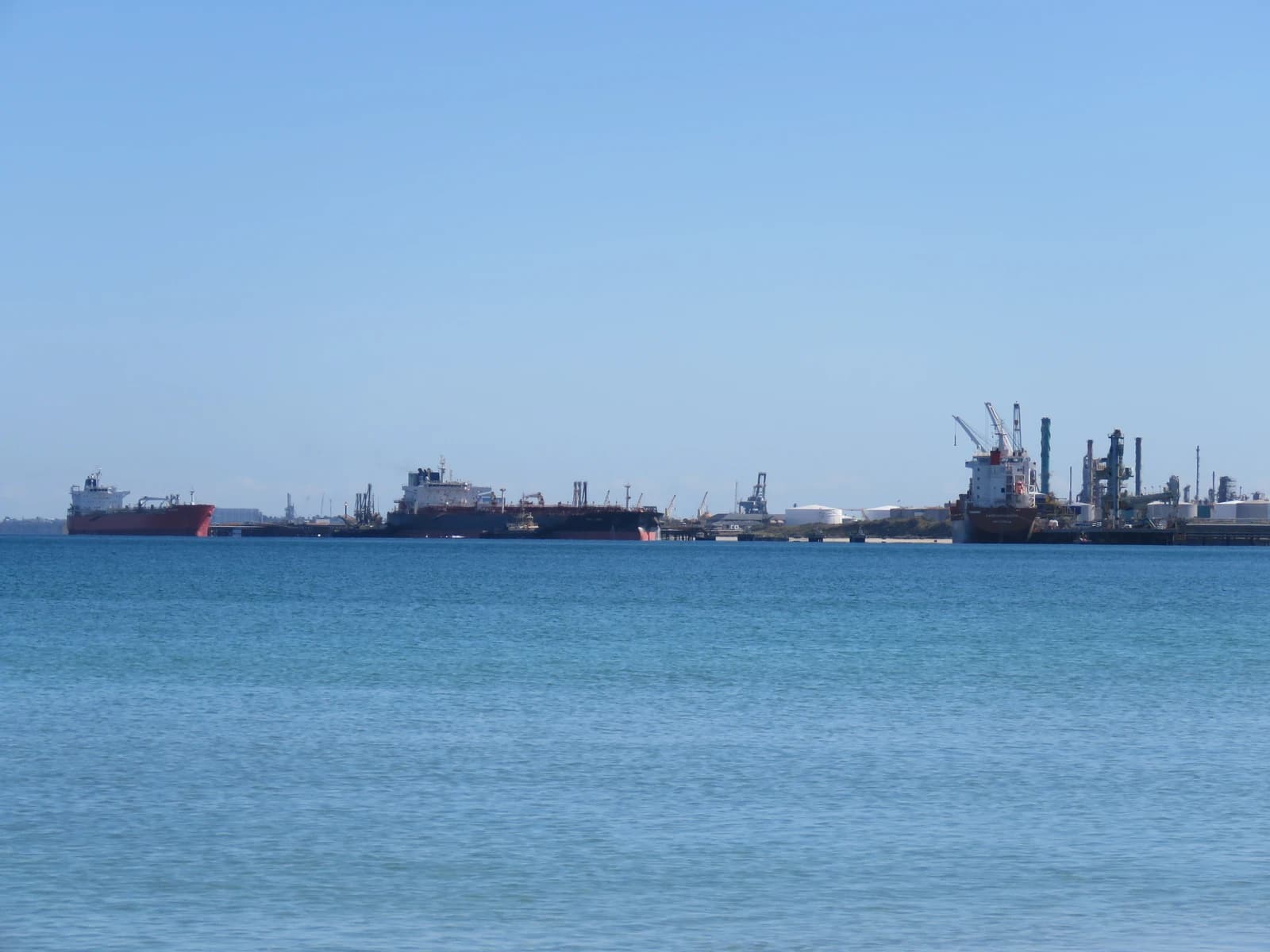
The benchmark’s advance to $110.02 a barrel reflects the premium traders continue to assign to Middle East transport risk, especially with the Strait of Hormuz back in focus. The waterway is one of the world’s most important oil chokepoints, and any sign that shipments could be delayed or rerouted quickly feeds into prices. U.S. crude, meanwhile, also firmed, with WTI at $98.03, showing the move was broad rather than isolated to one contract.
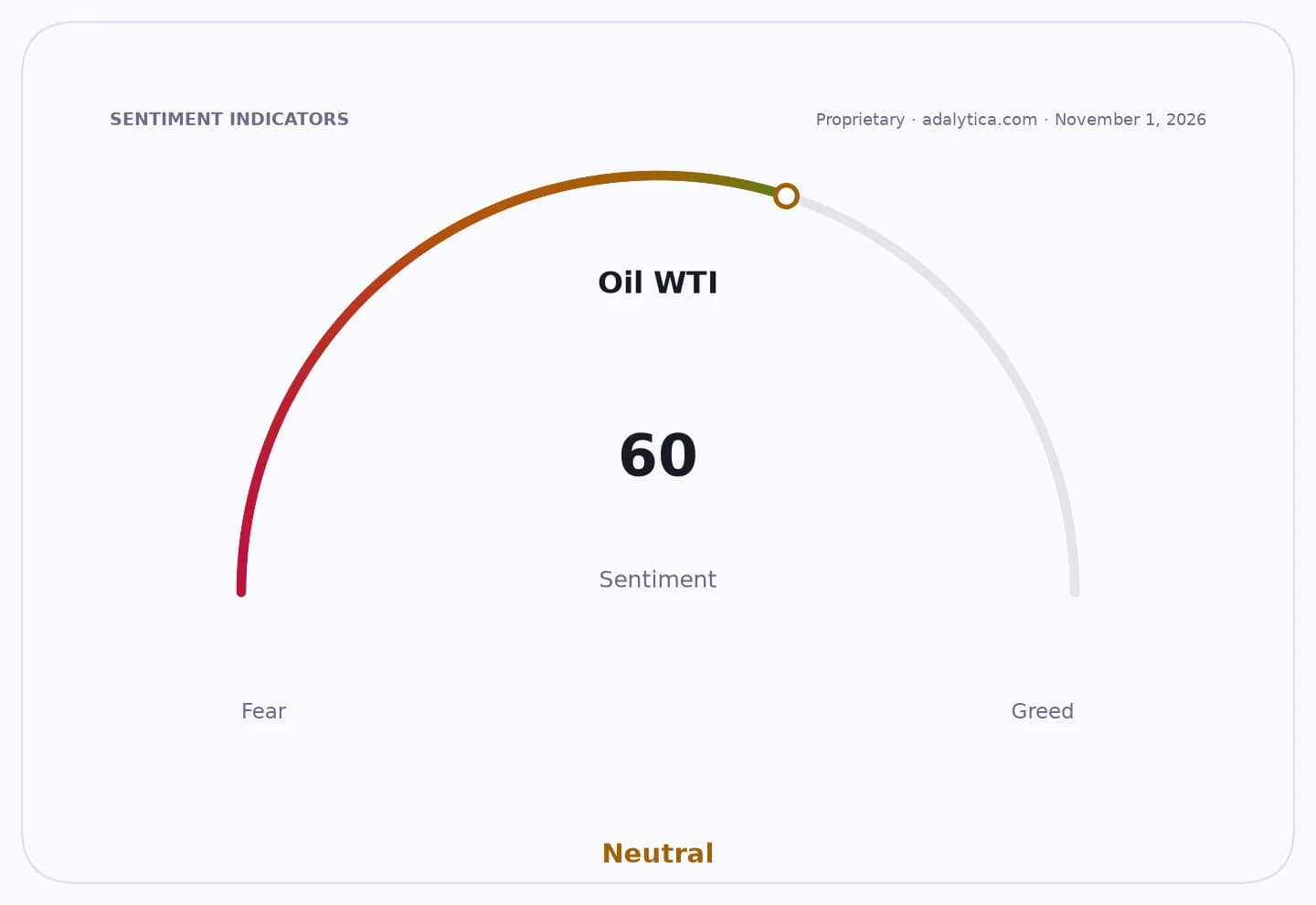
Sentiment Indicators
For the global economy, higher Brent prices matter because they act as a tax on consumers, raise fuel costs for airlines and transport firms, and complicate central banks’ inflation fight just as policymakers are trying to avoid a second round of price pressures. Oil’s latest move also keeps pressure on import-dependent economies, while exporters and integrated producers stand to benefit from stronger cash flow.
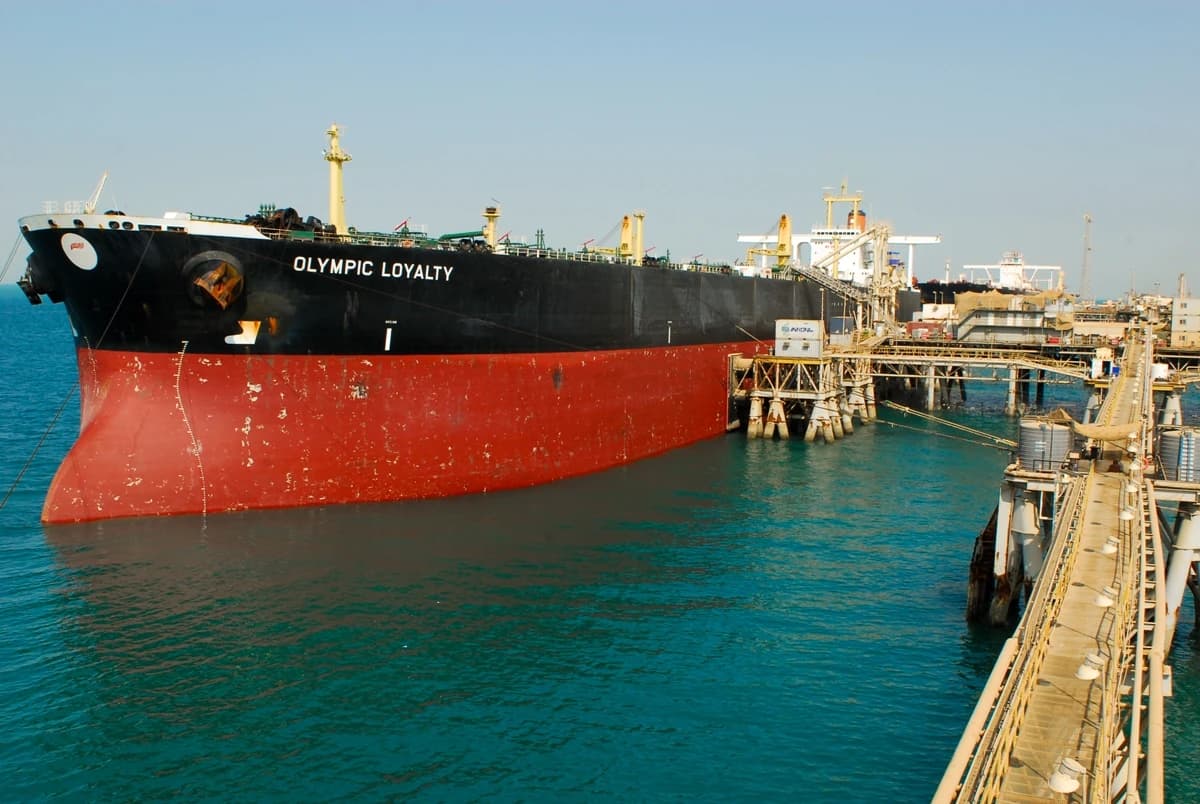
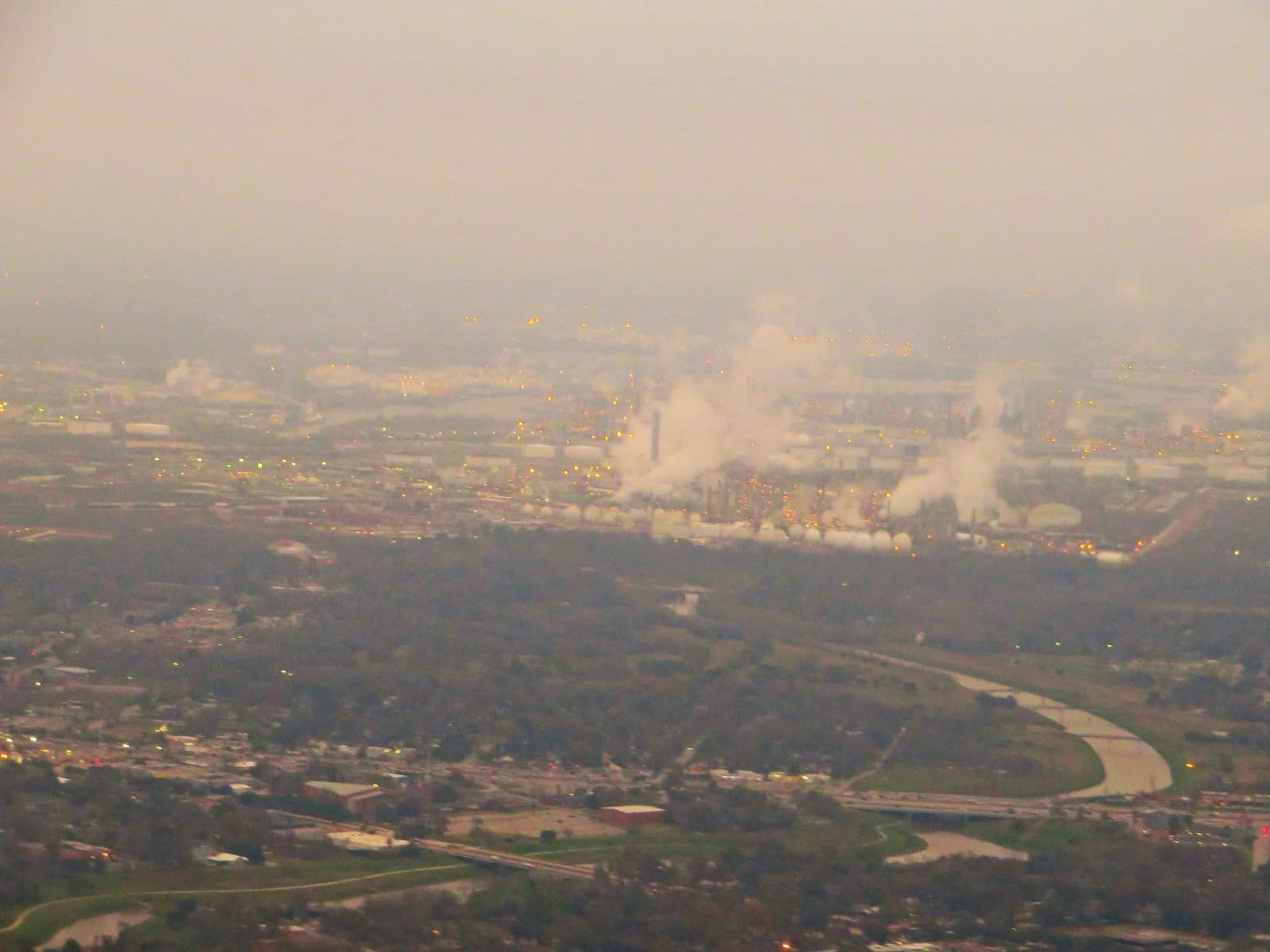
The market backdrop suggests the rally is being reinforced by supply-security concerns rather than a fresh demand shock. Iraq’s effort to secure tanker access and avoid disruption linked to the Hormuz crisis highlights how closely producers are now managing logistics risk, while reports of refinery evacuations after Houthi attacks reinforce the view that spare capacity and transport resilience are as important as headline output levels. In that environment, even modest buying can push prices higher because traders are hedging tail risk.
Investor positioning reflects that tension. Brent-linked vehicles such as BNO have surged sharply, with the fund’s price well above its 50-day moving average and its RSI in overbought territory, a sign that momentum is stretched even as the trend remains firm. Adalytica’s Oil WTI Trade Signals gauge shows extreme fear, which typically means the market is pricing in more disruption than normal and leaves room for volatility if the geopolitical backdrop shifts.
The bull case is that elevated prices will persist as long as transport routes remain vulnerable and inventories are not comfortable enough to absorb a shock. The bear case is that the rally has already priced in a large part of the risk premium, leaving crude exposed if the security situation stabilizes or if supply outside the region keeps rising.
For investors, the key question is not whether oil can stay volatile, but how long the market can sustain prices above $110 without triggering demand destruction or policy responses from consuming nations. Near term, Brent is likely to stay sensitive to headlines from the Gulf, shipping lanes and refinery operations, with any escalation likely to widen the premium further.
| Entity | Gains | Losses |
|---|