Brent crude climbed above $115 a barrel for the first time since May, a move that is already dragging on stocks and reviving fears that another energy-price shock could feed through to inflation, margins and global growth.
Brent Crude Tops $115 on Middle East Risk
The benchmark North Sea contract for December delivery traded at $115.07 on ICE, up 1.67% on the day and briefly touching $115.13, as traders priced in a higher risk of supply disruptions from the Middle East and North Africa. The jump adds a fresh layer of strain to an economy that is still dealing with elevated rates, sticky prices and uncertainty over how long consumers can absorb higher fuel costs.
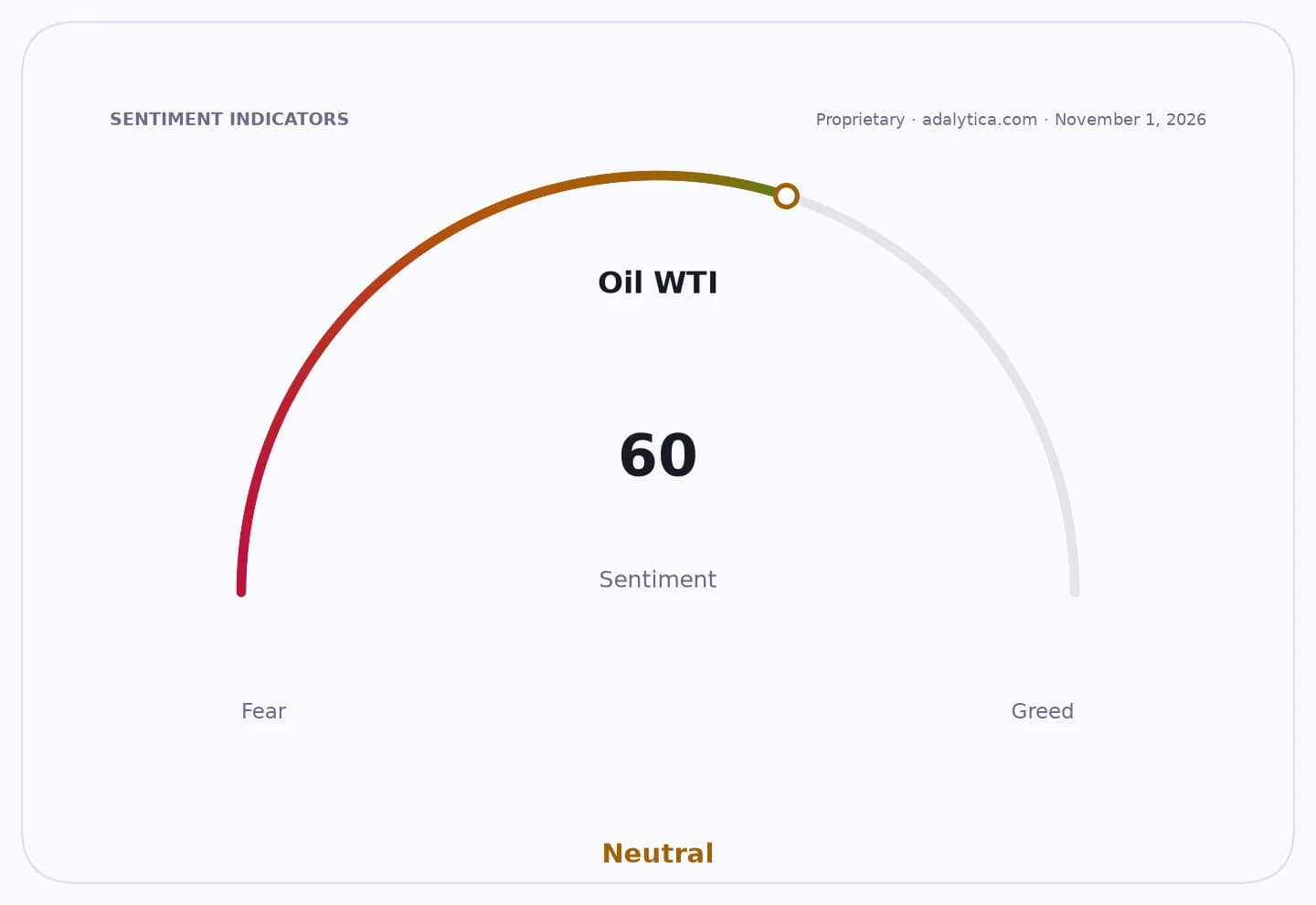
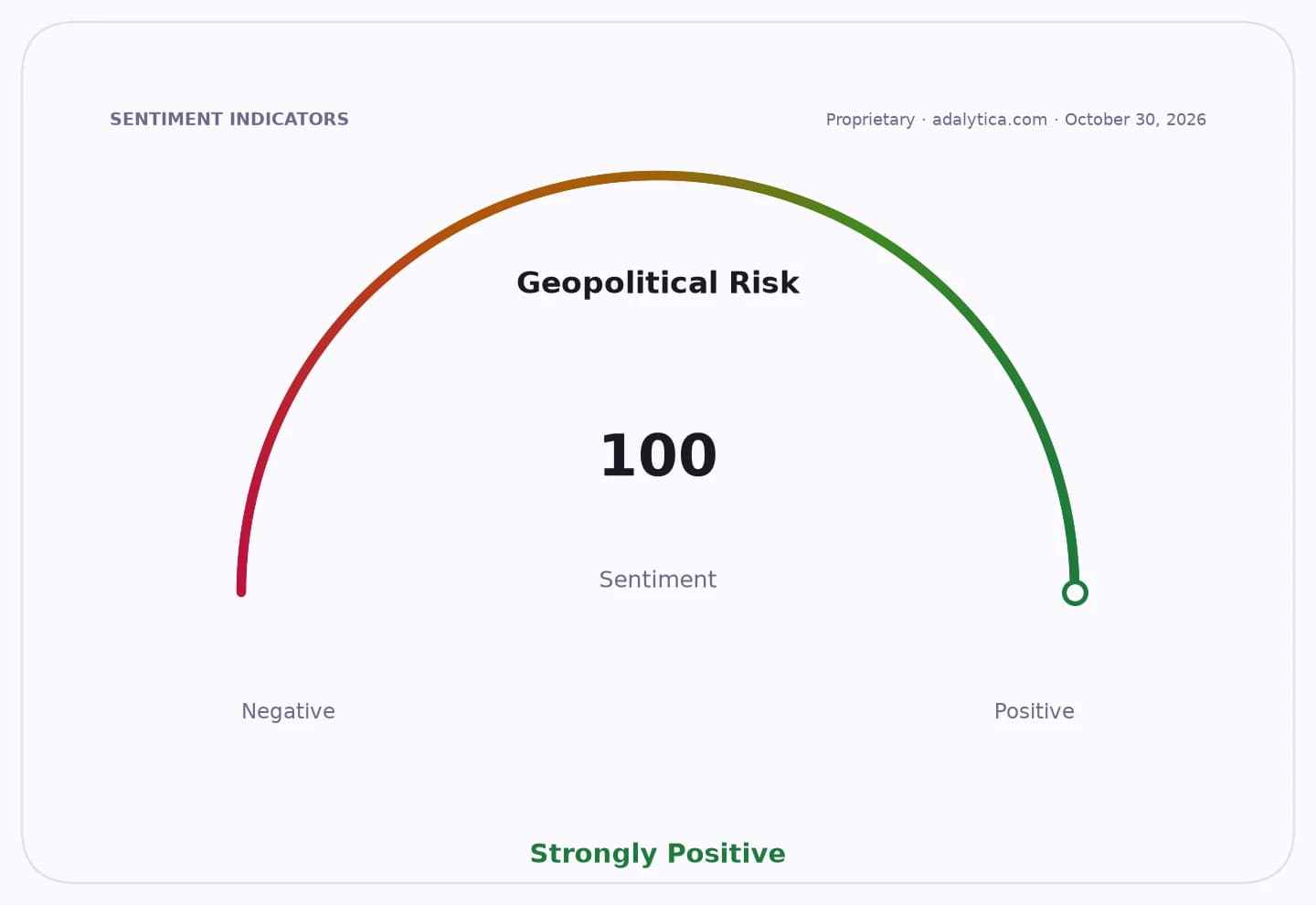
Sentiment Indicators
Equities were quick to feel the pressure. London’s FTSE 100 fell 0.50% to 10,671.04, while energy-linked assets outperformed as investors rotated toward producers and away from sectors exposed to higher input costs.
The trigger is a widening geopolitical premium in crude markets. The latest rally follows renewed concern over the conflict between the U.S. and Iran, with Washington signaling it could remain locked in a standoff with Tehran for another year and keeping pressure on Iranian exports through naval enforcement. That comes on top of persistent threats to Gulf energy infrastructure and new attacks by Yemen’s Houthi movement, including a missile intercepted by Saudi Arabia and claims of strikes near Aramco facilities.
Libya is adding another layer of supply risk. An armed group has shut the main crude transport line from the Hama fields, cutting about 15,000 barrels a day, underscoring how quickly local security issues can tighten an already fragile market. The disruption is small in volume, but it reinforces the broader message: spare capacity is vulnerable, and traders are paying up for barrels that can still move.
For investors, the move matters well beyond oil majors. Higher crude can lift cash flow for producers, pipeline operators and energy ETFs, but it also threatens margins for airlines, chemicals makers and industrials, while increasing the odds of renewed inflation pressure in the U.S. and Europe. The 10-year Treasury yield at 5.05% leaves little room for a broad risk rally if oil keeps climbing.
BP this month lifted its average Brent assumption for 2026 to $87 a barrel from $70, reflecting a more volatile backdrop and ongoing disruption risk. That looks conservative against a spot market already trading far above that level, and it leaves energy investors watching whether the latest spike develops into a sustained move or fades once the geopolitical premium eases.
The immediate catalyst is whether the Middle East tension worsens or supply interruptions spread. If they do, Brent’s break above $115 may prove less a milestone than the start of a broader re-pricing across energy, inflation and risk assets.
| Entity | Gains | Losses |
|---|---|---|
| Oil producers | ▲Higher realized prices | ▼— |
| Energy ETFs | ▲Inflows and price momentum | ▼— |
| Airlines and refiners | ▲— | ▼Higher fuel costs |
| Global consumers | ▲— | ▼More expensive gasoline and goods |