Crude oil prices fell after Donald Trump suspended parts of U.S. sanctions and tariffs on Russia, a move that could increase Russian fuel exports and ease some of the pressure that has kept gasoline and diesel expensive in Europe.
Oil falls after Trump suspends Russia sanctions parts
Brent crude dropped 1.77% to $107.92 a barrel in early European trading, while West Texas Intermediate slipped 0.82% to $100.58, after both benchmarks had closed Friday at multi-month highs. The pullback matters because fuel costs feed directly into transport, food and consumer prices, and in Hungary they have been reflected in unusually high pump prices for weeks.
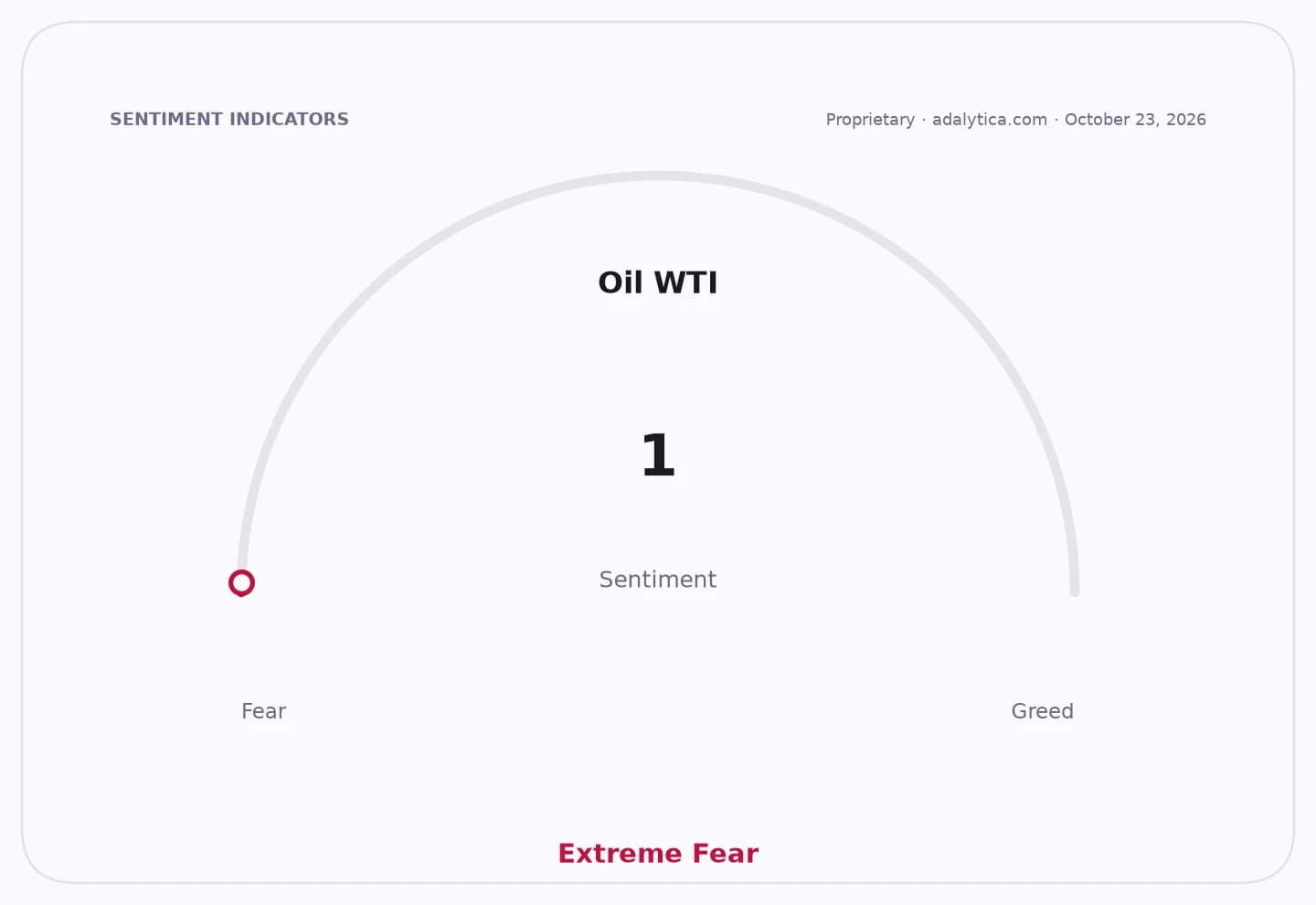
Sentiment IndicatorsⓘProprietary · adalytica.com · October 23, 2026
This is a snapshot — live sentiment, awareness and momentum for 130+ markets update continuously in the dashboard.Open AlphaPulse
The timing is important. Oil had only just surged on fears that Middle East tensions and attacks on commercial shipping would tighten supply. Brent briefly touched $110 on Friday, while Kpler said shipments from the Persian Gulf fell sharply last week to 8.5 million barrels a day on a seven-day moving average, down from more than 20 million barrels the week before. That supply shock kept traders on edge even before Trump’s latest Russia move changed the balance again.
Trump signed an executive order on Friday suspending the enforcement of some measures under the Graham law for up to 60 days while his administration assesses the impact on the world economy. The White House also said it had reached an understanding with Vladimir Putin on diesel exports to the U.S. and other countries, with shipments potentially rising to about 2.3 million barrels this month and then 7.6 million barrels a month later. Ukrainian President Volodymyr Zelenskiy said the shift would hurt Kyiv.
For investors, the key question is whether the drop marks a real turning point or just a pause in a market still being driven by geopolitics. The move was enough to hit oil-linked assets and cap near-term upside in energy prices, but the broader backdrop remains volatile. Adalytica’s Oil WTI Trade Signals showed “Extreme Fear” on Monday, underscoring how quickly sentiment has swung as traders weigh sanction relief against Middle East risks.
Hungarian motorists are likely to feel any sustained decline in crude through lower wholesale fuel costs, though the pass-through is usually delayed and depends on the forint, taxes and local refining margins. On Friday, domestic fuel prices were unchanged, with 95-octane gasoline at an average 642 forints a liter and diesel at 709 forints, according to Holtankoljak.hu. A fall in global oil prices would offer relief to households and businesses if it lasts long enough to reach the pump.
For now, the market is caught between a potential boost to supply from Russia and the risk of further disruption in the Middle East. If U.S. policy keeps Russian barrels flowing while shipping lanes remain fragile, oil may stay volatile rather than decisively lower — a mix that would keep fuel markets uncertain in Hungary and across Europe.
| Entity | Gains | Losses |
|---|---|---|
| Hungarian motorists | ▲Lower pump prices | ▼Less pressure relief if crude rebounds |
| Oil importers and refiners | ▲Cheaper crude feedstock | ▼Margins squeezed if product prices lag |
| Russia | ▲More export access | ▼Sanctions pressure eased only partially |
| Ukraine and hawkish policymakers | ▲— | ▼Reduced pressure on Moscow |