Gasoline prices in Turkey are set to fall by 4 lira 30 kuruş a liter from Tuesday, a sharp reversal that should offer immediate relief to consumers after weeks of pump-price pressure driven by volatile crude markets and Middle East tensions.
Turkey gasoline prices set to fall 4.3 lira a liter
If the cut takes effect as expected, retail gasoline prices would drop to 79.60 lira a liter in Istanbul and 80.60 lira in Ankara, with prices also seen easing to 80.80 lira in Izmir and 82.20 lira in eastern provinces. The move follows Brent crude’s retreat to about $104 a barrel, underlining how quickly Turkey’s fuel bill tracks swings in global oil benchmarks.
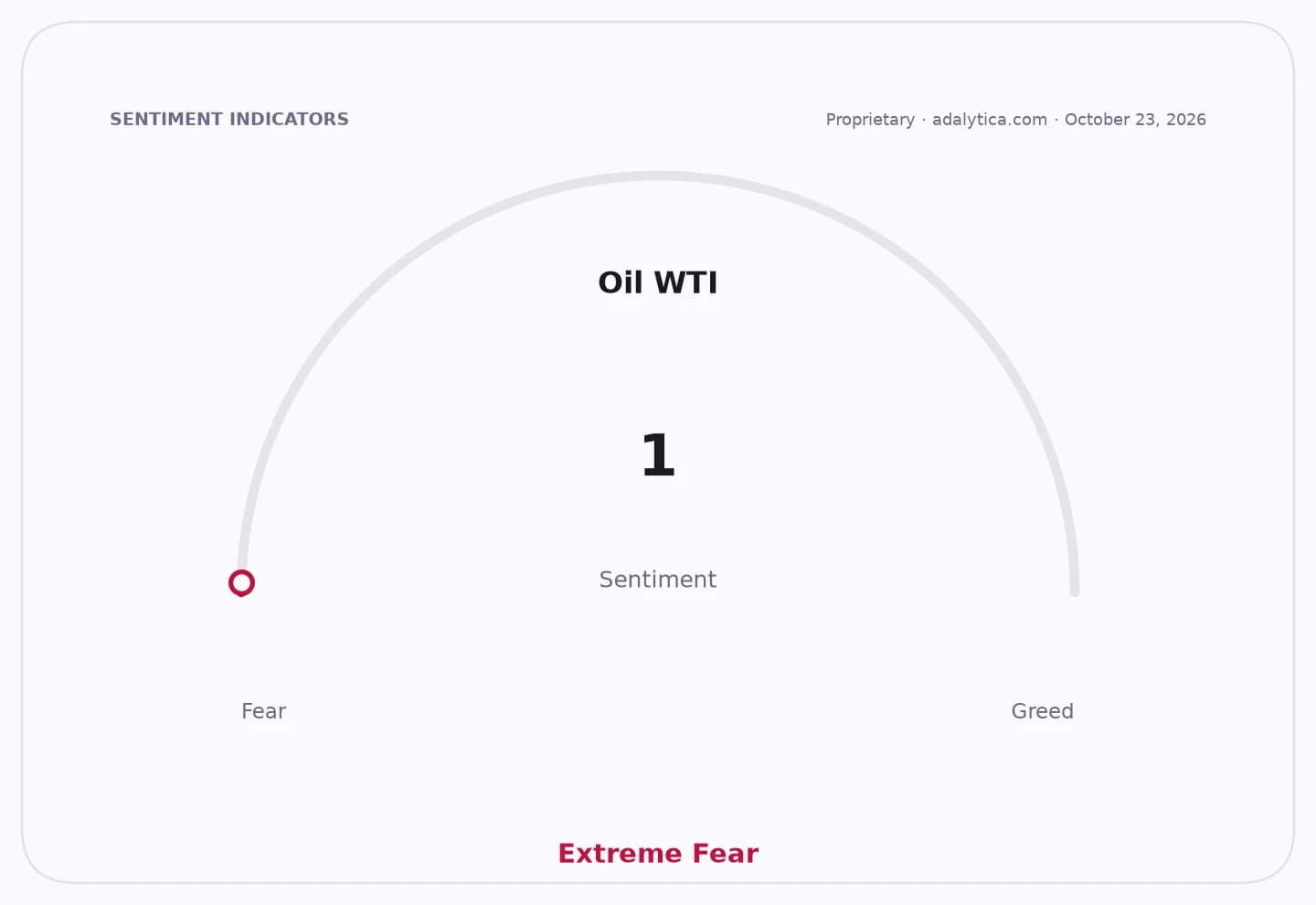
Sentiment IndicatorsⓘProprietary · adalytica.com · October 22, 2026
This is a snapshot — live sentiment, awareness and momentum for 130+ markets update continuously in the dashboard.Open AlphaPulse
That matters because Turkey is highly exposed to imported energy costs, so every shift in Brent feeds directly into transport expenses, logistics costs and headline inflation. A 4.3 lira cut is not just a consumer story; it is a near-term macro buffer for a country where fuel still sits at the center of price formation and household budgets.
For investors, the message is bigger than one pump-price adjustment. Lower fuel costs can ease pressure on Turkish inflation expectations and improve sentiment around domestic consumption, while also reflecting a broader cooling in oil-linked pricing power. At the same time, the volatility itself is the opportunity: fuel prices remain hostage to geopolitical risk, and every pullback in crude can quickly reverse if supply fears flare again.
The recent move comes after a run of increases, showing how sensitive downstream prices remain to global crude benchmarks and currency dynamics. The latest adjustment also highlights the gap between falling crude and still-high domestic pump prices, a reminder that relief at the barrel does not translate into cheap fuel overnight.
For now, the trade is straightforward: falling crude is a tailwind for Turkish consumers and inflation, while keeping energy markets and refinery-linked plays in focus. The bigger investment takeaway is to watch for second-order beneficiaries of lower input costs in Turkey, while staying alert to the next oil shock that can just as quickly turn the signs back around.
| Entity | Gains | Losses |
|---|---|---|
| Turkish consumers | ▲Lower fuel bills | ▼Less immediate relief from inflation |
| Turkish transport firms | ▲Lower operating costs | ▼None in the near term |
| Oil importers | ▲Cheaper input costs | ▼Higher volatility exposure |
| Refiners and fuel retailers | ▲Demand may hold up | ▼Lower per-liter pricing power |