Vietnam’s biggest fuel retailers moved to trim gasoline prices, a consumer-relief step that may also signal a more competitive and transparent retail market after months of elevated fuel costs.
Vietnam fuel retailers cut gasoline prices
In the operating period on Oct. 15, Petrolimex said it would cut gasoline prices by an additional 300 dong per liter, while PV OIL lowered prices by 350 dong per liter at 1,100 affiliated outlets nationwide, both below the levels announced by the Industry and Finance ministries.
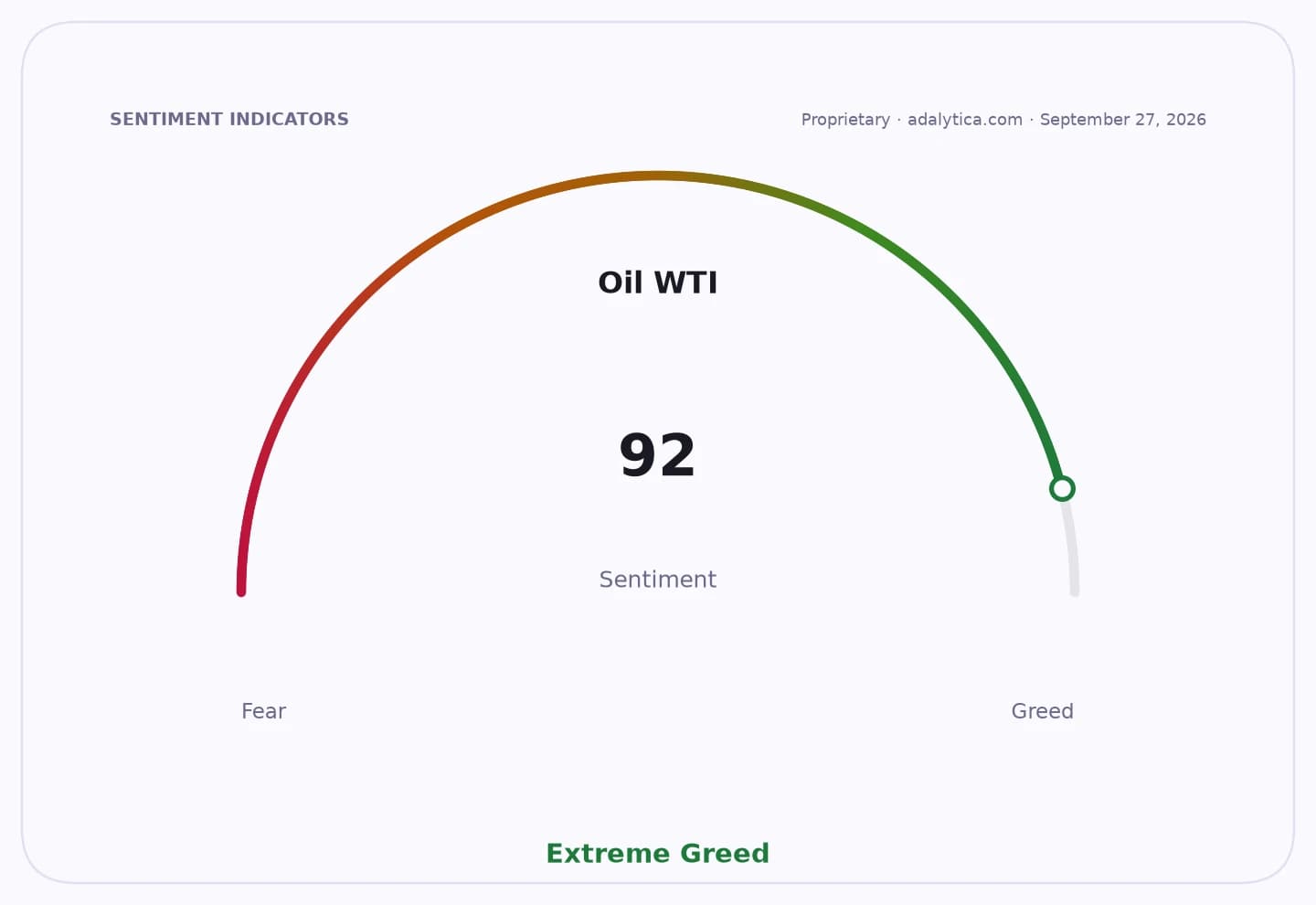
Sentiment IndicatorsⓘProprietary · adalytica.com · October 19, 2026
This is a snapshot — live sentiment, awareness and momentum for 130+ markets update continuously in the dashboard.Open AlphaPulse
The cuts matter because fuel remains one of the most sensitive inputs in Vietnam’s economy. Lower pump prices can ease pressure on household budgets, transport costs and margins for businesses that rely on logistics, while also helping to temper inflation expectations if the reductions persist.
They also reinforce the government’s effort to bring more discipline to a sector that has long been politically and economically sensitive. Authorities have been pressing petroleum companies to improve price transparency, including a requirement that businesses announce price changes at least 30 minutes before implementation. That framework is designed to reduce the scope for opaque pricing and to curb the risk of market distortions in a sector where retail competition is closely watched.
For consumers, the immediate effect is straightforward: lower gasoline bills after a period of rising fuel costs that have weighed on daily living expenses and production. For retailers, the move is less simple. A broader price cut can support sales volumes and customer traffic, but it may also compress margins if companies are absorbing part of the reduction themselves rather than passing through all of the regulatory move.
The backdrop is still volatile. Global oil prices remain sensitive to supply shifts, geopolitical risks and demand swings, while domestic prices are managed within a regulated framework that can change quickly. That means the Oct. 15 cuts may offer only temporary relief unless crude prices stabilize or domestic pricing rules continue to encourage sharper, more competitive adjustments.
For investors, the key takeaway is that Vietnam’s fuel market is becoming more responsive to both policy oversight and retail competition. That may be supportive for consumer spending and transport-linked sectors, but it also keeps earnings visibility for fuel distributors limited, since pricing power remains constrained by regulation and market conditions.
| Entity | Gains | Losses |
|---|---|---|
| Consumers | ▲Lower fuel bills | ▼Less benefit if cuts prove temporary |
| Transport and logistics firms | ▲Lower input costs | ▼Limited if demand weakens |
| Petrolimex and PV OIL | ▲Higher foot traffic | ▼Thinner margins on price cuts |
| Competing fuel retailers | ▲Pressure to match cuts | ▼Potential margin compression |