Nigeria is trying to turn the end of cheap gasoline into a long-term shift in how people and goods move around the country, with officials now weighing mandatory conversion of commercial vehicles to compressed natural gas.
Nigeria Weighs Mandatory CNG Conversion for Vehicles

That matters because transport costs sit at the heart of inflation, consumer spending and business margins in Africa’s biggest economy. For investors, the story is less about a single policy headline than about whether Nigeria can build a national fuel ecosystem that makes its gas wealth translate into lower operating costs, better logistics and eventually stronger growth.
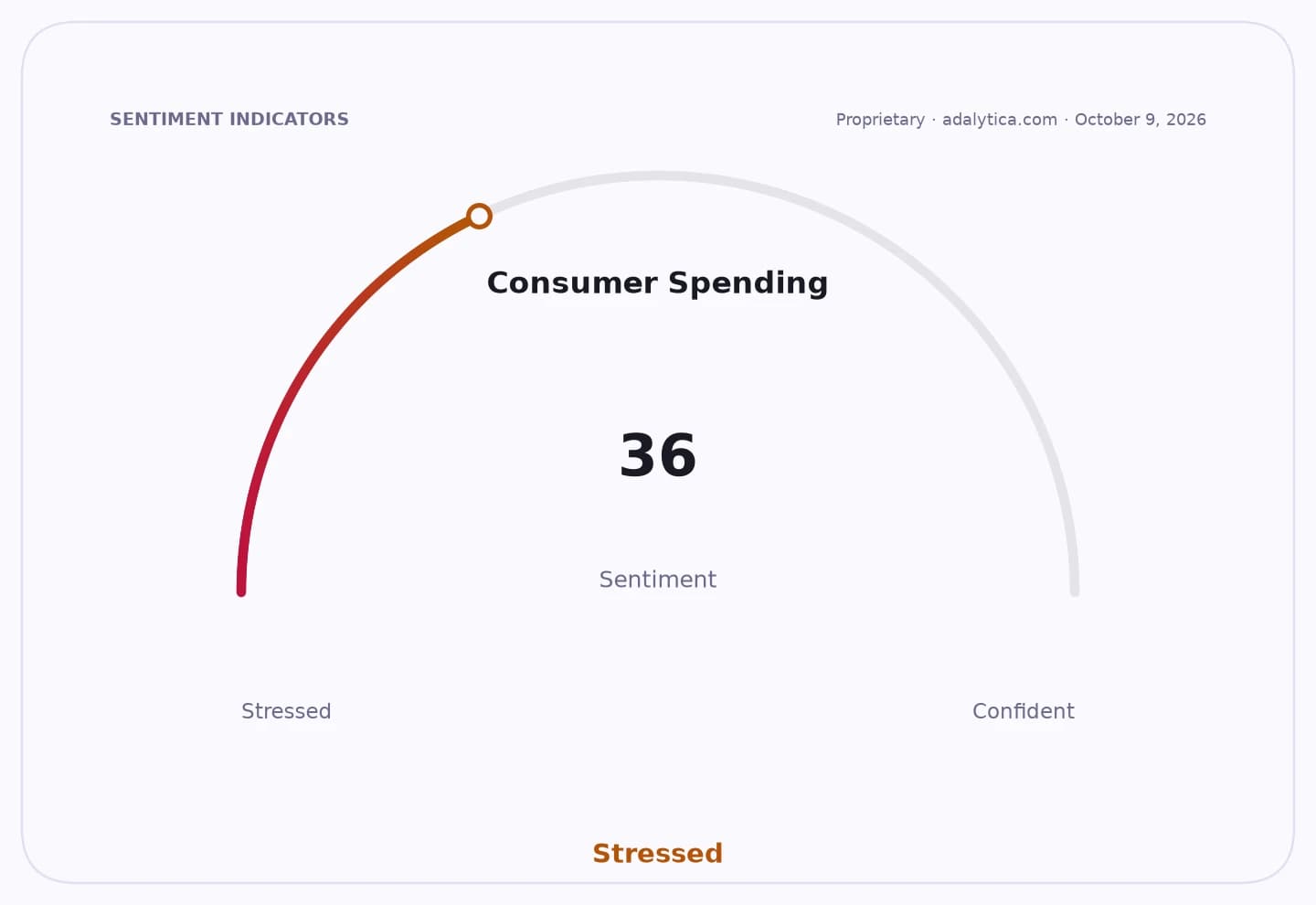
Sentiment IndicatorsⓘProprietary · adalytica.com · October 10, 2026
This is a snapshot — live sentiment, awareness and momentum for 130+ markets update continuously in the dashboard.Open AlphaPulse
The pitch is straightforward: CNG is far cheaper than gasoline, and the government says that matters in a country where commercial vehicles make up 55% to 60% of an estimated 12 million vehicles on the road. President Bola Tinubu has said a CNG vehicle can spend 60% to 80% less on fuel than a gasoline-powered one. The state has already set the price of CNG for vehicles at 230 naira a liter, far below the 1,100 to 1,500 naira range for gasoline cited by officials.
That kind of gap can reshape transport economics if it sticks. Nigeria scrapped fuel subsidies in 2023, and the resulting jump in pump prices has strained households, freight operators and bus companies. A cheaper fuel alternative could help ease fare pressure in Lagos, Abuja and other major cities, while also giving logistics firms and fleet operators a cleaner way to control costs.
The government is no longer treating CNG as a pilot. Ismael Ahmed, who heads the presidential initiative on CNG and electric vehicles, said the policy needs to move from demonstration to nationwide deployment. More than 120,000 vehicles have already been converted, and the target is 1 million commercial vehicles by 2027. The initiative has also attracted more than $2.5 billion in investment, according to Ahmed.
But the real test is not enthusiasm; it is infrastructure. Nigeria says it has more than 200 trillion cubic feet of gas reserves, yet that only matters if the fuel can reach drivers reliably and cheaply. Officials say more than 100 projects are being financed through the Midstream and Downstream Gas Infrastructure Fund, while 1,000 CNG stations are planned, up from 500 already ordered.
There are still obvious hurdles. Conversion costs of 900,000 to 1.6 million naira per vehicle remain high for many operators, and a rapid rollout also raises safety and logistics questions. The country’s roads, pipelines and supply chain are uneven, which means moving gas by truck may not be enough if demand scales quickly.
For long-term investors, the opportunity sits in the ecosystem around the policy. Gas infrastructure, station builders, vehicle converters, fleet operators and downstream service providers could all benefit if Nigeria manages to create a durable alternative fuel market. If it fails, the risk is that CNG becomes another well-intentioned reform that helps early adopters but never fully cuts transport costs at national scale.
For now, the direction of travel is clear: Nigeria wants to convert its gas abundance into a practical answer to post-subsidy pain. That makes CNG one of the more important structural stories in the country’s energy and transport landscape, and it is worth watching closely for investors looking out over the next three to 10 years.
| Entity | Gains | Losses |
|---|---|---|
| Nigerian fleet operators | ▲Lower fuel bills | ▼Higher conversion costs |
| Gas infrastructure builders | ▲More station demand | ▼Execution and funding risk |
| Consumers/passengers | ▲Potentially lower fares | ▼Benefits may arrive slowly |
| Gasoline retailers | ▲None | ▼Demand erosion |