South Africans are staring at a historic fuel shock in November, with preliminary data pointing to a petrol price increase of as much as R4.60 a litre — the kind of jump that could push inflation higher, squeeze already-stretched households and keep the central bank on alert.
South Africa November fuel price hike outlook
That matters because fuel is one of the fastest ways higher global oil prices and a weaker currency feed into the broader economy. When petrol jumps this sharply, transport costs rise, food becomes more expensive to move, and businesses from farming to freight pass on the pain. The result is not just a one-off hit at the pump, but the risk of second-round inflation, where higher costs begin to embed themselves in wages and pricing across the economy.
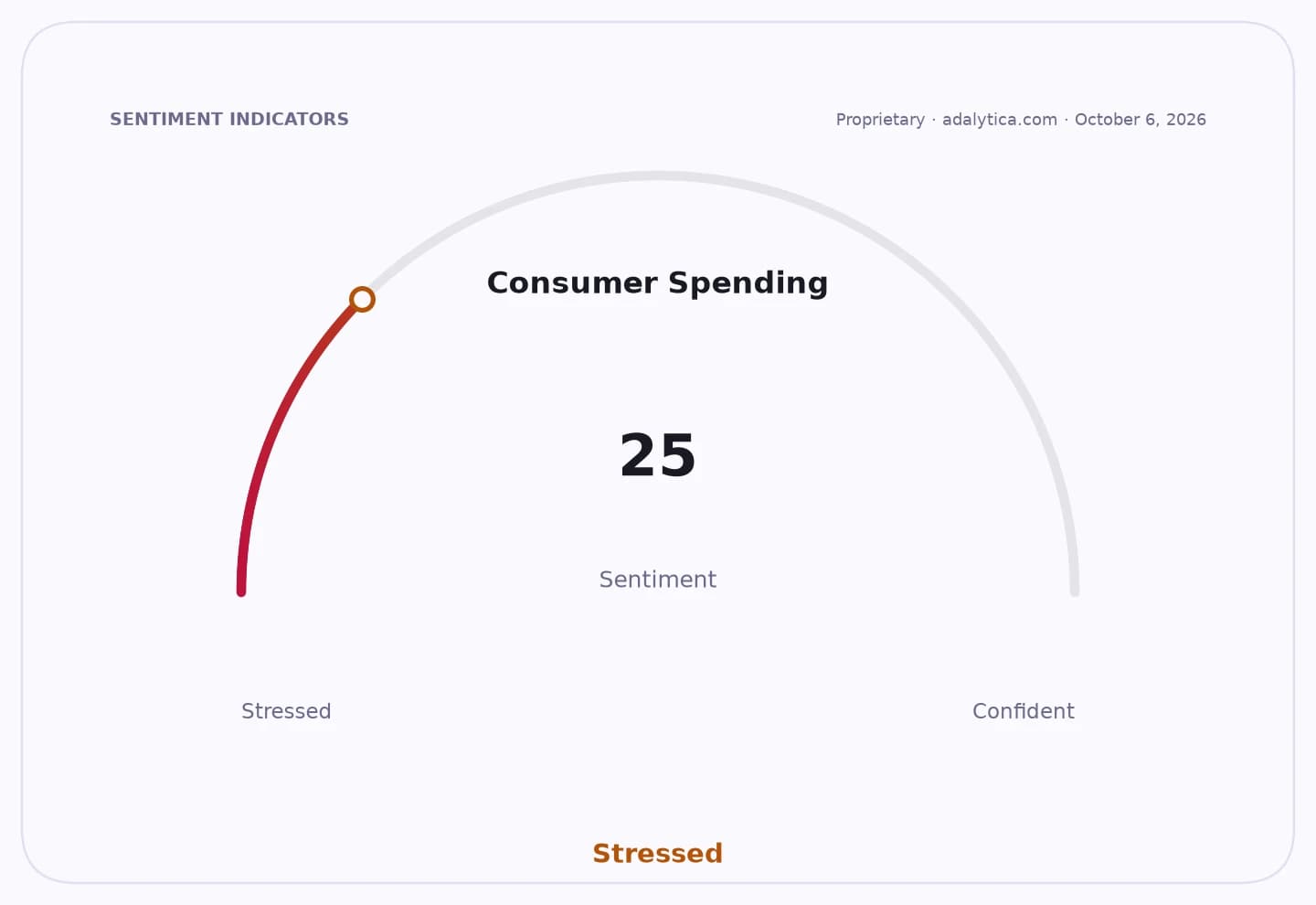
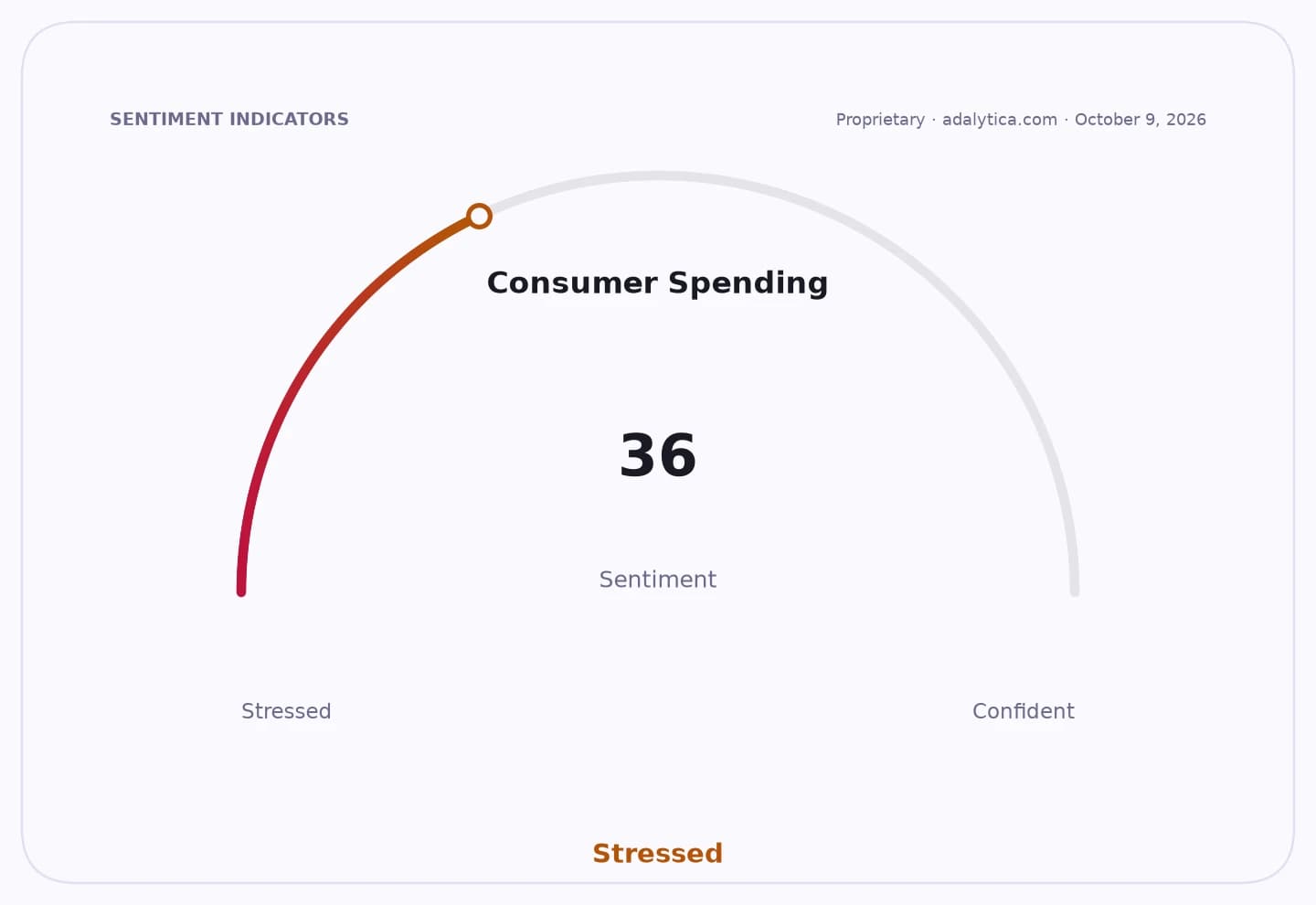
Sentiment IndicatorsⓘProprietary · adalytica.com · October 9, 2026
This is a snapshot — live sentiment, awareness and momentum for 130+ markets update continuously in the dashboard.Open AlphaPulse
The Central Energy Fund’s latest under-recovery figures suggest petrol 95 could rise by R4.58 a litre, while petrol 93 is projected to climb by R4.29. Diesel is also headed sharply higher, with wholesale grades forecast to increase by between R2.56 and R2.91 a litre, and illuminating paraffin by R5.00. Those estimates are still early and will be recalculated through October, but the direction of travel is already clear: consumers are facing another painful round of cost-of-living pressure.
The trigger is a brutal combination of crude oil above $100 a barrel and rand weakness. Investec chief economist Annabel Bishop said the oil price surge, together with the currency slide, points to further large fuel increases in November. She added that diesel has already doubled this year, an especially worrying development for producers, logistics firms and agriculture, all of which depend on diesel to keep goods moving and fields productive.
For investors, the implications reach well beyond South Africa. A fuel shock of this size typically weighs on consumer spending, margins and growth, while lifting inflation expectations and complicating the interest-rate outlook. The South African Reserve Bank has already warned that second-round effects are becoming more pronounced as elevated oil prices persist. In its Monetary Policy Review, it said headline inflation may not return to the 3% target until late 2027, underscoring how stubborn price pressures could become if energy costs stay high.
That makes the November policy meeting more important than usual. The central bank has already raised rates by 50 basis points this year, and a larger fuel shock would strengthen the case for keeping policy restrictive for longer. For households, that means the squeeze from petrol, food, electricity and borrowing costs could intensify at the same time.
There is some hope of relief through lower fuel levies, but that looks politically and fiscally difficult. Treasury cut levies by R3.00 a litre in April at a cost of more than R17 billion, and Finance Minister Enoch Godongwana has warned that any further support would require budget trade-offs the government may not be able to afford. In other words, South African motorists may have to absorb the shock largely on their own.
For long-term investors, the lesson is straightforward: energy inflation can reshape consumer behavior, corporate earnings and monetary policy quickly, but the winners and losers are not the same. Oil producers and some global energy names may benefit, while South African consumers, retailers, transport users and debt-laden businesses face the squeeze. This is a moment to watch inflation, the rand and crude closely — and to stay diversified rather than trying to guess the next fuel-price move.
| Entity | Gains | Losses |
|---|---|---|
| Oil producers | ▲Higher crude-linked revenue | ▼Price sensitivity from demand hits |
| South African consumers | ▲None | ▼Higher fuel and living costs |
| Freight, agriculture, retailers | ▲Limited pass-through power | ▼Rising input and transport costs |
| South African Reserve Bank | ▲Stronger case for caution | ▼Slower progress on inflation target |