Nigeria may be slowing the pace of price increases, but it has not yet made life affordable again — and that gap is now the central economic story for investors and policymakers.
Nigeria Inflation Eases as Prices Keep Rising
Headline inflation eased to 15.39% in August from 15.43% in July, while food inflation slowed to 19.57% and month-on-month inflation dropped to 0.71% from 1.57%. Those numbers confirm that the worst of Nigeria’s inflation surge has passed. But they also expose the harder problem: the overall price level is still climbing, just more slowly, after years of steep increases that have already crushed purchasing power.
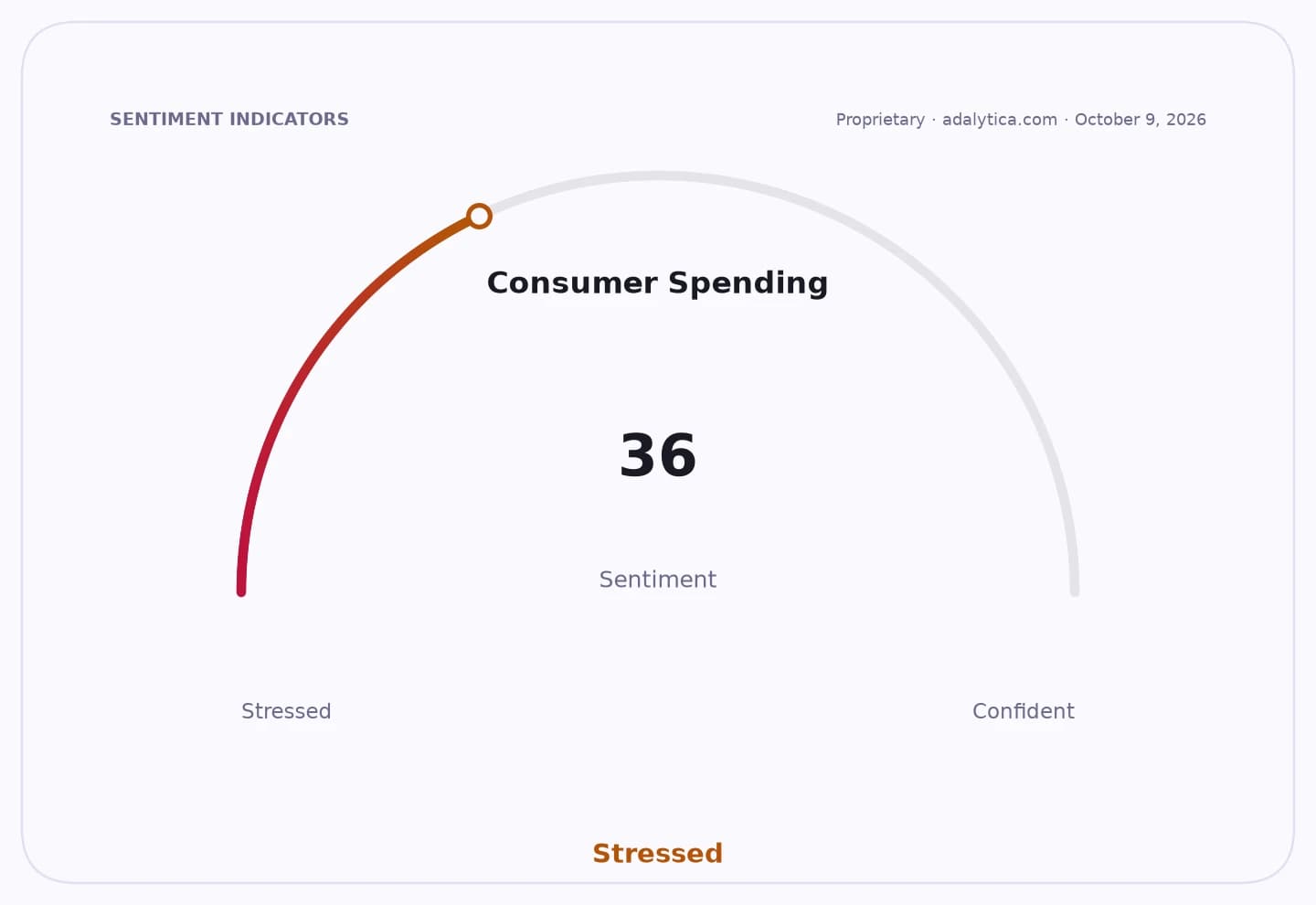
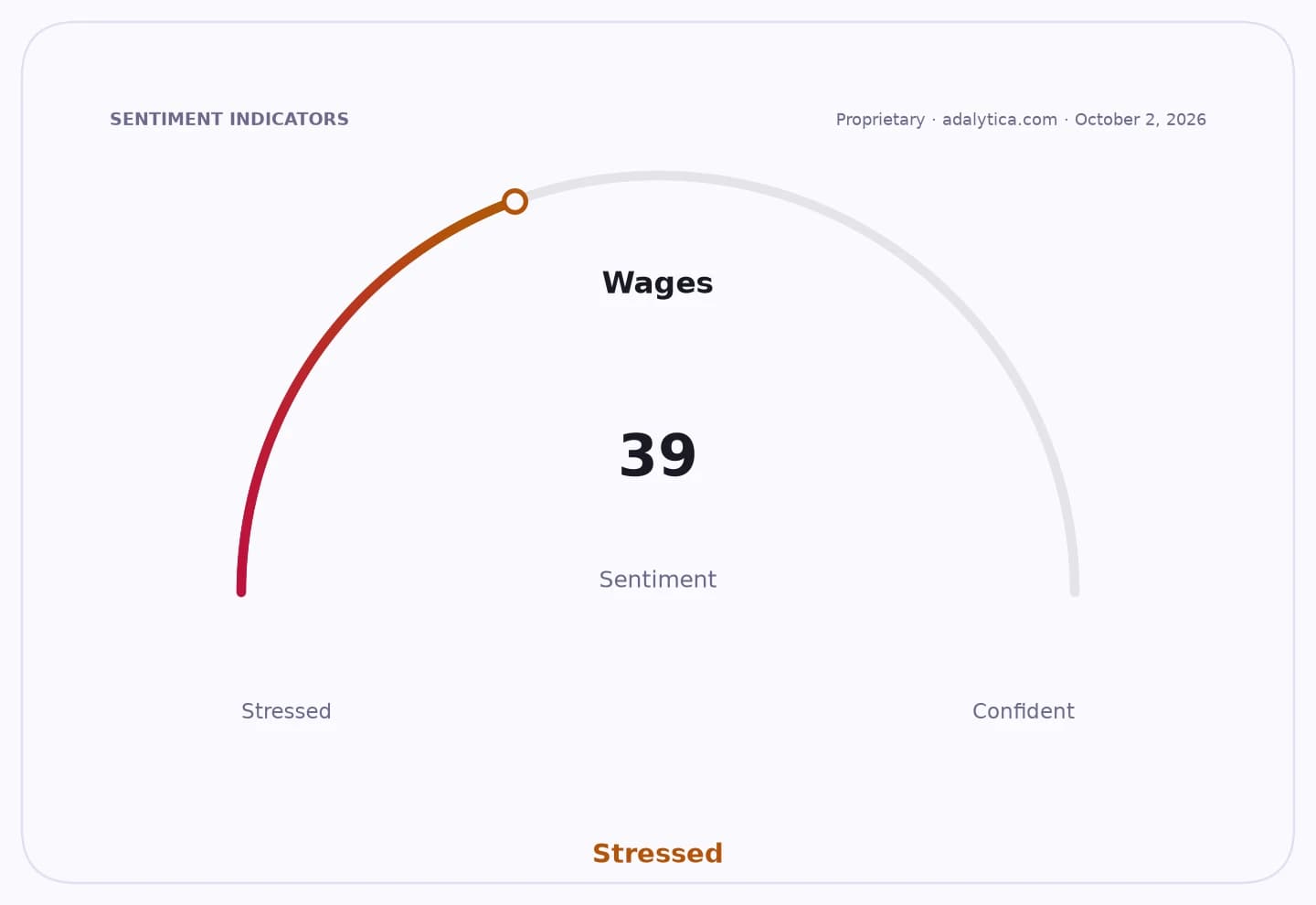
Sentiment IndicatorsⓘProprietary · adalytica.com · October 8, 2026
This is a snapshot — live sentiment, awareness and momentum for 130+ markets update continuously in the dashboard.Open AlphaPulse

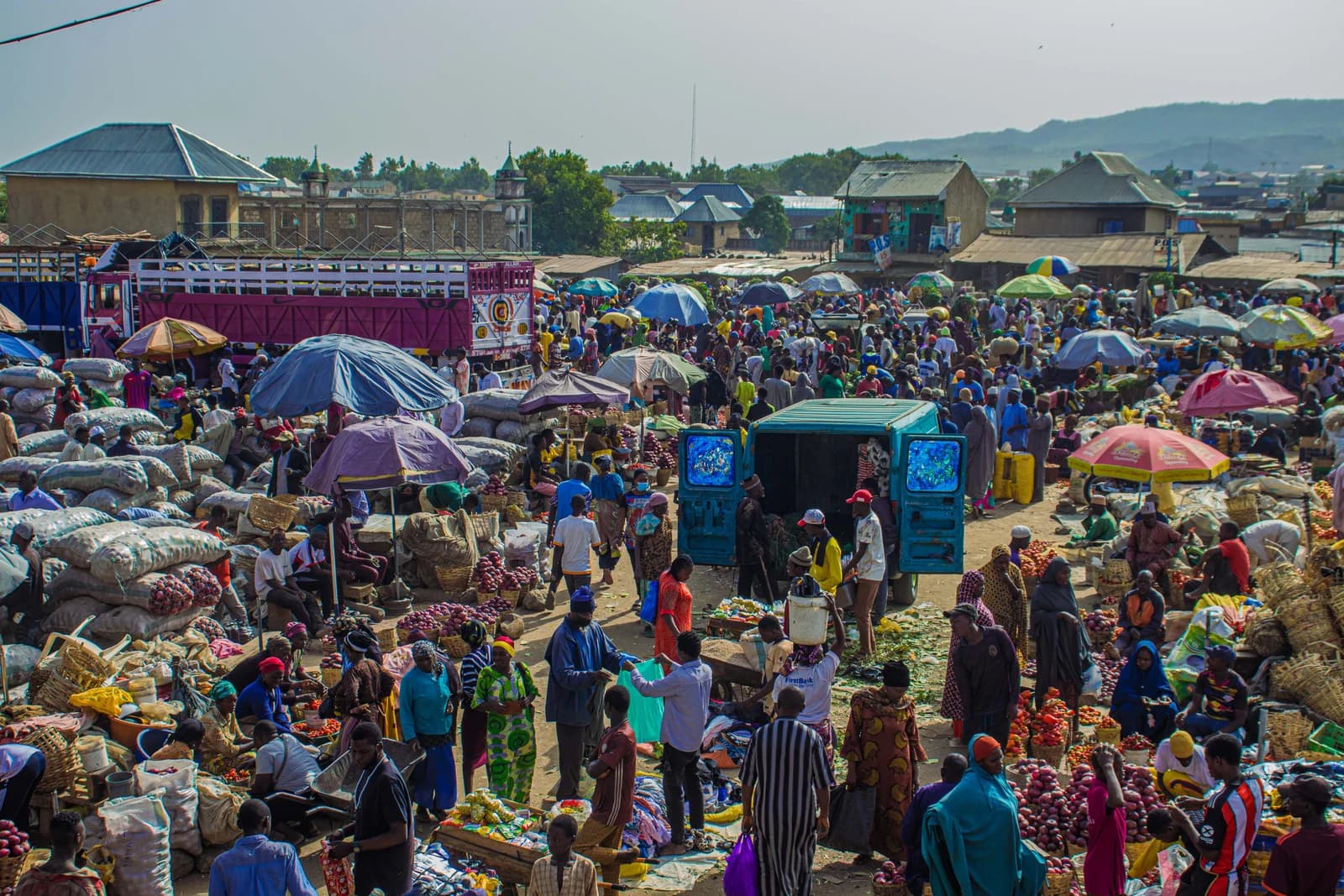
That distinction matters because markets often reward disinflation as if it were relief at the cash register. It is not. Nigeria’s consumer price index rose from 145.3 in July to 146.3 in August, a reminder that lower inflation does not mean lower prices. For households, transport fares, rent, school fees and food bills remain painfully elevated. A family that saw its food spend jump from N100,000 to N180,000 does not get its income back simply because food inflation slows. It is still trapped at a far higher price base.
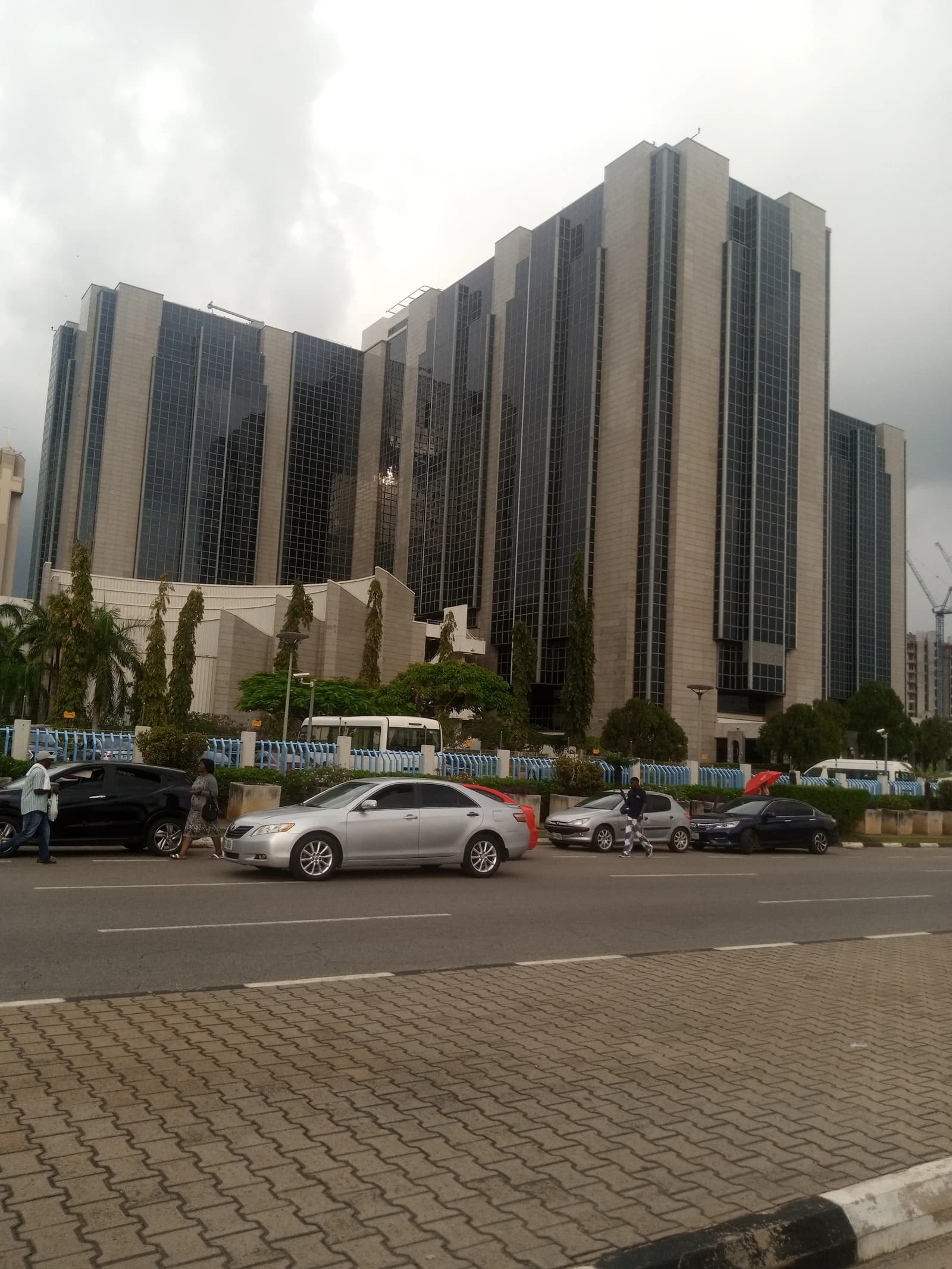
The central bank is responding to the cooling pace of inflation. Last month, the Central Bank of Nigeria cut its Monetary Policy Rate by 350 basis points to 23%, arguing that easing price pressures and more stable underlying inflation gave it room to move. That is economically significant because it suggests the policy cycle is shifting from emergency stabilization toward normalization. But the bank can only slow the rate of increase; it cannot rebuild real incomes or undo the damage done by several years of rapid price gains.

This is where the investment thesis gets interesting. Nigeria is moving out of the panic phase and into the productivity phase. The winners from that shift are not necessarily the businesses tied to nominal inflation, but those that can exploit a more stable macro backdrop: banks that benefit from lower policy uncertainty, consumer companies that gain if real incomes recover, logistics and food-supply names tied to domestic production, and energy infrastructure plays that can ease one of the biggest cost drivers in the economy.
The problem is that the disinflation story is fragile. Food prices are still rising nearly 20% year on year, and households remain exposed to energy shocks. Recent gains in global oil prices pushed petrol toward N1,400 a litre in Lagos and Abuja and as high as N1,500 in parts of northern Nigeria, while diesel moved above N2,000. That is a direct hit to transport, manufacturing and food distribution — precisely the channels that keep inflation sticky even when the monthly data look better.
For investors, the key point is that Nigeria’s market is not yet pricing a clean affordability recovery. The country may have won the battle against accelerating inflation, but it has not won the war on prices. That creates an asymmetric setup: if the central bank can preserve exchange-rate stability and if domestic supply improves, the next leg could be a real margin and consumption recovery. If not, inflation may keep easing on paper while consumers stay squeezed in practice.
The right way to position is to favor the picks-and-shovels of a stabilization cycle: banks, selected consumer staples with pricing power, and infrastructure or energy names that can profit from improved domestic supply chains. The losers are the households and smaller import-dependent businesses still absorbing elevated fuel, transport and food costs. The market underestimates how long it takes for disinflation to become genuine relief — and that lag is where the next investment opportunity lies.
| Entity | Gains | Losses |
|---|---|---|
| Central Bank of Nigeria | ▲Policy room to cut rates | ▼Pressure to deliver real relief |
| Banks | ▲Lower macro volatility | ▼Weaker loan growth if consumers stay squeezed |
| Consumer staples | ▲Pricing power in a stable FX regime | ▼Volume pressure from weak purchasing power |
| Households/importers | ▲Potentially slower price rises | ▼High price level and fuel shock exposure |