The dollar has stalled ahead of the Federal Reserve’s Oct. 27-28 meeting, leaving investors with a familiar problem: whether the world’s reserve currency is pausing before another advance or losing momentum as yields, geopolitics and risk sentiment pull in opposite directions.
Dollar Stalls Before Fed Meeting, Vietnam FX Flat
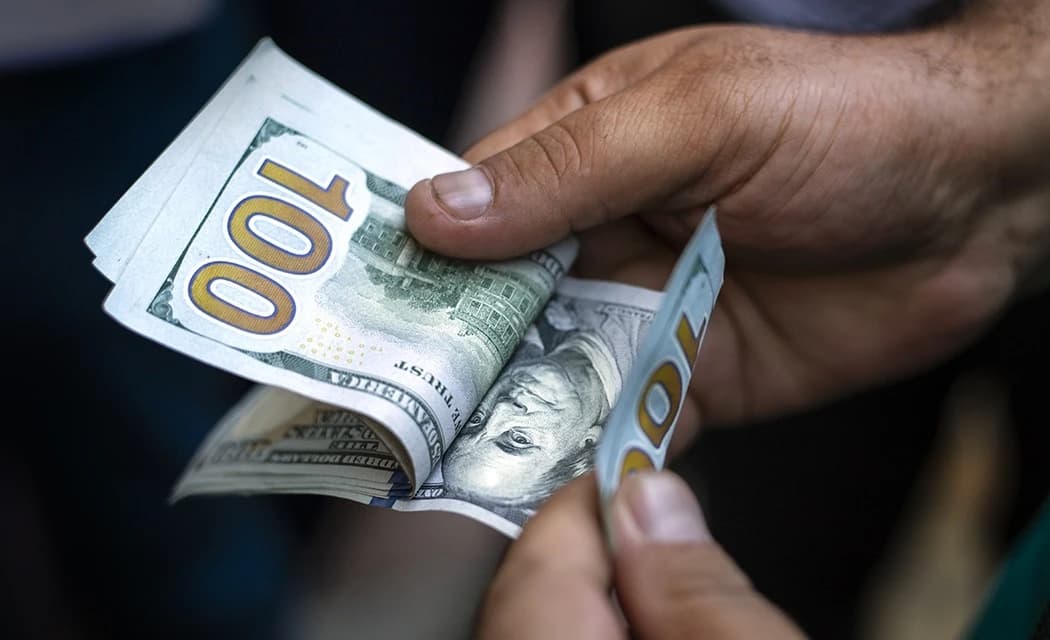
That matters because the greenback still sits at the center of global asset pricing. A stronger dollar tightens financial conditions, pressures emerging markets and weighs on commodities and multinational earnings; a weaker one eases those pressures and tends to support risk assets. For Vietnamese savers and traders, the question is more immediate: whether to buy dollars now or wait for a better entry point.
Sentiment Indicators

The immediate signal from markets is one of consolidation rather than conviction. The U.S. dollar index, which measures the currency against six major peers, ended the week down 0.08% at 101.75 as investors balanced U.S.-Iran tensions, technology-sector volatility and uncertainty over the Fed’s next move. Oil prices and long-dated Treasury yields fell early in the week, which typically dents the dollar, but the prospect of energy disruptions and renewed inflation kept the policy outlook unsettled.
In domestic trading, that global hesitation translated into a flat local market. Vietnam’s central bank kept the reference rate unchanged at 25,627 dong per dollar, while commercial banks including Vietcombank, VietinBank and BIDV left quotes broadly steady around 25,475-26,020 dong. The unofficial market was also unchanged, indicating that local supply and demand are still anchoring the currency more than the latest move in the dollar index.
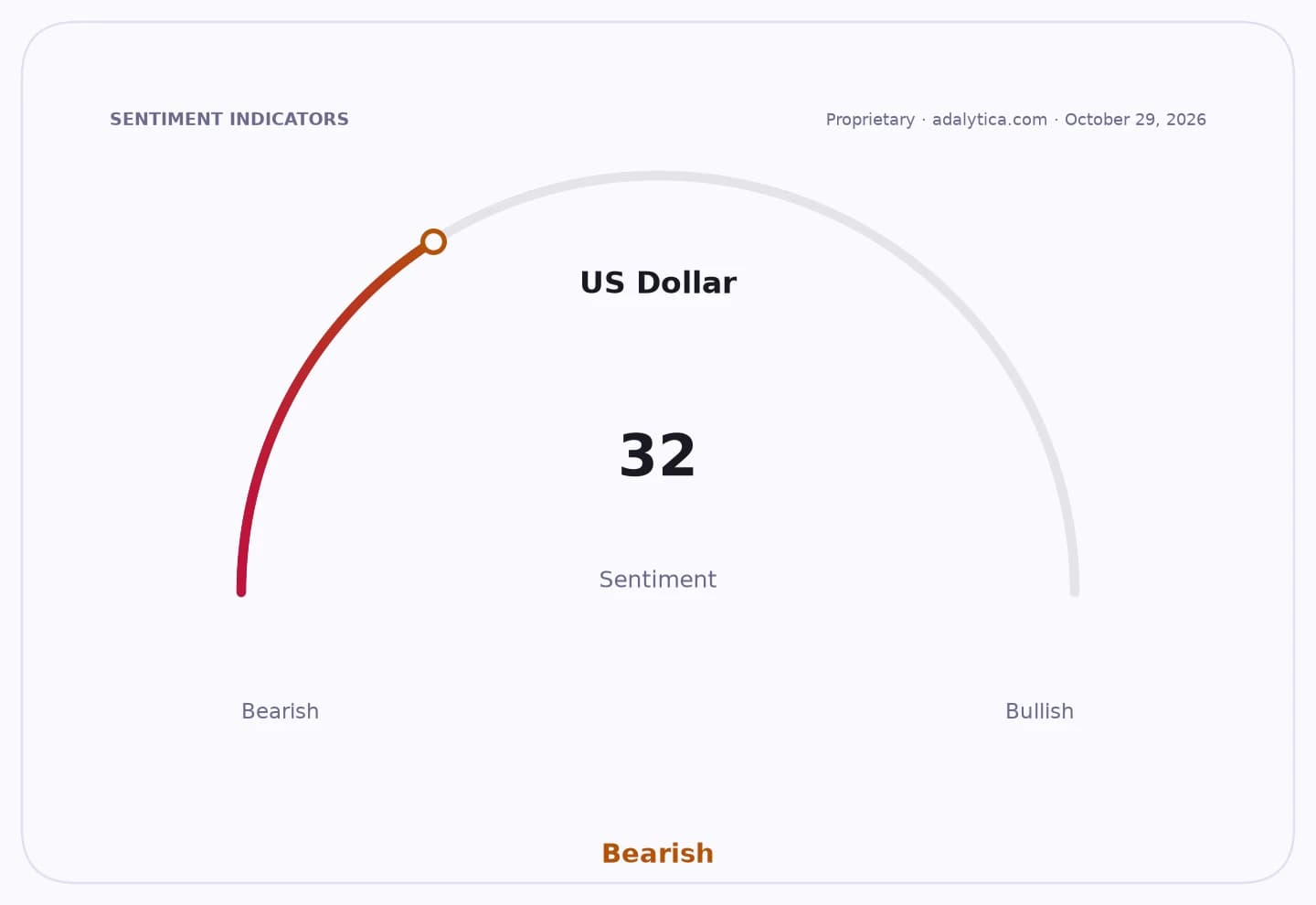
US Dollar — 30-day sentimentadalytica.com
Explore this data interactively — full history, time series and cross-market comparisons.

For investors, the setup is less attractive than it may look at first glance. The dollar’s pause does not automatically create a buying opportunity, especially when the spread between buy and sell prices can quickly erase gains if the currency fails to extend higher. The strongest case for holding dollars is defensive: anyone needing foreign currency for tuition, travel or payments can reduce timing risk by buying in tranches. The weaker case is speculative: without a clear catalyst, a near-term rally may be limited and returns could be compressed by flat domestic pricing.
Markets are also sending mixed signals beneath the surface. The U.S. dollar has been supported by demand for safe havens amid geopolitical tension, while the yen has found support from that same risk aversion and expectations of higher Japanese rates. The euro, meanwhile, remains pressured by political and fiscal strains in France. That split suggests the dollar is not weakening because confidence in the U.S. economy has collapsed; rather, it is caught between competing forces, with the Fed meeting likely to determine which one wins.
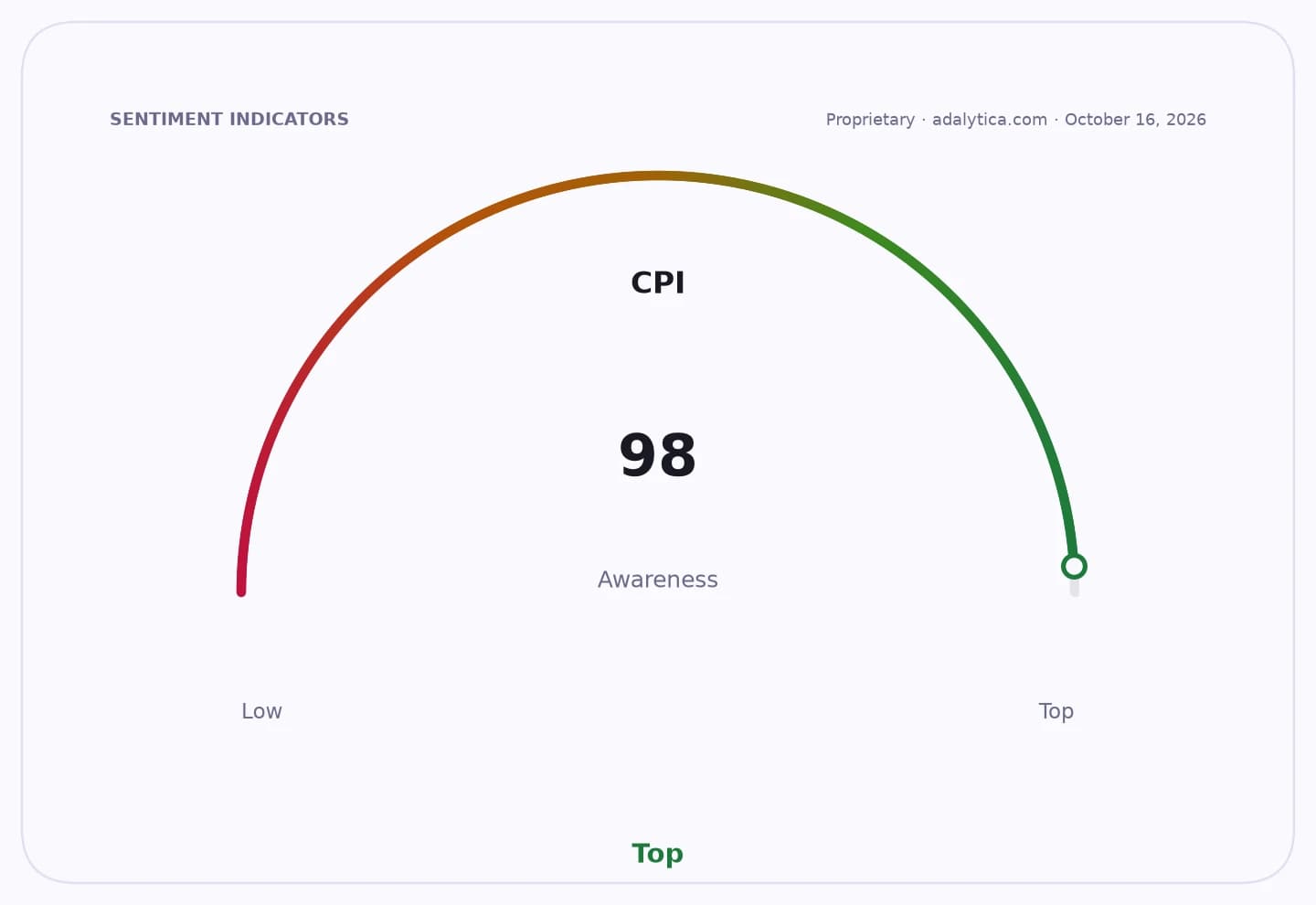
Technical positioning reinforces that view. The dollar-tracking UUP fund has been drifting below recent highs, with its 50-day moving average still above spot and RSI readings easing back from overbought levels earlier in the month. FX volatility, according to Adalytica’s trade signals, remains in a fear regime, while dollar sentiment has fallen sharply in the latest snapshot even as awareness of the trade remains elevated. That combination points to a market that is watching the dollar closely but is not yet committed to a one-way move.
The economic narrative is straightforward: the dollar has leveled off because the market is waiting for policy clarity, not because the macro backdrop has resolved. If the Fed surprises on the hawkish side or energy prices spike again, the dollar could regain traction. If policymakers lean toward caution and yields keep softening, the currency may continue to drift.
For now, the better strategy for most buyers is patience and discipline rather than chasing the market. For investors looking at USD as a trade, the case depends less on the current stall and more on whether the next Fed signal re-ignites the dollar’s yield advantage.
| Entity | Gains | Losses |
|---|---|---|
| Dollar buyers for payments | ▲Reduced timing risk | ▼Missed upside if USD rises |
| Dollar speculators | ▲Potential rebound after Fed | ▼Flat pricing, thin upside |
| Vietnamese importers/travelers | ▲Stable FX costs | ▼None if rates rise later |
| Exporters holding USD receipts | ▲More certainty | ▼Lower windfall from sharp FX gains |