Vietnam’s best inflation defense right now is not a flashy stimulus plan — it is keeping gold calm, gasoline contained and electricity prices unchanged.
Vietnam Inflation Focuses on Gold, Fuel and Electricity
That is the core message from economist and National Assembly lawmaker Trần Hoàng Ngân, who argues that macro stability depends on preventing a fresh round of imported inflation just as global energy costs and interest rates remain elevated. For investors, that matters because inflation is the difference between a manageable cost environment and a cycle where borrowing costs, margins and consumer demand all get squeezed at once.
Ngân’s warning is simple: if the dong comes under pressure while oil prices rise, Vietnam can quickly slip into the kind of “cost-push” inflation that punished the economy in 2008 and 2011. He points out that with U.S. inflation still at 3.4% and Europe at 3.8%, major central banks have been forced to keep rates high. In that setting, Vietnam — still dependent on imported fuel and raw materials priced in dollars — needs a much steadier exchange rate to avoid passing global shocks straight through to domestic prices.
The economy already knows how quickly that spiral can turn dangerous. In 2008, a jump in fuel prices and a weaker currency helped push inflation to 20%, while lending rates shot above 20% and choked business activity. Ngân says the lesson remains valid: control the exchange rate first, and you reduce the odds of both higher inflation and higher interest rates.
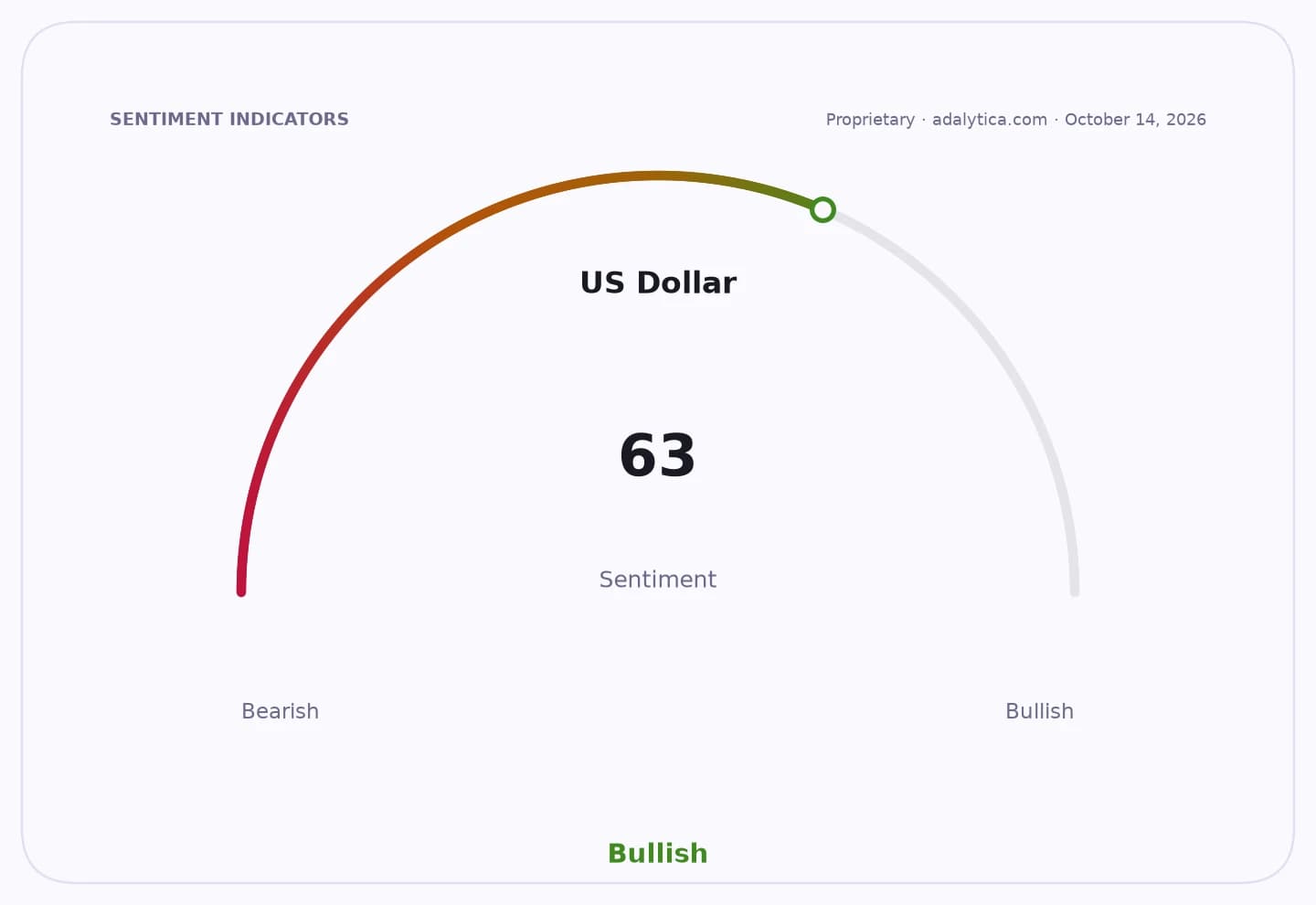
That is why the gold market matters more than it might appear. When gold gets volatile, households and traders often rush into dollars, adding pressure to the foreign-exchange market. Ngân says authorities have helped calm that channel by cracking down on gold smuggling and “gold hoarding,” which in turn has reduced dollar demand and supported currency stability. In his view, a quiet gold market is not just a financial-market issue — it is part of the inflation firewall.
The same logic applies to electricity and gasoline. Ngân says the government should send a clear signal that electricity prices will not rise through year-end and that fuel should be held down through taxes, including possibly lower special consumption tax. That matters because energy is the input cost that filters into nearly everything else. When fuel and power are stable, businesses have less reason to raise prices preemptively, and households keep more spending power.
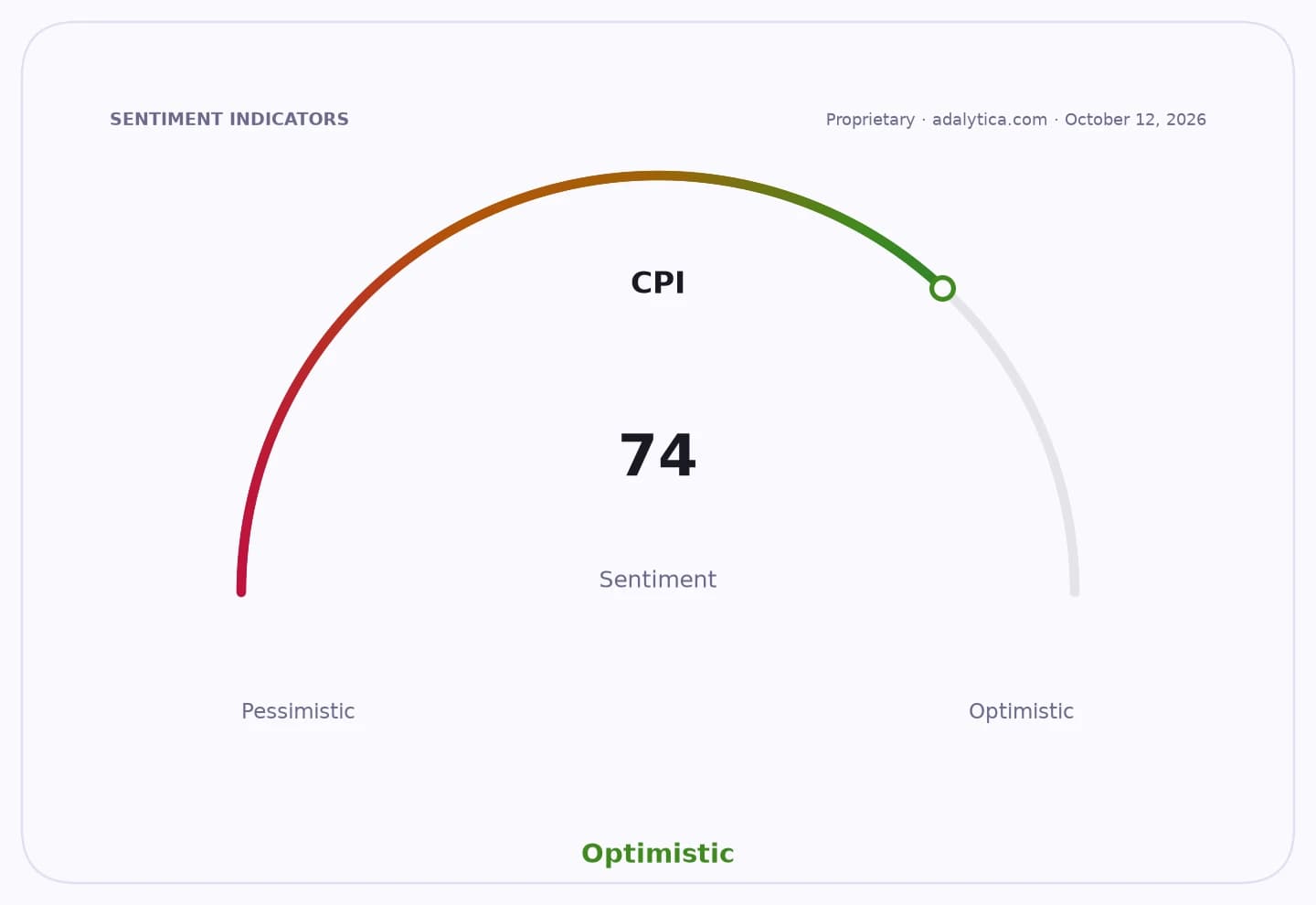
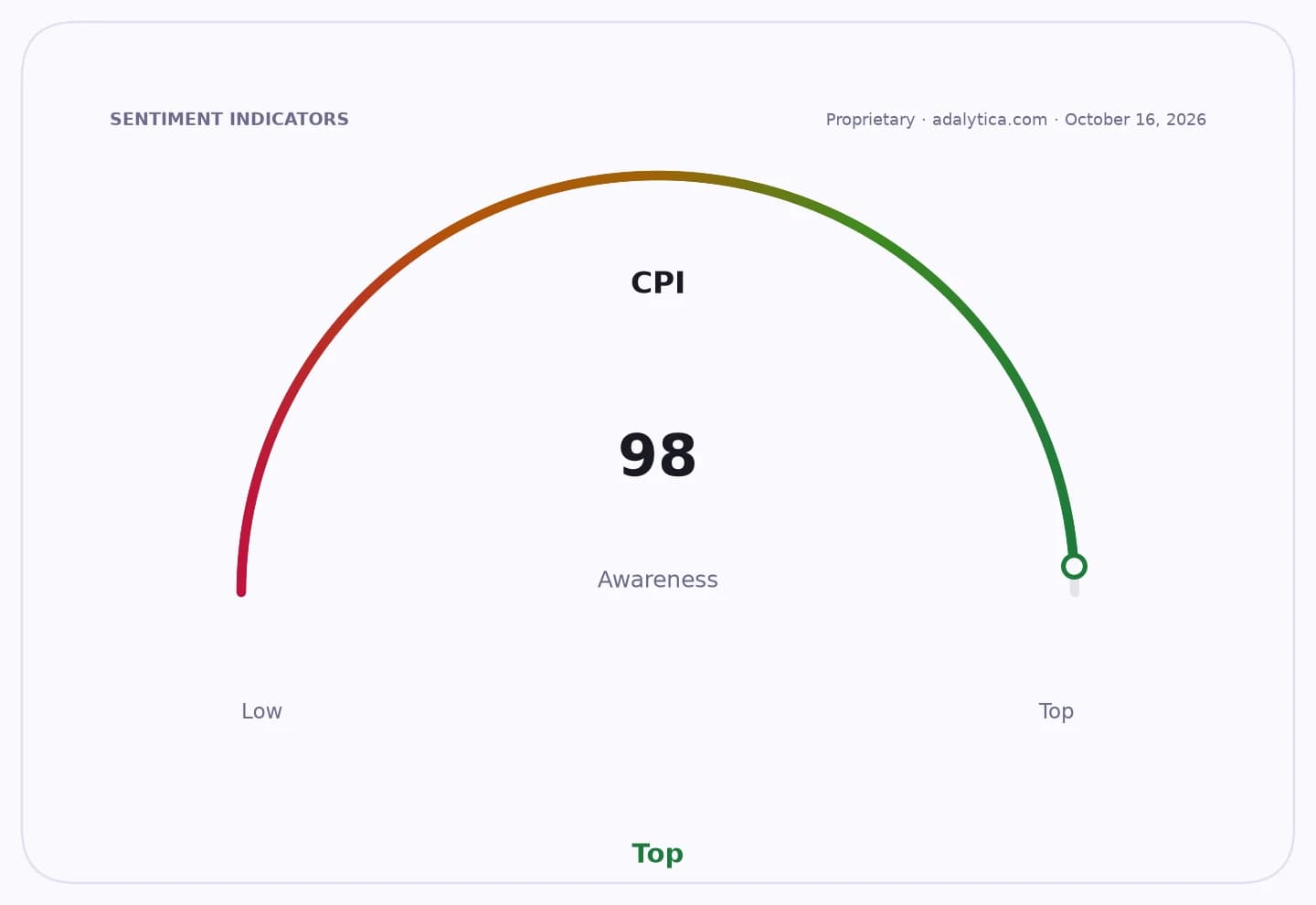
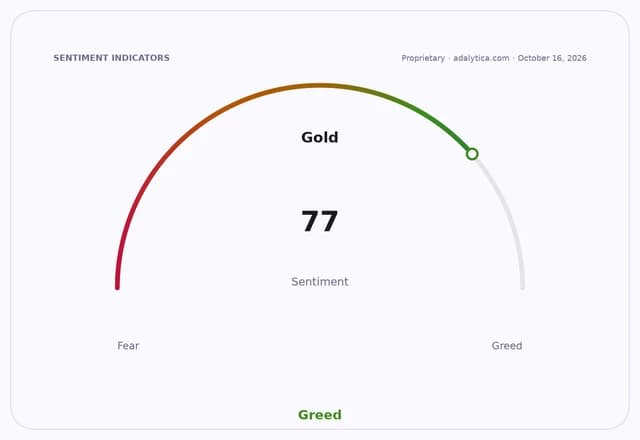
Recent price data underline the stakes. U.S. crude has rebounded to about $102.53 a barrel in the latest forecast, from $85.23 at the end of September, while U.S. producer prices are projected to ease only slightly after a run higher. Gold has also been volatile: GLD, the SPDR Gold Trust, ended Oct. 16 at $382.01, below its 200-day moving average of $414.98, but still in a market where the broader gold complex has seen sharp swings. The Adalytica Gold Fear & Greed Index shows sentiment at 77, or “Greed,” even as awareness remains in “Extreme Fear,” a sign investors are still uneasy about the macro backdrop.
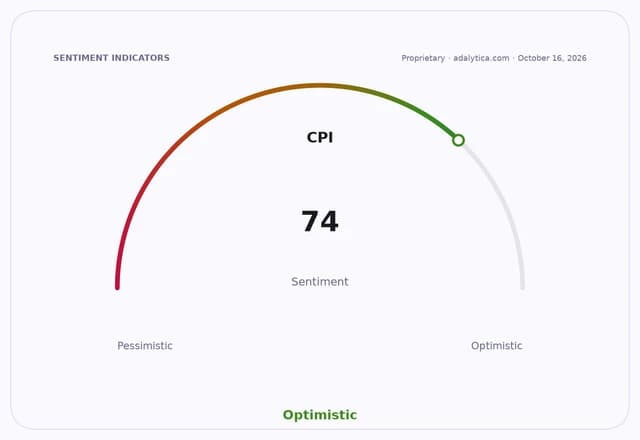
For Vietnam, the larger point is that inflation control is really a growth strategy. Trần says CPI at 4.52% is still tolerable, but only if policymakers keep the pressure off key inputs. If inflation stays contained, the State Bank can avoid tightening further, and that gives companies and consumers a better chance to plan, borrow and spend with confidence.
That is why the next phase of policy will matter just as much as the last one. Ngân wants rates to hold steady and then edge lower, supported by stronger capital buffers at state lenders, a deeper bond and equity market, and faster removal of frozen projects. Investors should read that as a long-duration story: the winners are businesses that benefit from stable rates, stable fuel and stable currency, while the losers are importers, leveraged borrowers and anyone betting on a disorderly rise in prices. For long-term investors, the message is worth watching — inflation stays the enemy of compounding, and stability remains the real catalyst.
| Entity | Gains | Losses |
|---|---|---|
| Consumers | ▲steadier purchasing power | ▼higher living costs |
| Businesses | ▲lower borrowing and input costs | ▼margin pressure from inflation |
| Vietnamese policymakers | ▲macro stability credibility | ▼policy room if prices re-accelerate |
| Importers and leveraged borrowers | ▲stronger planning environment | ▼currency and rate shocks |