Vietnam’s push to hit a 10% GDP growth target in 2026 is being tested by a very demanding fourth quarter, with policymakers saying the economy needs to expand 12.5% in the final three months while keeping inflation close to its 4.5% ceiling.
Vietnam GDP growth target depends on Q4 spending
2% Target Confidence
That trade-off matters because the government is trying to engineer a late-year acceleration without letting price pressures or weak execution undermine the recovery. The economy grew about 9.01% in the first nine months, but officials now need a sharp pickup in investment, exports and domestic demand to close the gap. At the same time, consumer prices are already running close to target, leaving little room for a growth-at-any-cost approach.
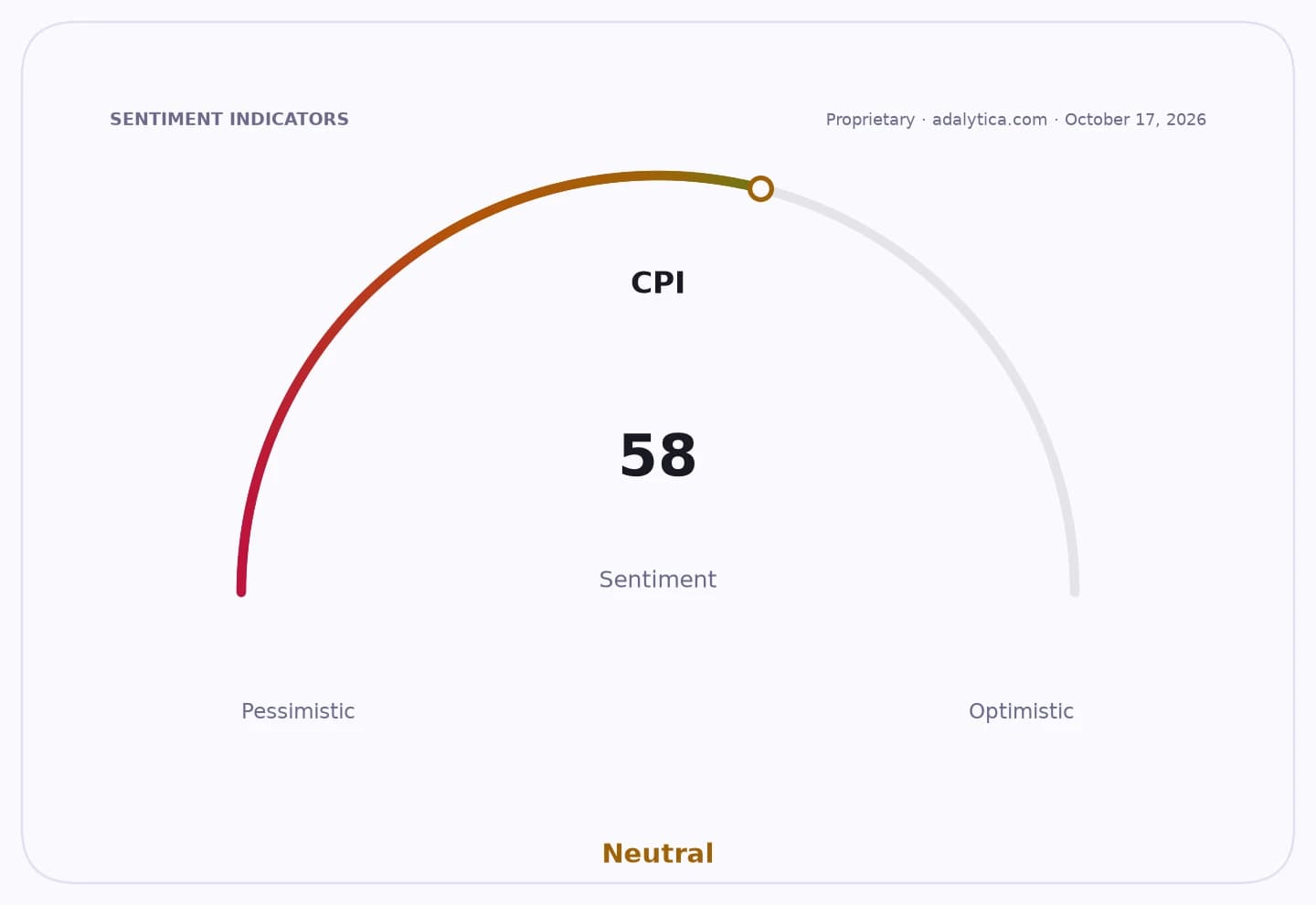
Sentiment Indicators
2% Target Confidence
Deputy Prime Minister Nguyen Van Thang told lawmakers on Oct. 31 that the government is clearing bottlenecks in land, regulation, materials, financing and markets to support businesses and projects. The most important lever is public investment. As of Oct. 29, disbursement of public capital had reached more than 720 trillion dong, or over 75% of plan, with the administration aiming for 100% by year-end.
If that target is met, public investment could add about 2.5 percentage points to fourth-quarter growth and about 1.7 percentage points to full-year expansion, according to the government’s figures. That is a large contribution for any economy and underscores why the pace of project approvals, land clearance and contractor execution has become central to Vietnam’s macro outlook.
The challenge is that money alone does not guarantee growth. Several ministries and localities are still lagging on disbursement, and projects continue to face delays in paperwork, site clearance, materials supply and implementation capacity. In other words, the constraint is now less about allocation and more about turning budgeted spending into roads, ports and other assets that feed through to output, jobs and related industries.
Inflation is the other brake. The government said average CPI in the first nine months rose 4.52%, already fractionally above the National Assembly’s roughly 4.5% policy target. That makes the remaining quarter a balancing act: support activity while limiting energy and input-cost pressures that could erode household purchasing power and squeeze corporate margins.
Officials have already leaned on fiscal relief, dedicating more than 64 trillion dong to tax and fee reductions on fuel from the start of the year, and they plan to spend another 4 trillion dong from November to reduce special consumption tax on gasoline to zero from 7%. Separately, the government has asked EVN to review costs and target a roughly 2% cut in retail power prices by March 31, 2027. These steps should ease costs for businesses and consumers, but they also highlight how dependent the growth strategy is on keeping administered prices contained.
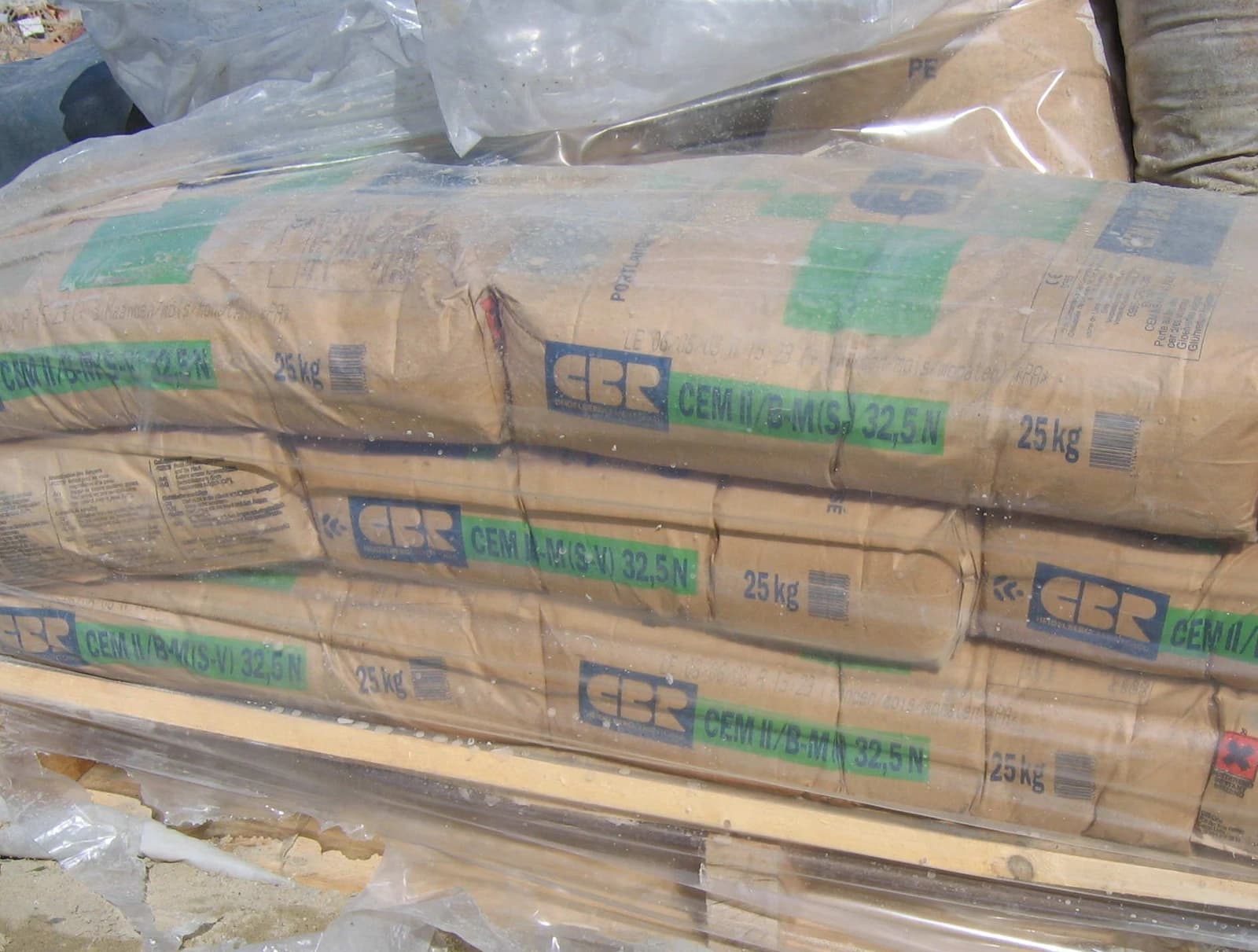
For investors, the story is less about one headline GDP number than about whether Vietnam can convert state spending into real economic activity without reigniting inflation. A successful disbursement push would support construction, materials, logistics and industrial output, and would reinforce confidence in the government’s ability to manage a high-growth cycle. Failure to execute, by contrast, would leave the economy exposed to slower momentum just as external demand is under pressure from trade policy shifts and geopolitical energy shocks.
The bottom line is that fourth-quarter growth has become a test of policy transmission: can Vietnam spend fast enough to lift output, but not so loosely that it loses control of prices? The answer will determine not only whether the 2026 target stays alive, but also how credible the country’s growth model looks to domestic and foreign investors going into next year.
| Entity | Gains | Losses |
|---|---|---|
| Public investment projects | ▲Faster funding flow | ▼Delay and bottlenecks |
| Construction/materials firms | ▲More project demand | ▼Slower disbursement |
| Consumers | ▲Lower fuel/power costs | ▼Inflation pressure |
| Government | ▲Higher growth odds | ▼Credibility risk if execution fails |