Vietnam’s prime minister has ordered 14 provinces and cities to keep inflation from rising in the final months of the year, a sign Hanoi is moving aggressively to protect its 2026 CPI target as food, fuel and transport costs threaten to build into a broader price problem.
Vietnam orders provinces to curb inflation
That matters because price stability is the backbone of Vietnam’s macro story: it supports household purchasing power, keeps borrowing costs lower for companies and gives policymakers room to sustain growth without forcing an abrupt policy squeeze. With the government targeting average CPI growth of about 4.5% in 2026, the message is clear — local officials are now being enlisted to stop seasonal demand from turning into a nationwide inflationary wave.
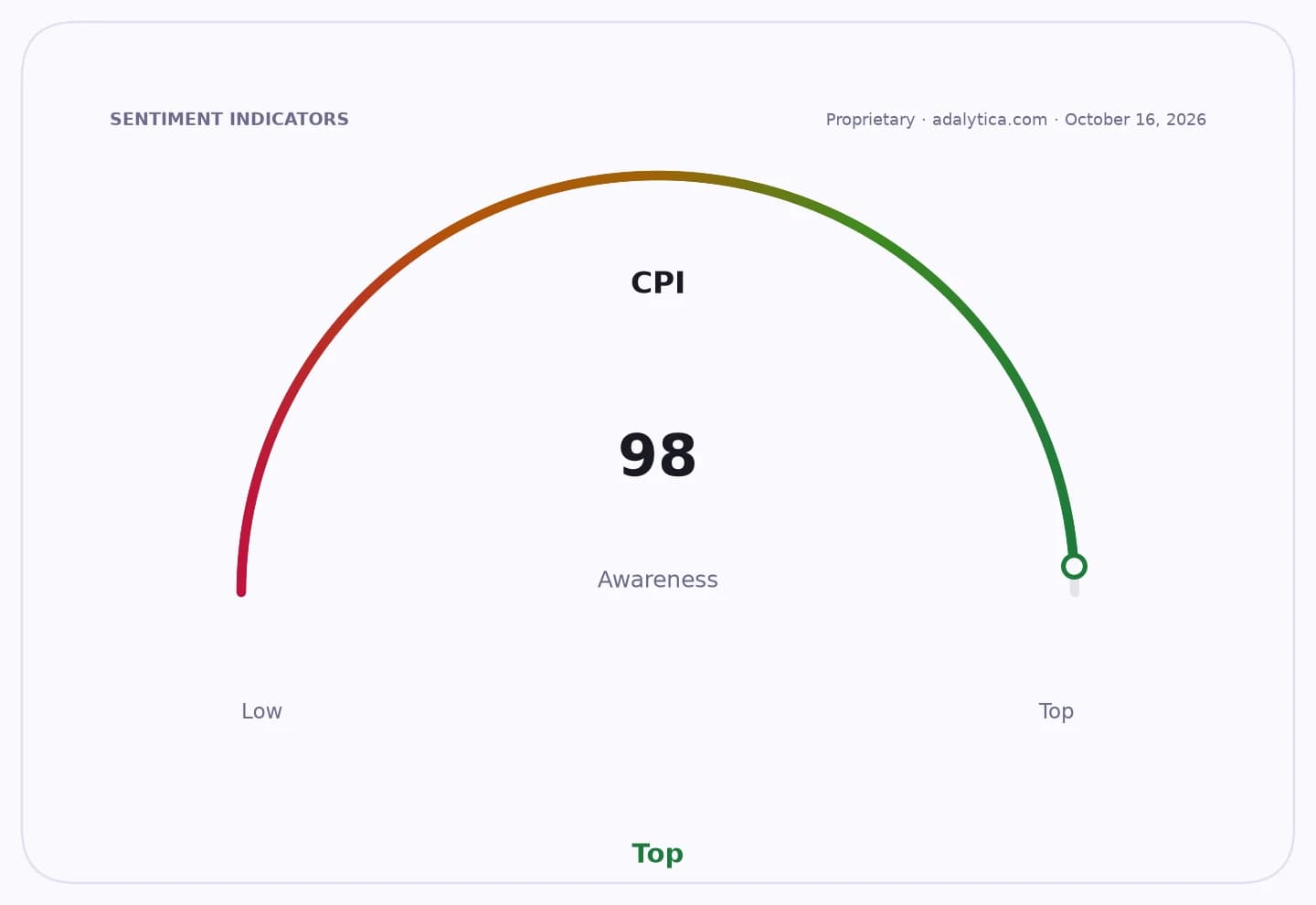
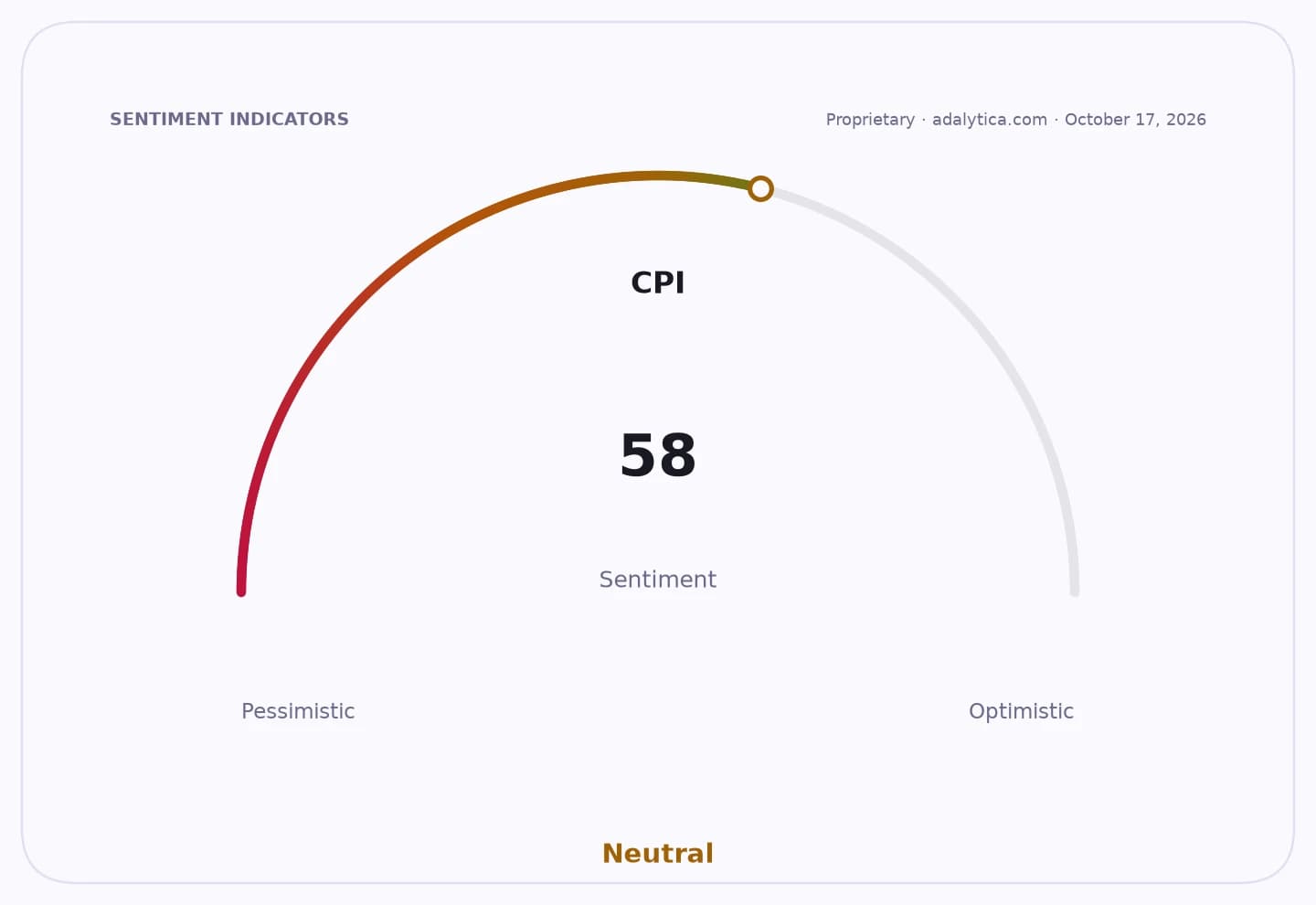
Sentiment IndicatorsⓘProprietary · adalytica.com · October 17, 2026
This is a snapshot — live sentiment, awareness and momentum for 130+ markets update continuously in the dashboard.Open AlphaPulse
The directive, issued by Deputy Prime Minister Nguyen Van Thang on Oct. 15, tells ministries and local governments to track price trends closely and act early on the goods and services most likely to move the index. The government specifically flagged gasoline, energy, food, raw materials, construction inputs and other essentials as sources of pressure, alongside potential supply disruptions and higher freight costs from an uncertain global backdrop.
The most notable part of the order is the focus on 14 localities whose nine-month average CPI rose faster than the national average, including Hanoi and Ho Chi Minh City, as well as several fast-growing provinces such as Da Nang, Khanh Hoa and Gia Lai. Those are not just administrative datapoints; they are some of the country’s key consumption and logistics centers, which means local price management there can ripple through demand, retail margins and business operating costs.
For investors, the policy signals two things. First, Vietnam is trying to preserve macro credibility at a time when inflation psychology can shift quickly, especially into year-end holiday and Tet-related spending. Second, the government appears intent on avoiding synchronized price adjustments that could lift the CPI all at once, which should help cap volatility in consumer-facing sectors, utilities and regulated services.
The inflation backdrop is not yet alarming, but it is enough to justify the caution. Recent U.S. inflation data and global policy debate have kept attention fixed on whether price pressures are easing or merely pausing, and Vietnam is behaving like an economy that does not want to test that question. In the latest monthly readings in the data provided, headline CPI has risen through September, while core inflation has also edged higher, underscoring why policymakers are tightening the screws now rather than later.
The investment implication is straightforward: the market should watch for winners in the companies and sectors that benefit from a stable price regime — consumer staples, logistics, and businesses with pricing discipline — while remaining wary of any regulated or input-sensitive sectors that could face tighter administrative oversight. If Hanoi succeeds, it buys itself growth optionality. If it fails, inflation could force a harder policy response and squeeze margins across the economy.
For now, the key takeaway is that Vietnam is treating inflation control as an economic priority, not a technical one. That usually means policymakers see enough pressure ahead to act early, and in markets, early action is often the best signal that price discipline is becoming the next major macro catalyst.
| Entity | Gains | Losses |
|---|---|---|
| Vietnam government | ▲CPI credibility | ▼Policy flexibility |
| Consumers | ▲Stable purchasing power | ▼Less upside from wage-price gains |
| Consumer staples firms | ▲Steadier demand | ▼Weaker pricing power |
| Regulated sectors | ▲Predictable tariff path | ▼Delayed price hikes |